

Tractors, horses, the odd peacock, that’s what the back road from Harpenden to Hatfield offers. It’s exactly the kind of ride the Enfield’s built for. I was heading for Sustain Coffee Co in Hatfield. Rolling countryside the whole way, the kind of route where you’re happy to slow down and give way.
I came into Old Hatfield first, taking a small detour to have a look around before heading to Sustain. Hatfield House is the obvious draw here, a Jacobean mansion completed in 1611 for Robert Cecil, chief minister to James I. It stands on the site of an older Tudor palace where a young Princess Elizabeth, the future Elizabeth I, spent much of her childhood. It’s still the Cecil family’s home today, over four hundred years later. Worth a visit in its own right another time. Today I was here for something else entirely: coffee, and the people behind it at Sustain Coffee Co.
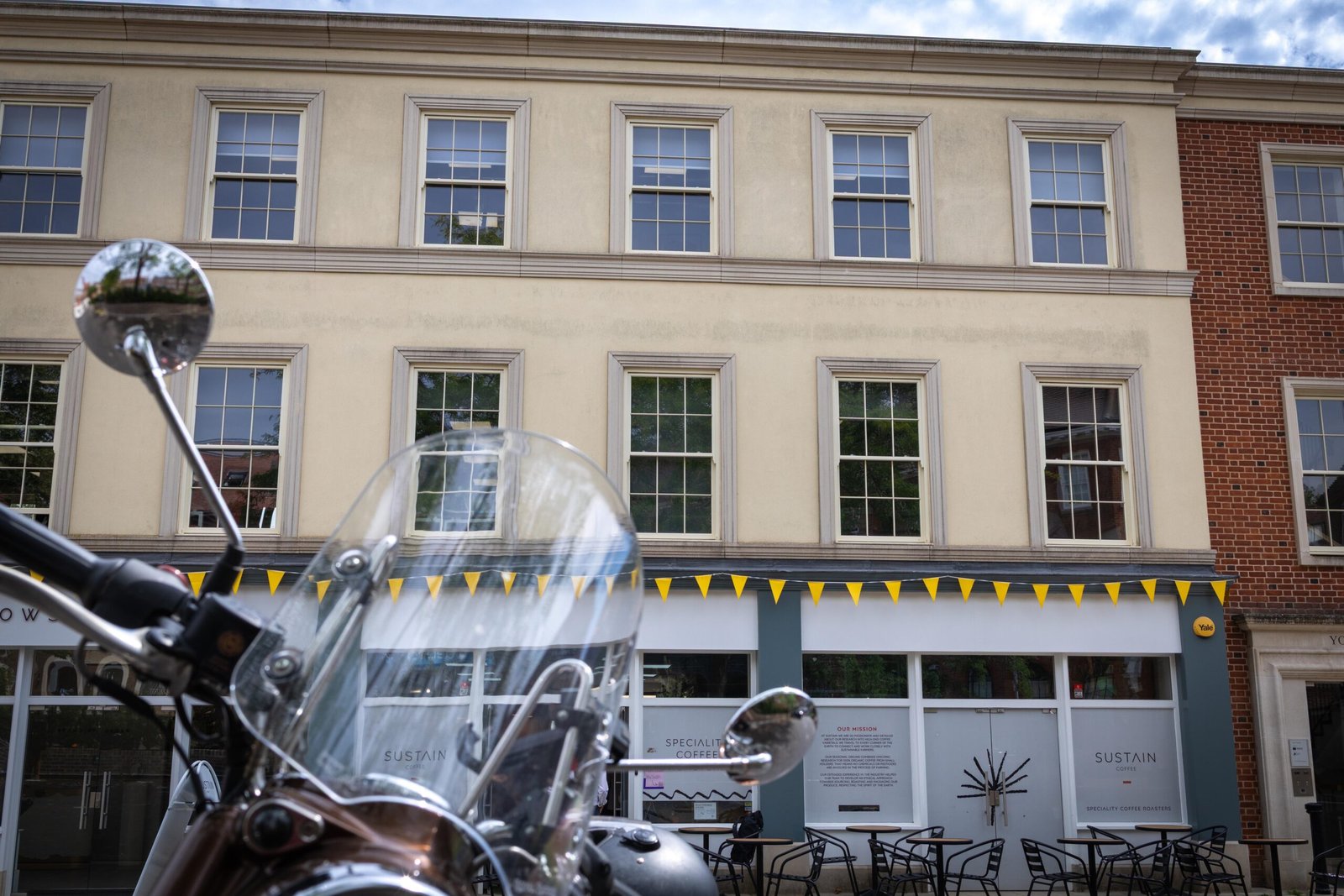
Arriving at Sustain Coffee Co in Hatfield
Riding into Salisbury Square, I parked up in one of the bays and got two hours free, right outside the shop. The whole square looks brand new, and it turns out that’s because it practically is. Amber joined Sustain in summer 2025 and handles most of the shop’s emails, subscriptions, and copy alongside some of the roasting and packaging. Amber told me the square had only recently finished a full redesign. Lorries and noise have given way to a wide, green, open space with electric car charging points, outdoor seating, and a relaxed feel. It is all just steps from Hatfield train station. They’re open 9am to 4pm Monday to Friday, and 9am to 1pm on weekends.
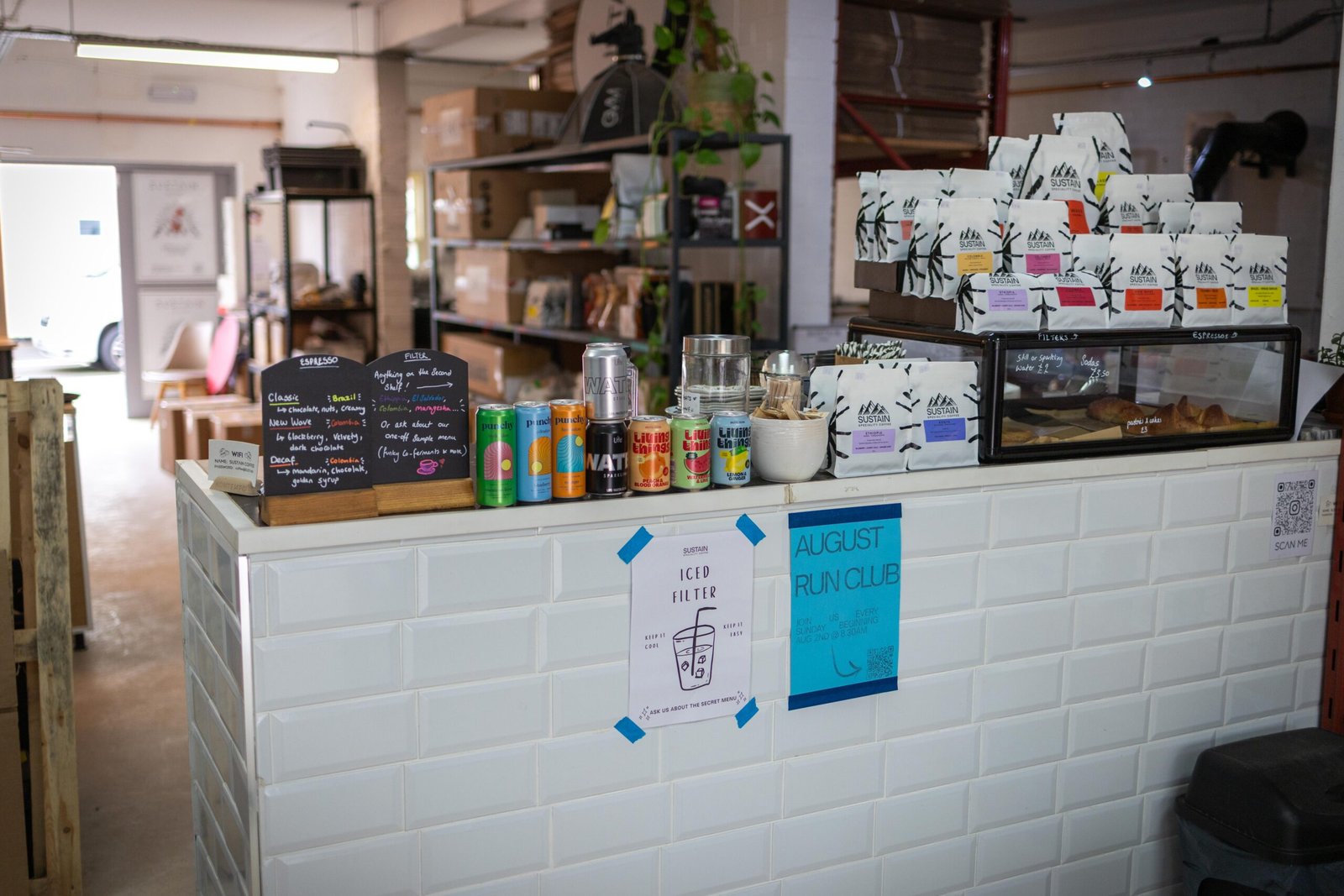
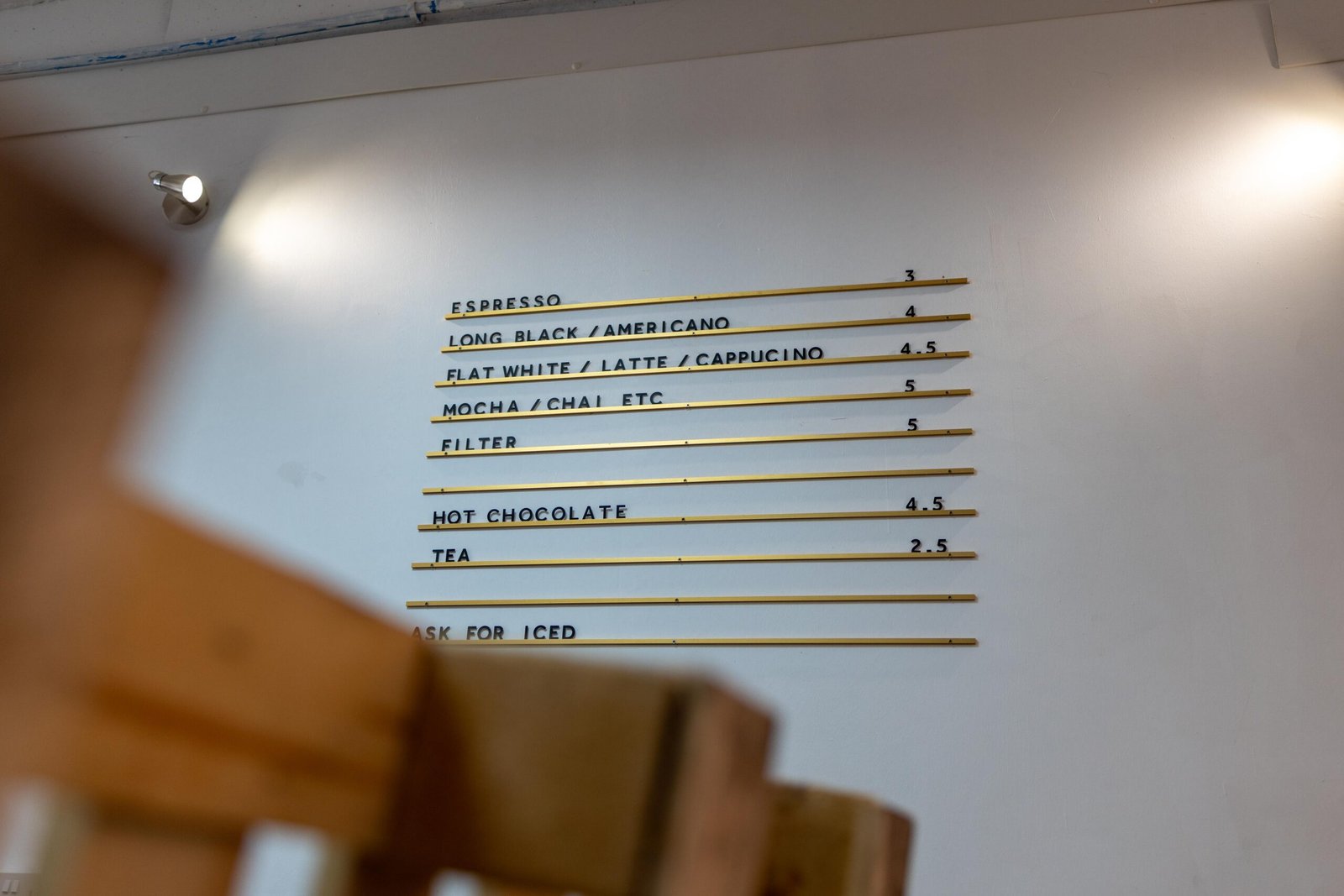
Inside Sustain Coffee Co
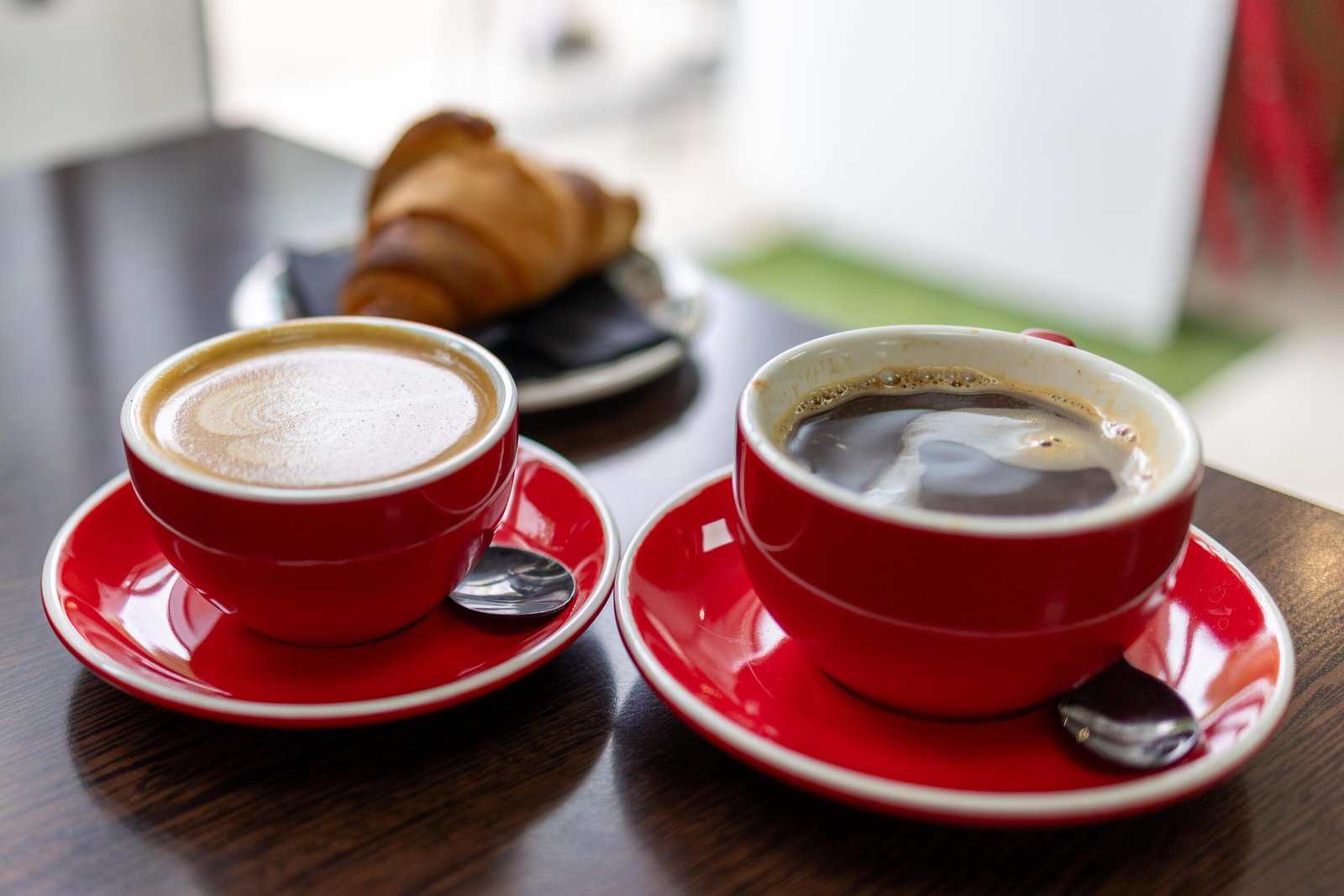
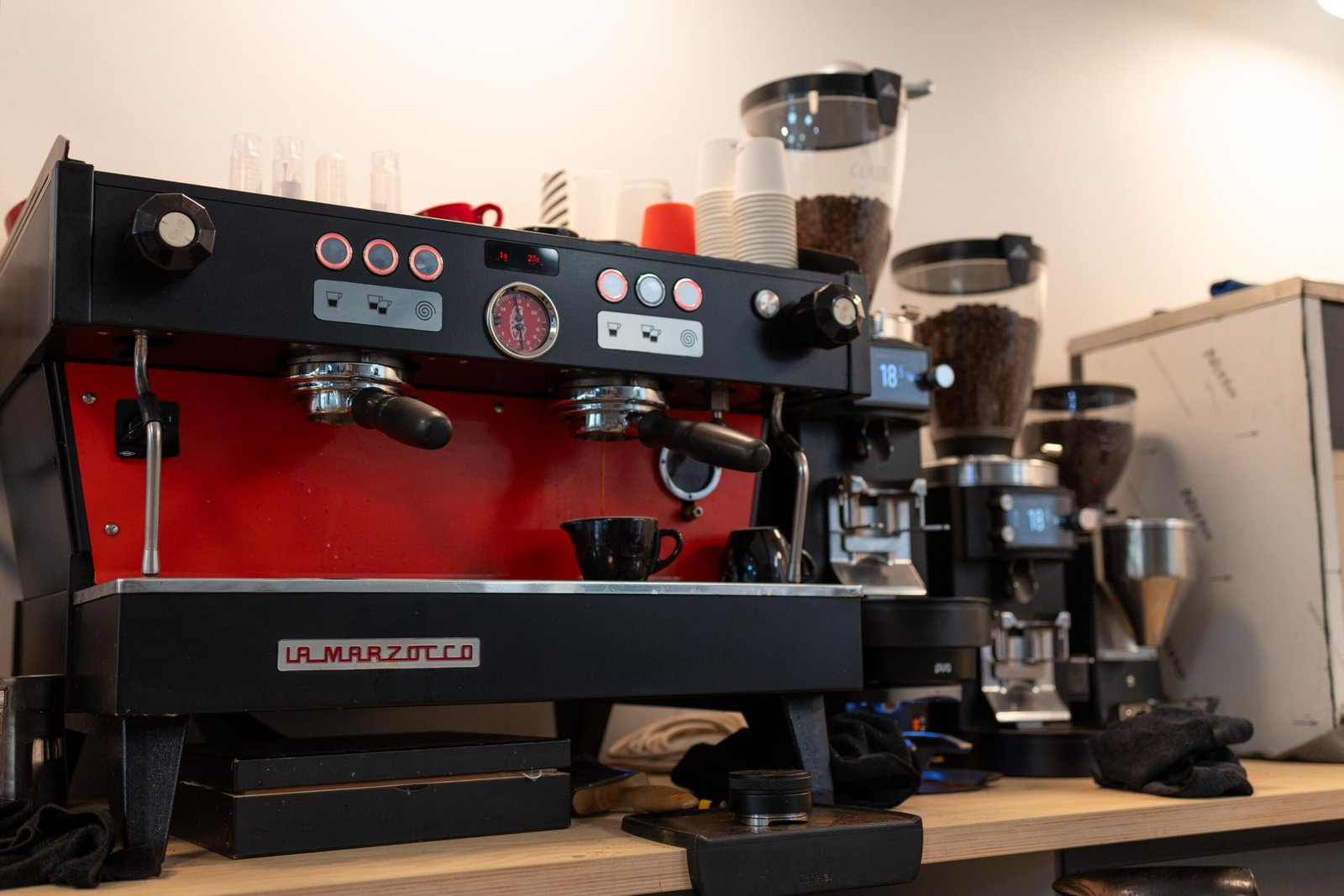
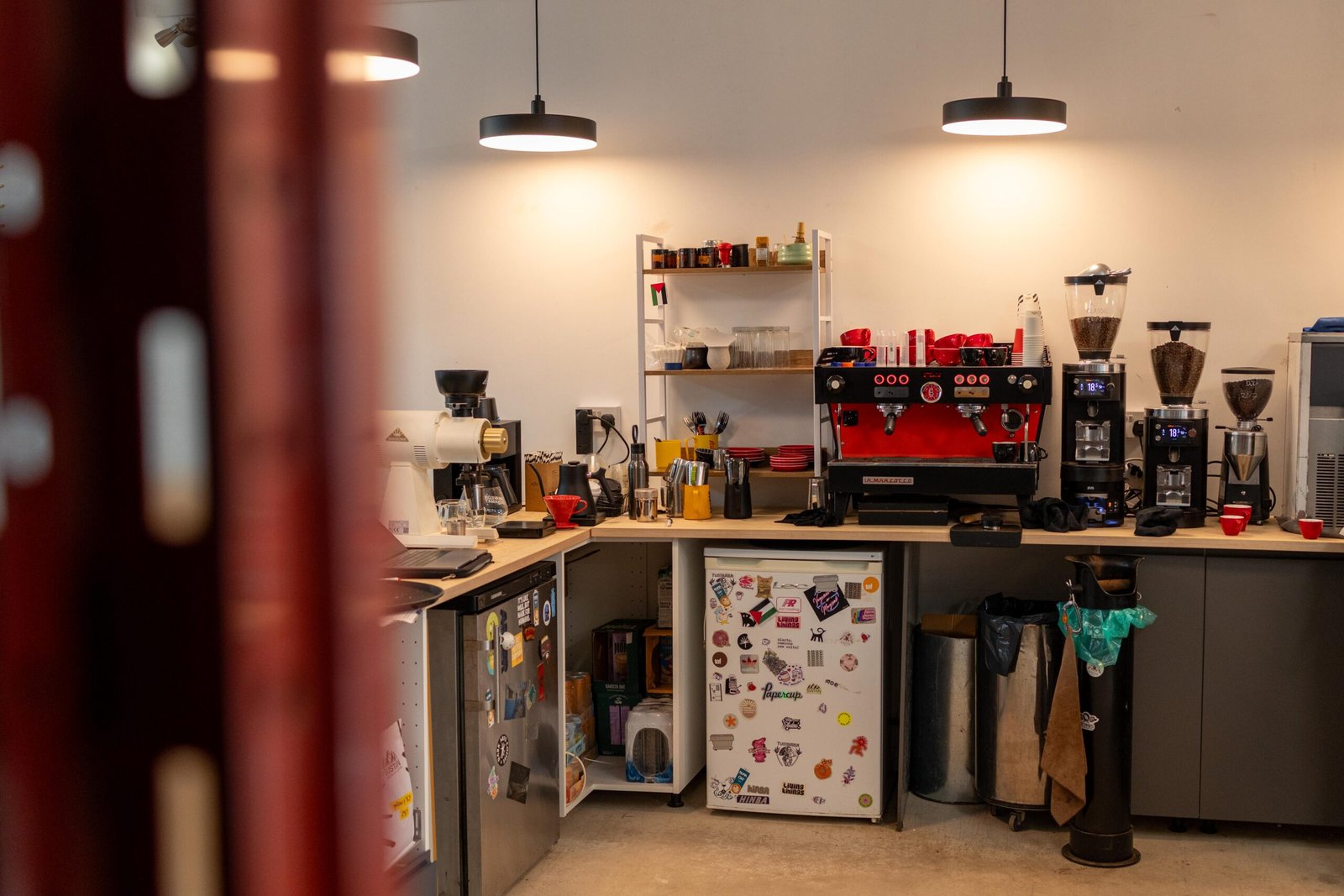
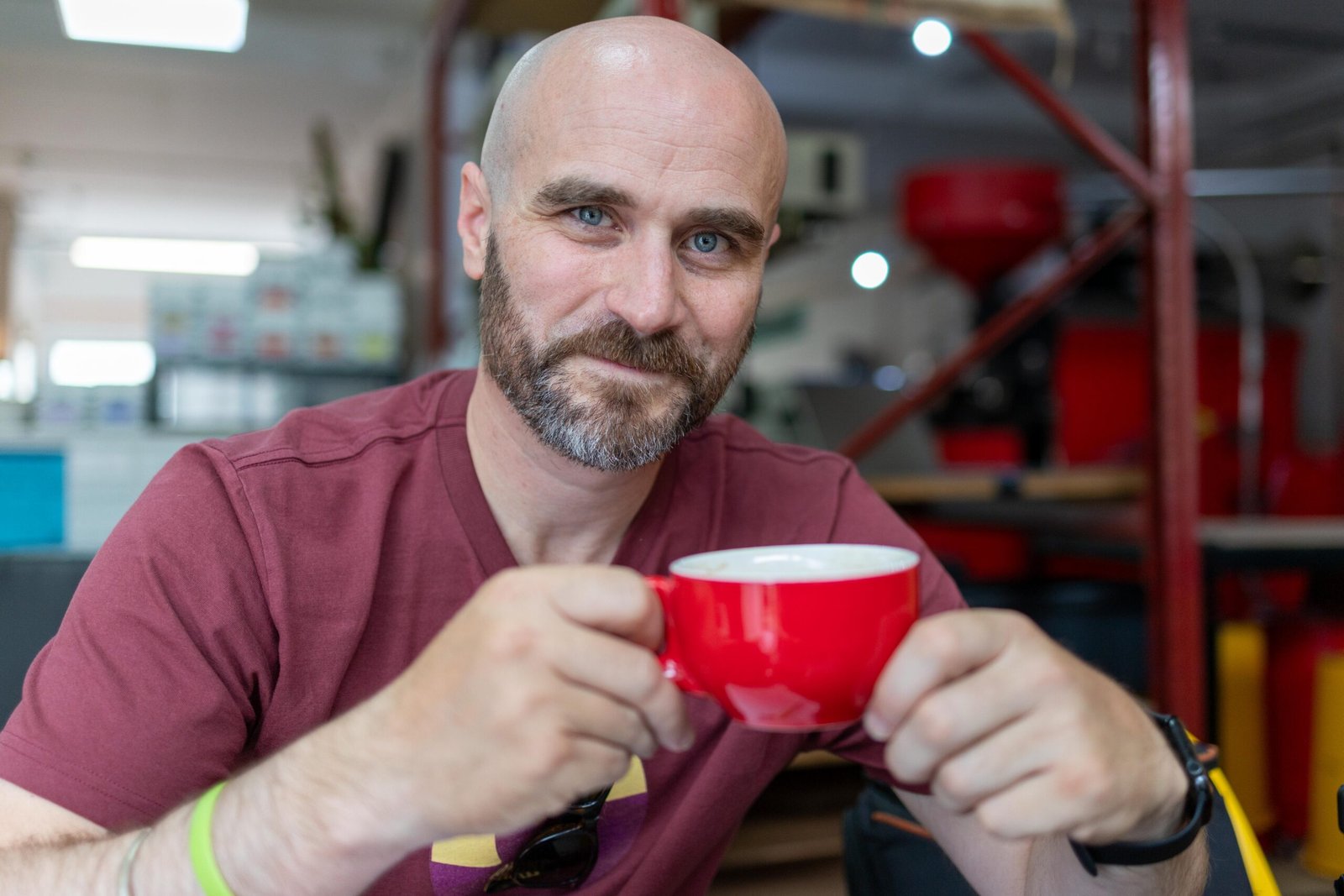
Inside, I met Conor, who made my Americano and oat milk latte. He joined the team recently as café lead. It’s his job to make sure the coffee served in-house is the best it can be, alongside developing the café setup itself. The good chance is, if you’re getting a flat white here, it’s Conor pulling it. He’s also in the middle of updating the shop’s interior. Right now there’s a warehouse feel to the place, exposed and unpolished in a way that’s clearly part of the charm. But there was evidence everywhere of changes coming, and Conor was very much on the case.
Just inside the door is a bay of coffee machines, some used for events like the ones coming up in Brighton and Manchester. Others are part of Sustain’s equipment solutions offering. They’ll work directly with businesses on their setup if you get in touch. Sustain will be showcasing at Brighton Coffee Festival this August, and at the Manchester Coffee Festival in November. That is the north’s biggest coffee event, now in its second decade.
How It Started
Sustain’s founder Mo had already spent around fifteen years in coffee before starting the business, most of it working for a commercial coffee company. At some point, that stopped being enough. He took himself off to a coffee farm in Costa Rica. It wasn’t a holiday exactly, more a trip to rediscover why he’d got into coffee in the first place. Something about the landscape and the people actually growing the stuff reset things for him. Sustain, a small, deliberately independent specialty roastery, came out the other side of that trip.
One thing worth correcting before it becomes a running myth: Sustain isn’t fully vegan any more, despite how it’s sometimes still described. It was, in the early days, a direct reflection of Mo’s own diet and values. But demand shifted that. “We’ve moved into offering non-vegan options as well because of demand, really, a lot of people wanted the option of dairy too.” Vegan options are still very much there, plant-based milks, vegan food. But it now sits alongside everything else rather than being the only choice on the menu.
Sourcing, Transparency, and What “Direct Trade” Actually Means
Ask most specialty roasters about direct trade and you’ll get a confident, slightly vague answer. Sustain’s version is more honest than most: true direct trade, farmer straight to roaster with nothing in between, is truly rare. In some countries it is close to impossible.
Take Ethiopia. There are really only three routes green coffee can take out of the country: sold privately by a farmer, through a co-operative or private processing station, or via the Ethiopian Commodity Exchange. That last one is notorious for offering almost no traceability at all once coffee passes through it. Buying only from private farmers sounds pure in theory, but it quietly favours the wealthiest growers. Most Ethiopian coffee comes from smallholders with a handful of trees who rely on shared co-ops and processing stations to get their beans to market at all.
So Sustain’s actual working definition of direct trade is really about transparency rather than purity. It means knowing where a coffee came from, what the farmer was actually paid for it, and who exported it. Where they can’t get that directly, they go through importers who meet the same standard. They name Cata, Falcon, and Covoya specifically as partners who go directly to farms themselves rather than buying blind through layers of middlemen. As they put it, “it’s a lack of transparency that allows exploitation in the coffee industry to thrive.”
Relationships With Farmers
The relationships this builds vary a lot in practice. Some are truly personal. Mo keeps up his relationship with Gerado Arias, the farmer he originally visited before starting Sustain. That happens through visits and regular email, and he always tries his most recent harvest as it comes in. Others start more by chance. This year’s London Coffee Festival brought a wave of new contacts, particularly a strong showing of Rwandan producers offering samples on the spot.
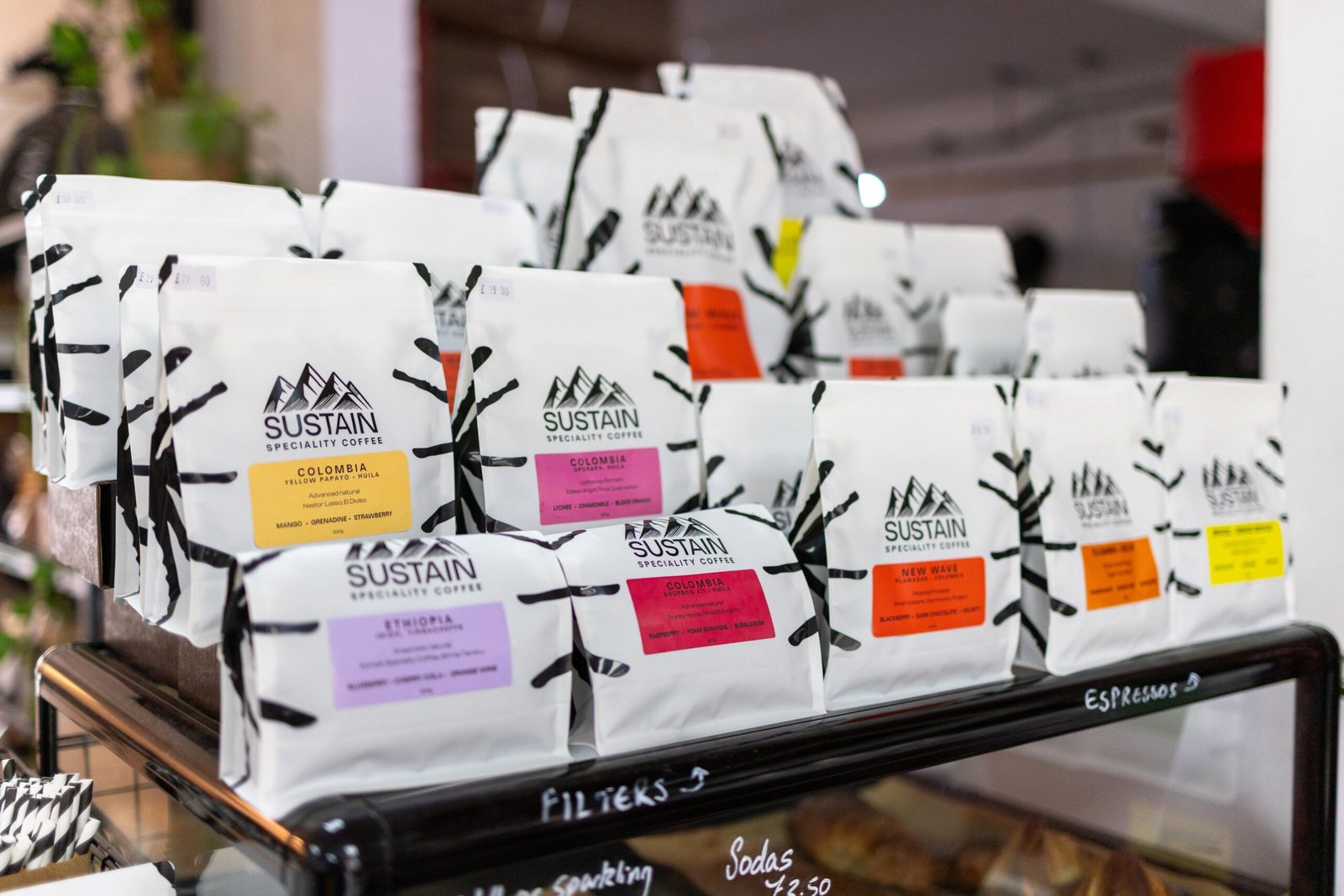
Millie joined Sustain in early 2025 and now handles most of the coffee sourcing and roasting herself. There’s a decent chance the bag in your cupboard was roasted by her directly. While she was preparing a roast, she told me about a trip to Mexico at the start of this year. It was five days around San Cristóbal de las Casas in Chiapas, organised through one of Sustain’s green coffee suppliers. She met a farm owner who ran her own processing station as well as her own land. She opened it up to smallholders from the surrounding area too, tens of families, by Millie’s count, using her drying station alongside her own produce.
Nearly everything grown there was fully organic too, “they don’t use any pesticides or herbicides, they have completely organic processes.” Millie found it truly striking to see up close.
Her real takeaway wasn’t really about the coffee at all. It’s easy to think of buying from smallholder farmers as simply helping someone out, she said. Standing on that land made it obvious how knowledgeable and truly curious the farmers themselves were, eager to learn more, not just grateful for the income. A more empowering side of coffee than the one usually told.
Roasting and Serving at Sustain Coffee Co
Sustain started life as a roastery first. The café came after, which is part of why the roasting happens in full view of anyone sitting down for a coffee. It wasn’t originally a branding decision so much as just how the space had to work. But it’s stuck, deliberately, even as the business has rebalanced toward giving the café side equal weight. That includes hiring a dedicated café manager to run it alongside the roasting operation.
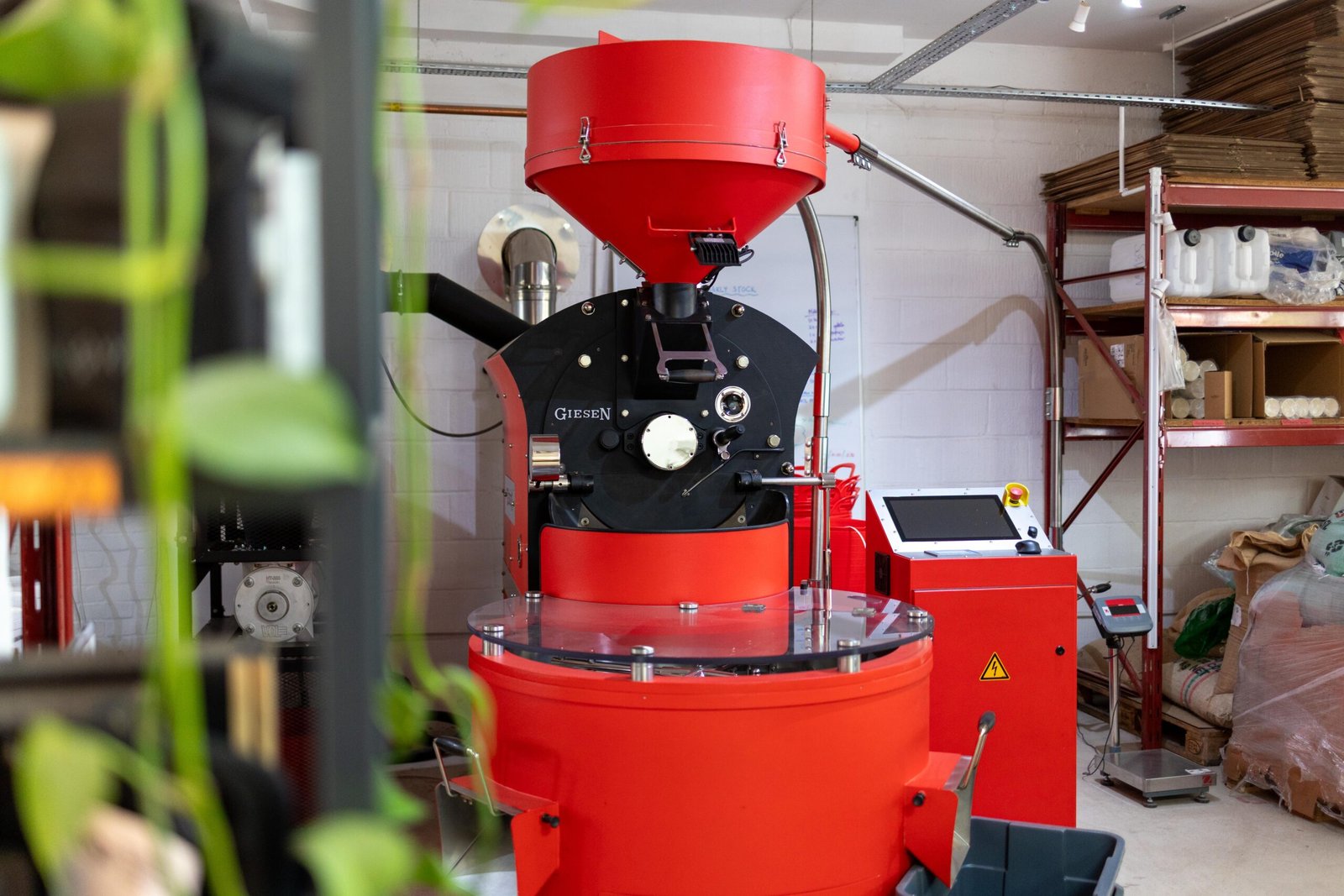
Sharing one room does something to how you experience the coffee itself, beyond the obvious fact that the roaster runs at around 250°C. The heat makes the whole place truly warm to sit in. “It makes you think more about just how far every little bean has come, and all the process it’s gone through to make your coffee. It puts it into perspective, and also makes you more conscious of waste.” There’s a simpler upside too: “It makes you just a little more proud to serve a coffee you also roasted.”
The Monthly Cupping Sessions
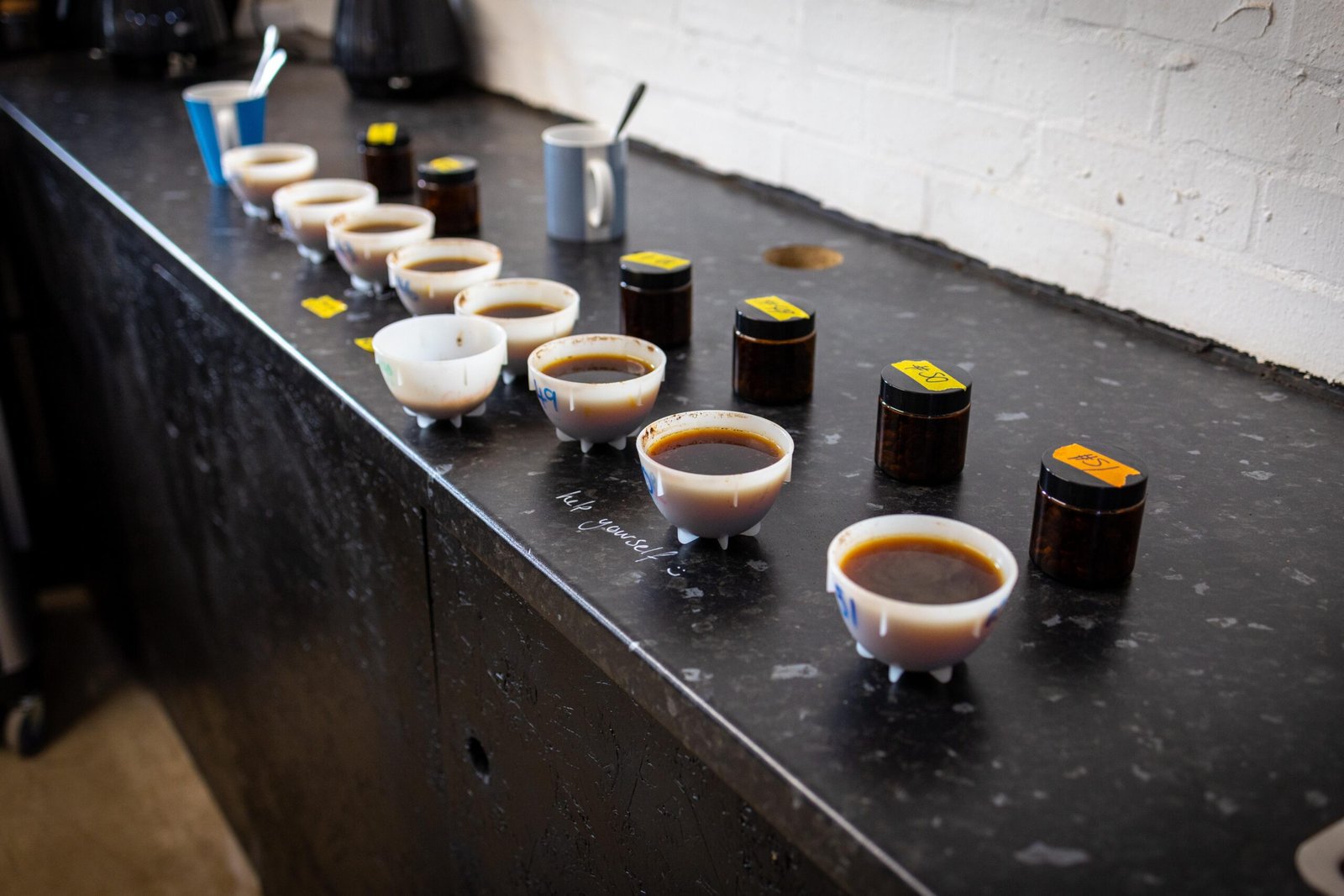
Once a month, two members of the team run a cupping session, six to eight different coffees. Each session is structured to actually teach something rather than just being a tasting for its own sake. It starts with the basics: what cupping is, how to do it well. Then it moves through the coffees themselves, usually starting with espresso options, working through easier filter coffees, and finishing on something more unusual. Occasionally that is a coffee Sustain hasn’t even committed to buying yet, using the session itself to gather real feedback before deciding.
“There’s lots of chat, lots of time to ask questions, and it’s overall just a lovely and laid-back session where we try some really good coffee.” The whole thing centres on education rather than performance, giving people the vocabulary to actually taste coffee, rather than defaulting to “it just tastes like coffee.” The next one lands on 5th September. It’s worth asking in-store or keeping an eye on their Instagram for further details.
Hatfield’s Coffee Scene
By Sustain’s own account, specialty coffee in Hatfield is thin on the ground, which puts them in an unusual position. “I like to think that we’re a bit of a gateway for people, hey, come try this, this is what coffee can taste like, this is an ethical cup of coffee.” Part local coffee shop for regulars who just want a good daily coffee, part destination for people who already know and love specialty coffee. Often, it’s somebody’s actual first introduction to what coffee can taste like beyond the everyday. That mix seems to be exactly the role Sustain has settled into.
The Trade-Off of Doing It Right
Asked what’s truly hardest about running things ethically day to day, the answer is refreshingly unglamorous: cost. Sourcing well and paying fairly is simply more expensive than not bothering. It would be the same for almost any business trying to do right by its supply chain. Beyond that, though, there’s a clear sense that doing things right isn’t actually harder, just a baseline worth holding onto. As they put it, simply: “it’s what we should all strive for.”
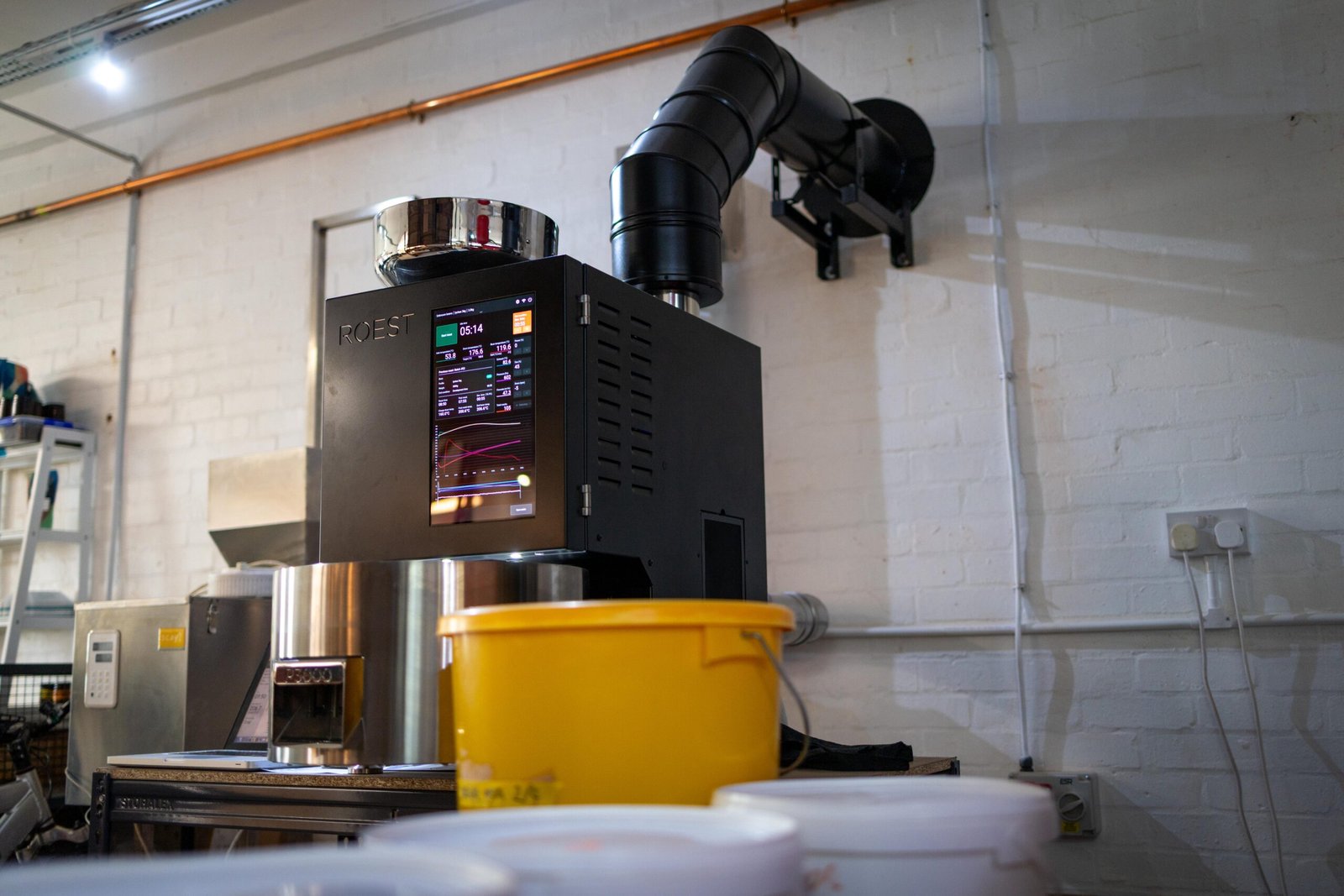
It was great meeting the team and getting to see the roasting process up close. Sustain has recently added an air roaster to the setup, new to them, and used specifically for their filter products. Rather than a drum turning the beans through direct heat, an air roaster suspends the beans in a stream of hot air. That roasts them faster and more evenly. The result is a cleaner, brighter cup, exactly what you want if you’re chasing something juicy and fruity rather than heavy. Their gas drum roaster, the big red one in the picture, does the opposite job: slower, more direct heat. It builds the fuller body and deeper, chocolatey, floral notes that suit their espresso.
Quality Control at Sustain Coffee Co
Amber also showed me the quality control area. Rows of small cupping bowls lined up along the counter, each one labelled and tested straight after a roast. Every batch gets checked this way before it goes anywhere near a bag. Consistency isn’t left to chance. It’s tasted and confirmed every single time.
Riding away from Sustain Coffee Co, what stuck with me wasn’t really one single thing. It was how much sits behind a cup that most people drink without a second thought. The precision Mo built the whole business on. The transparency that shapes every buying decision, right down to which countries they simply can’t source from honestly. Millie’s own eyes opened on a farm in Chiapas. Conor quietly reshaping the space one detail at a time. A gateway, by their own description, into what coffee can actually taste like, for a town that didn’t have much of one before. Then it was back on the Royal Enfield, heading back home.