
My Own Rough Start
I’ve been riding bikes since I was a kid. Back in the US, where I’m from, I grew up around a 1978 Honda Supersport and a 1981 Kawasaki 440b that just refuses to die. My brother restored the Kawasaki not too long ago, and I still ride it whenever I’m back home.
My first UK bike was a Harley Sportster 883. I bought it brand new in 2009 at Warr’s Harley-Davidson in Chelsea. Riding it home through London, shiny black and chrome and sounding loud, is a memory I’ll always keep safe somewhere. I spent the next six months kitting it out with custom parts like screaming eagle pipes, a better seat and a few small touches, only to total it before the year was even out. A car pulled out in front of me and my pillion passenger, and we hit it and then the pavement after a long moment airborne.
It took me 17 years after that to realise I shouldn’t let one bad afternoon put me off owning another bike. What I knew for certain: it wasn’t going to be another Harley. I didn’t want something heavy or high-maintenance. I wanted something that would blend in a bit more.
Then, on a trip to India, I saw first-hand how Royal Enfields handled the chaos of the roads there. They’re everywhere. And that’s when the “Indian Harley” first caught my interest.
A Name Born in 1901
The name goes back to 1901, when Albert Eadie and Robert Walker Smith set up shop in Redditch, Worcestershire. They built motorcycles under a name borrowed from a rather unusual source: a contract to supply precision parts to the government’s Royal Small Arms Factory in Enfield. Hence “Royal Enfield,” and the old company motto, “Made Like a Gun.”
It wasn’t just a slogan either. Through both World Wars, Redditch turned out motorcycles for the British War Department. That included the WD/RE, a lightweight 125cc machine nicknamed the “Flying Flea” for the way it could be packed into a crate and literally parachuted in alongside airborne troops. That’s not a detail I expected to find when I started digging into this, but it turns out this brand has been doing wild things for a very long time.
The UK side of the story doesn’t have a happy ending, though. By the 1960s, Redditch was losing ground to Japanese manufacturers who built faster and cheaper. Bicycle production stopped in 1967, motorcycles followed in 1970, and the original company dissolved in 1971. But by then, the story had already moved on.
How India Kept It Alive
Back in 1952, newly independent India had ordered hundreds of Bullets for army and police border patrol. In 1955, the Redditch company partnered with Madras Motors to build them under license as “Enfield India.” By 1962, the factory made every part domestically. When the UK parent collapsed less than a decade later, the Indian operation just kept going, alone.
For a while, that was a mixed blessing. There were rough years, including the closure of a factory in Jaipur back in 2002. The real turnaround came after Eicher Motors, who’d been in partnership since 1990, took full ownership in 1994 and started investing properly. A new factory at Oragadam in 2013, a second at Vallam Vadagal in 2017, and a push into global markets saw Royal Enfield overtake Harley-Davidson in worldwide sales by 2015. That same year, in a nice bit of symmetry, the Indian company bought a UK engineering firm, Harris Performance. It brought a slice of British know-how back into the fold, from the other direction this time.
Which brings us right up to date. Royal Enfield now builds an impressive modern lineup: liquid-cooled engines, the Himalayan 450, the Guerrilla 450, the Bear 650. All things that would’ve been unrecognisable to anyone in 1950s Chennai. And this April, they launched their first electric motorcycle, the Flying Flea, deliberately reviving that old WWII paratrooper nickname. It’s more than a century after two men in Redditch first put “Royal” in front of “Enfield.” A bike born in England, kept alive in India, now heading into an electric future under a name that started life strapped to a parachute. That’s the machine I ended up falling for.
Choosing My Own Comeback
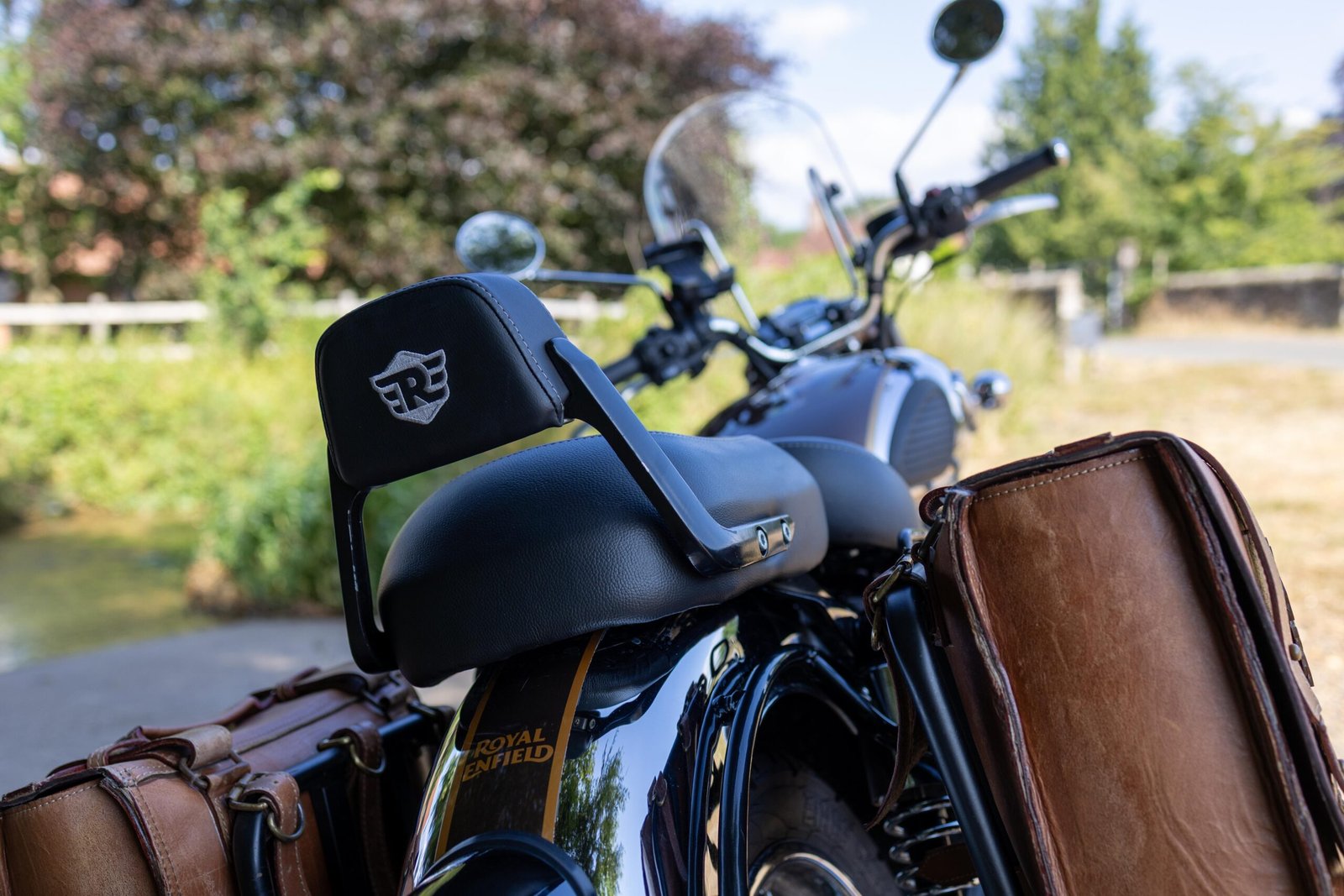
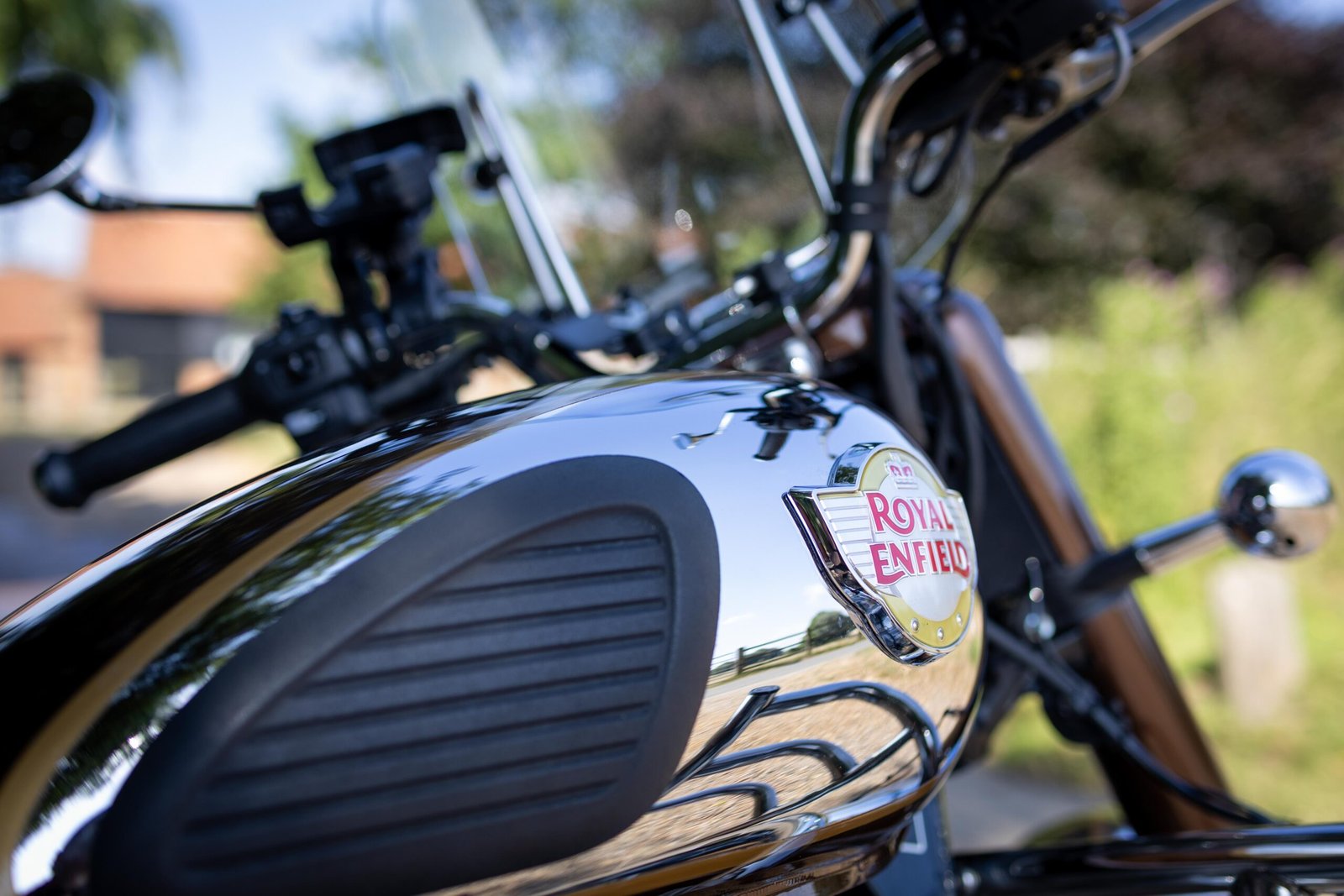
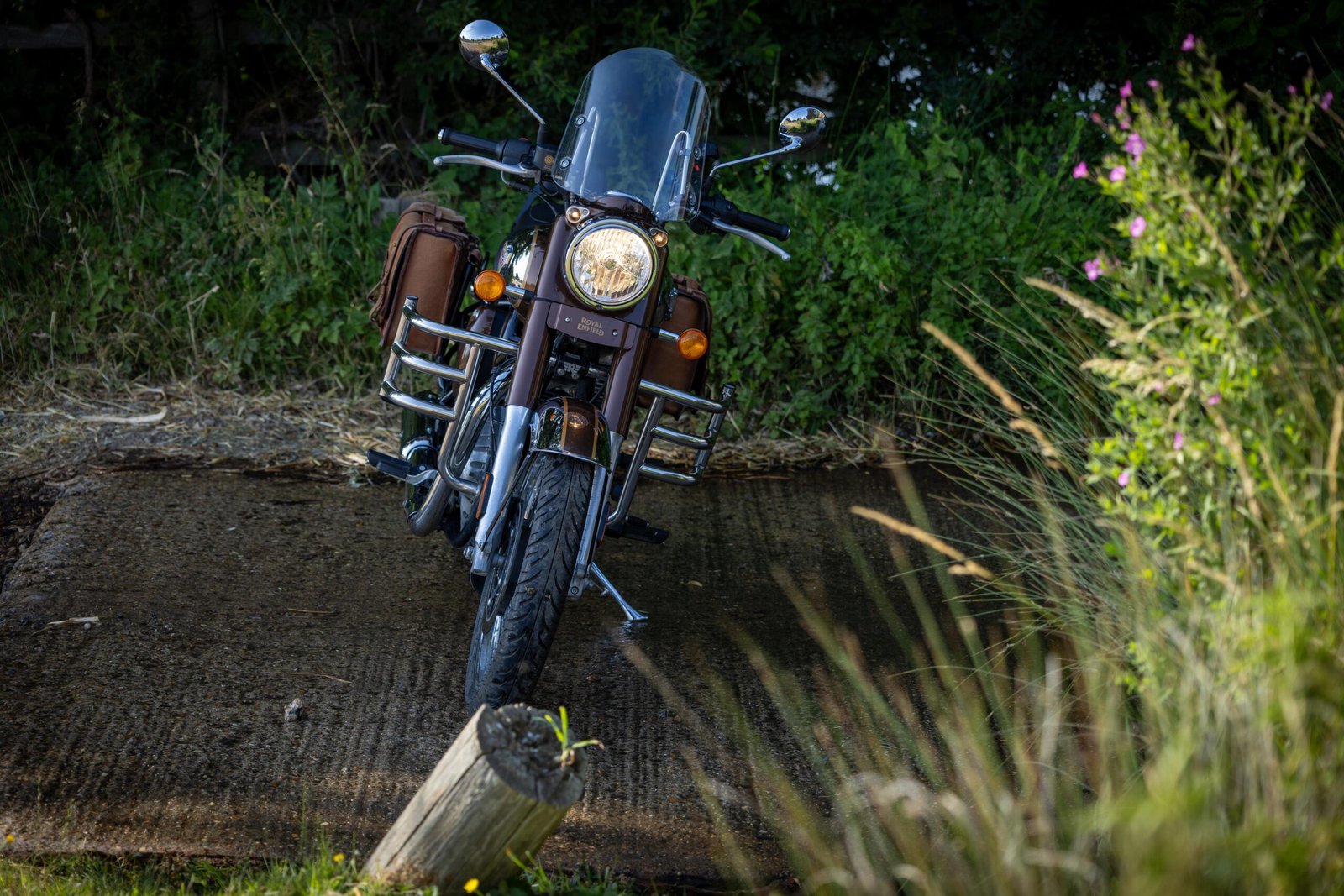
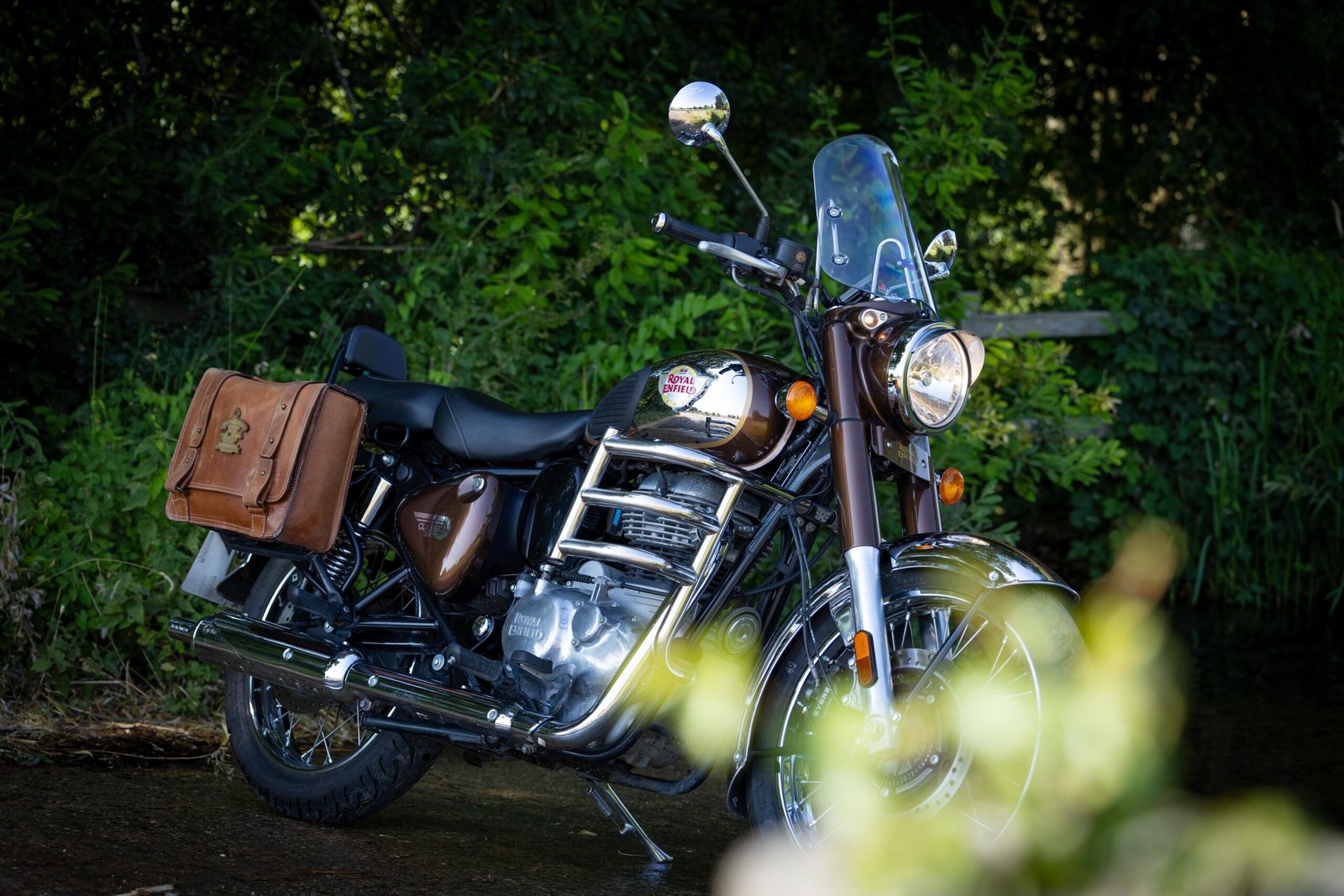
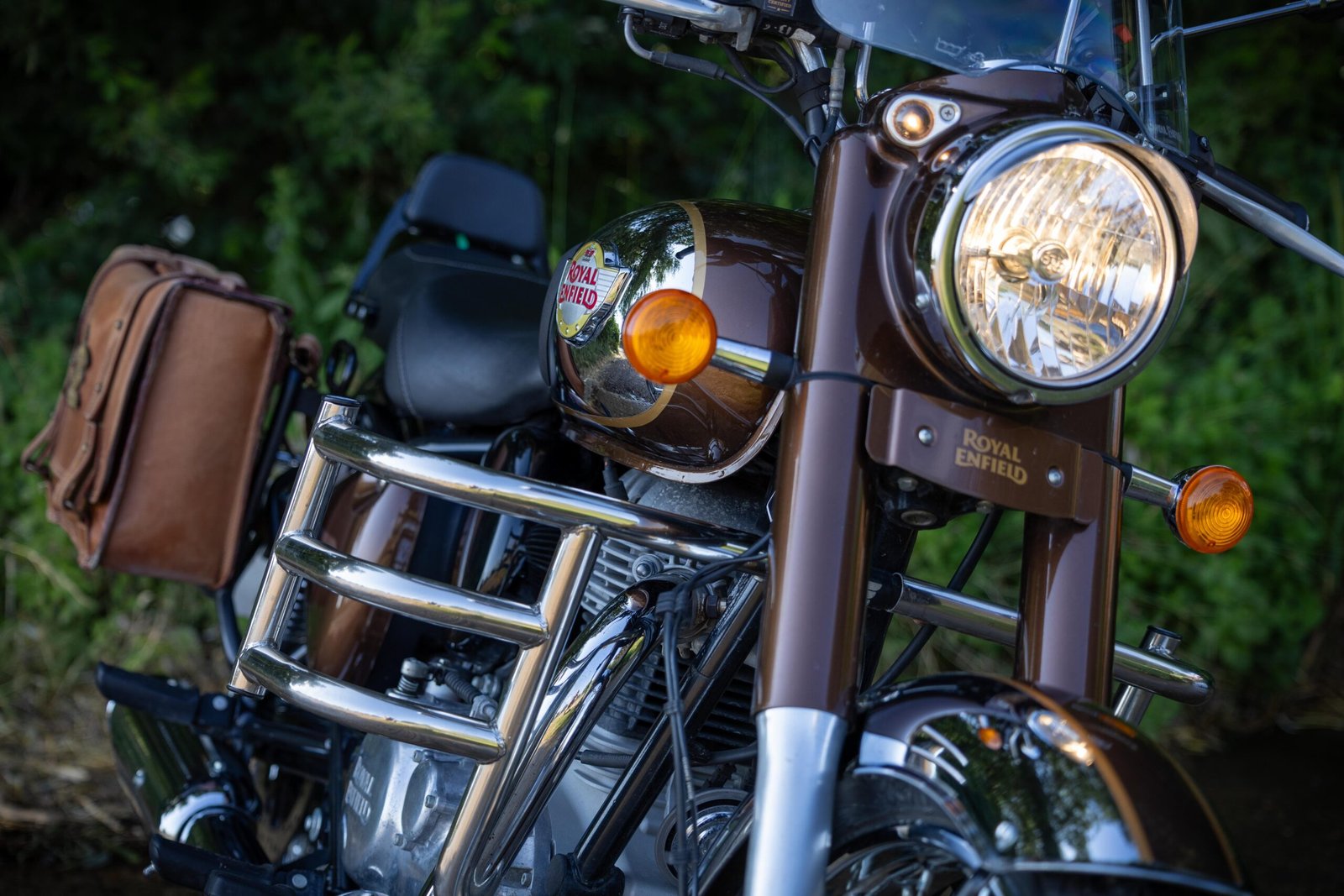
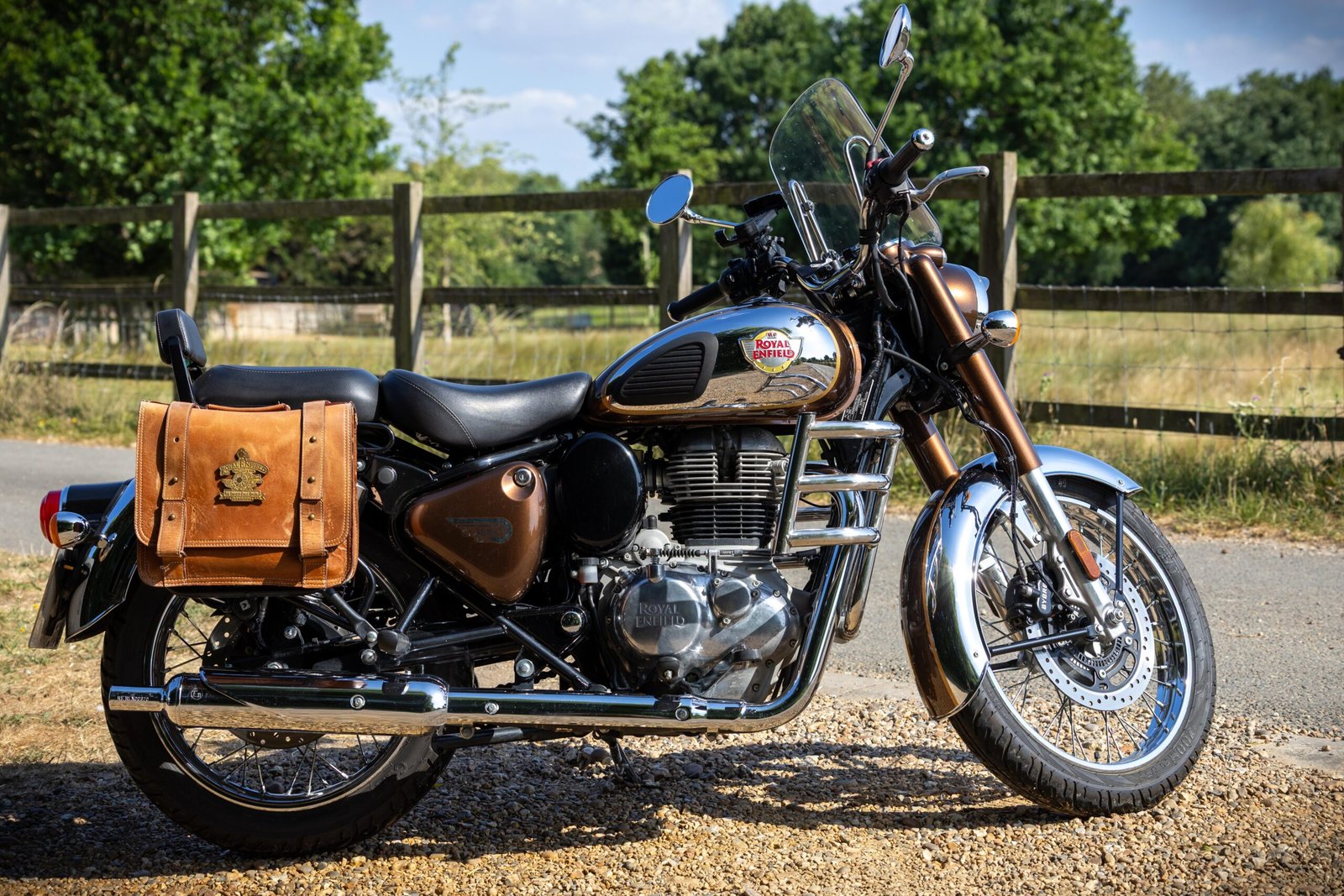
So I knew the make I wanted, but couldn’t decide between the Classic and the Bullet. Months of scrolling through listings online hadn’t settled it either way. So I took a drive out to Gibson Motorcycles in Welwyn Garden City, telling myself I was only going to look. That lasted about as long as it took to spot a Classic 350 in brown sitting in the middle of the floor. One glance and I was sold. It had covered just 1,000 miles, practically still finding its feet.
There’s something fitting about all of it I think. A brand that hit rock bottom, quietly picked itself up somewhere else, and just kept going. That’s not a bad description of my own road back to two wheels either. I didn’t need something fast or flashy this time. I needed something humble but with personality, something built for riding rather than admiring, and something with a bit of history. 17 years is a long time to stay off a bike and I’ve really missed it. I don’t plan on taking a break like that again.