
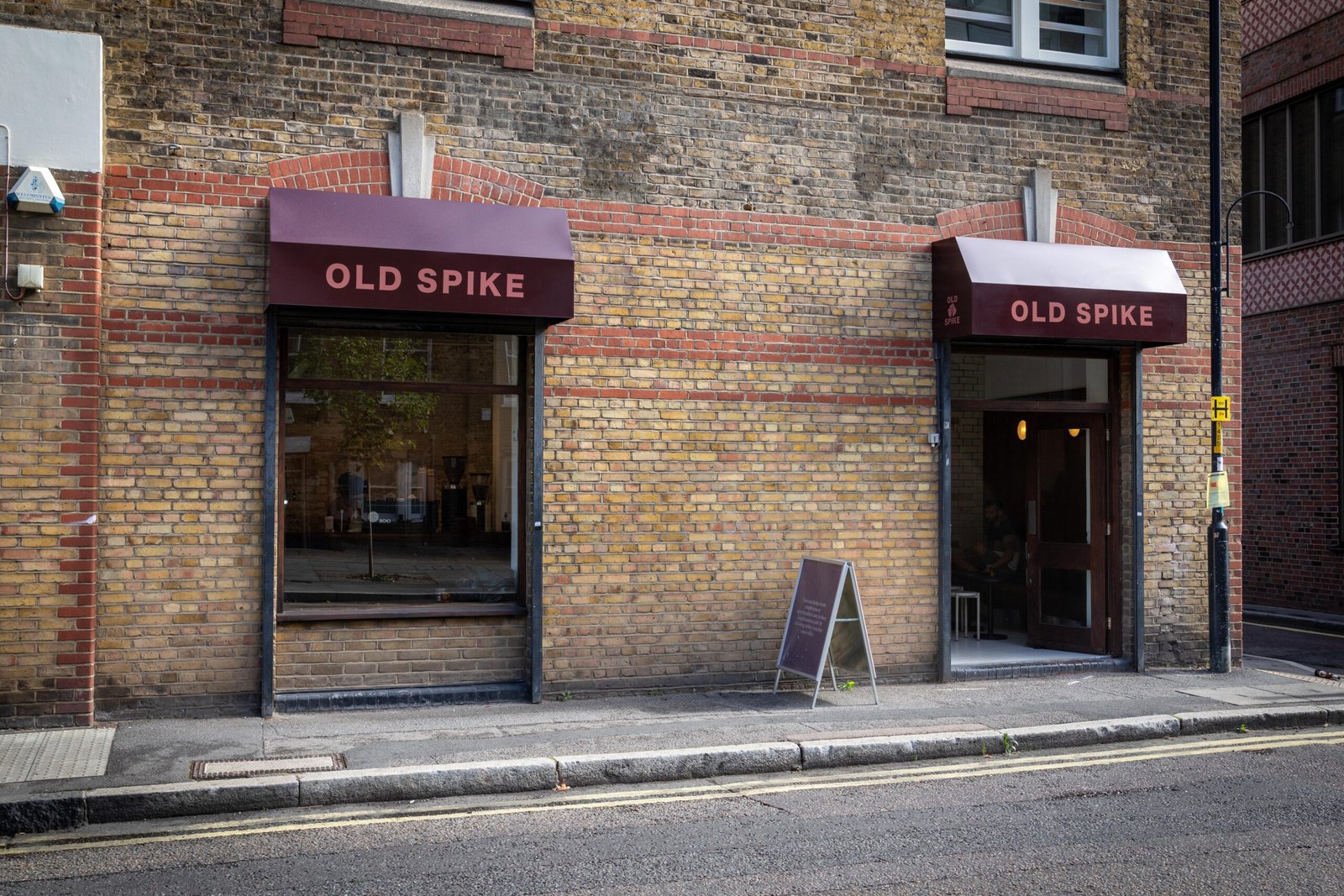

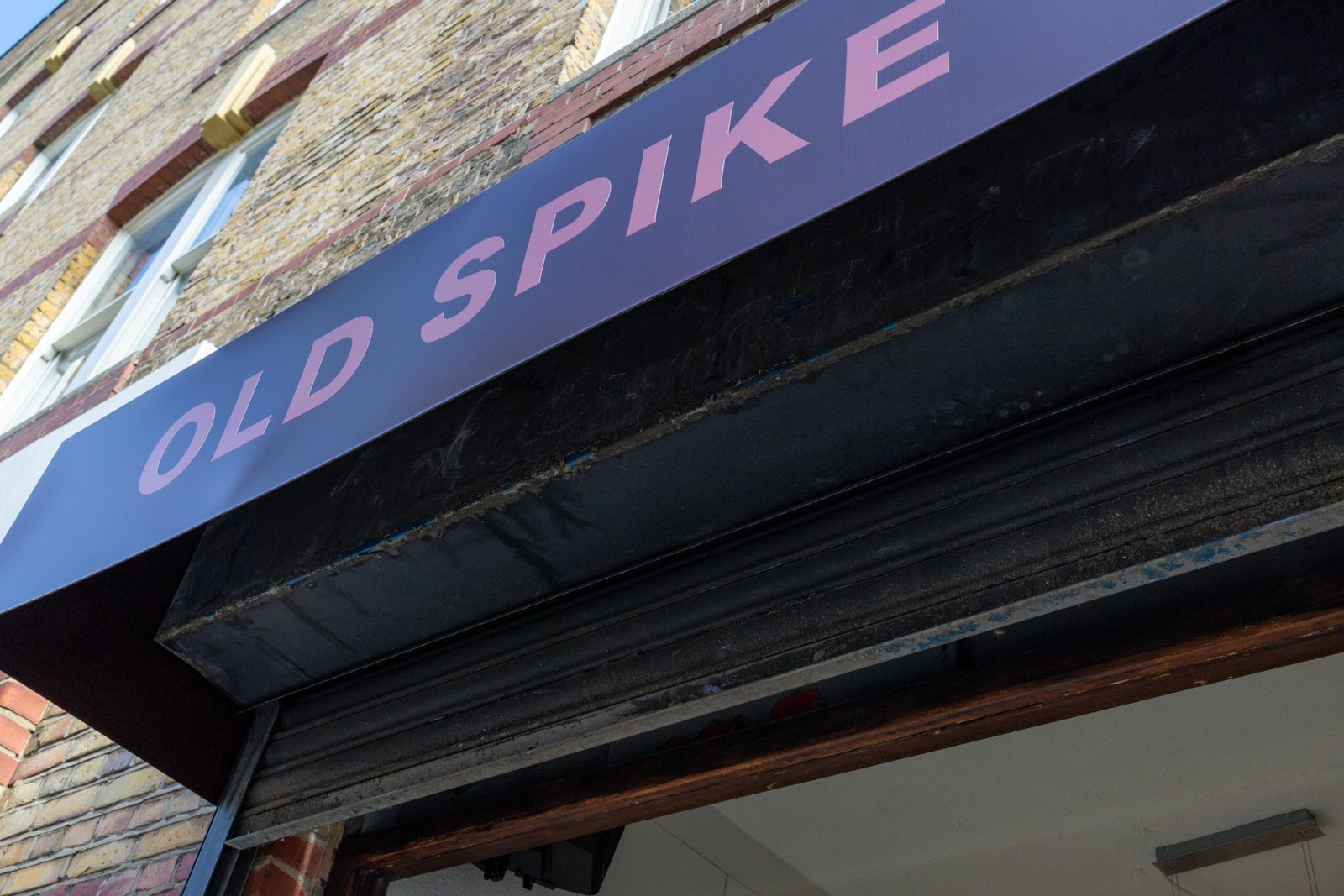
I was riding back from an appointment with Laith at Saint Nine in Southwark when I saw a sign outside Old Spike, another coffee shop, which said, “You can help create employment opportunities and reduce homelessness, just by choosing where you buy your coffee.”
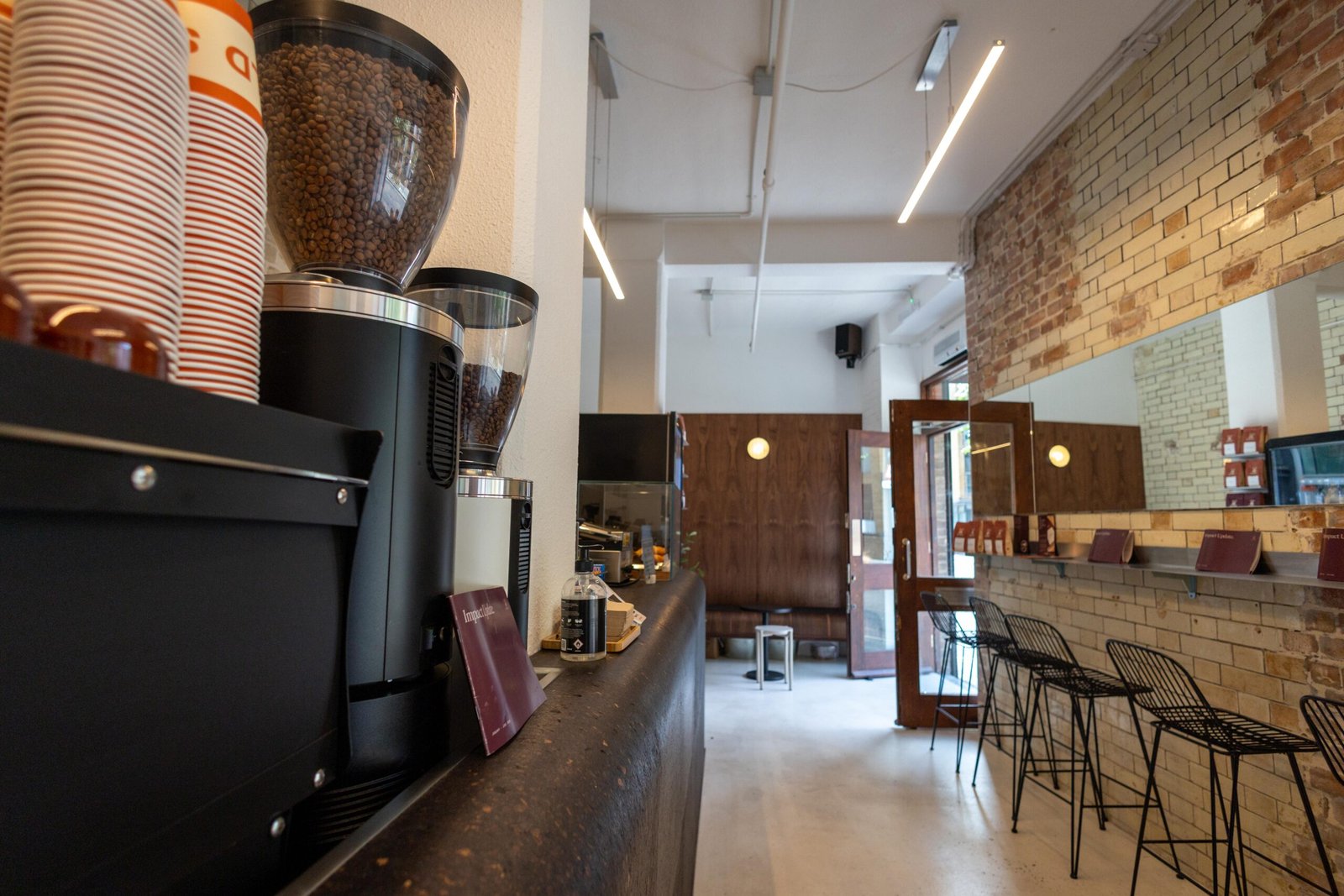
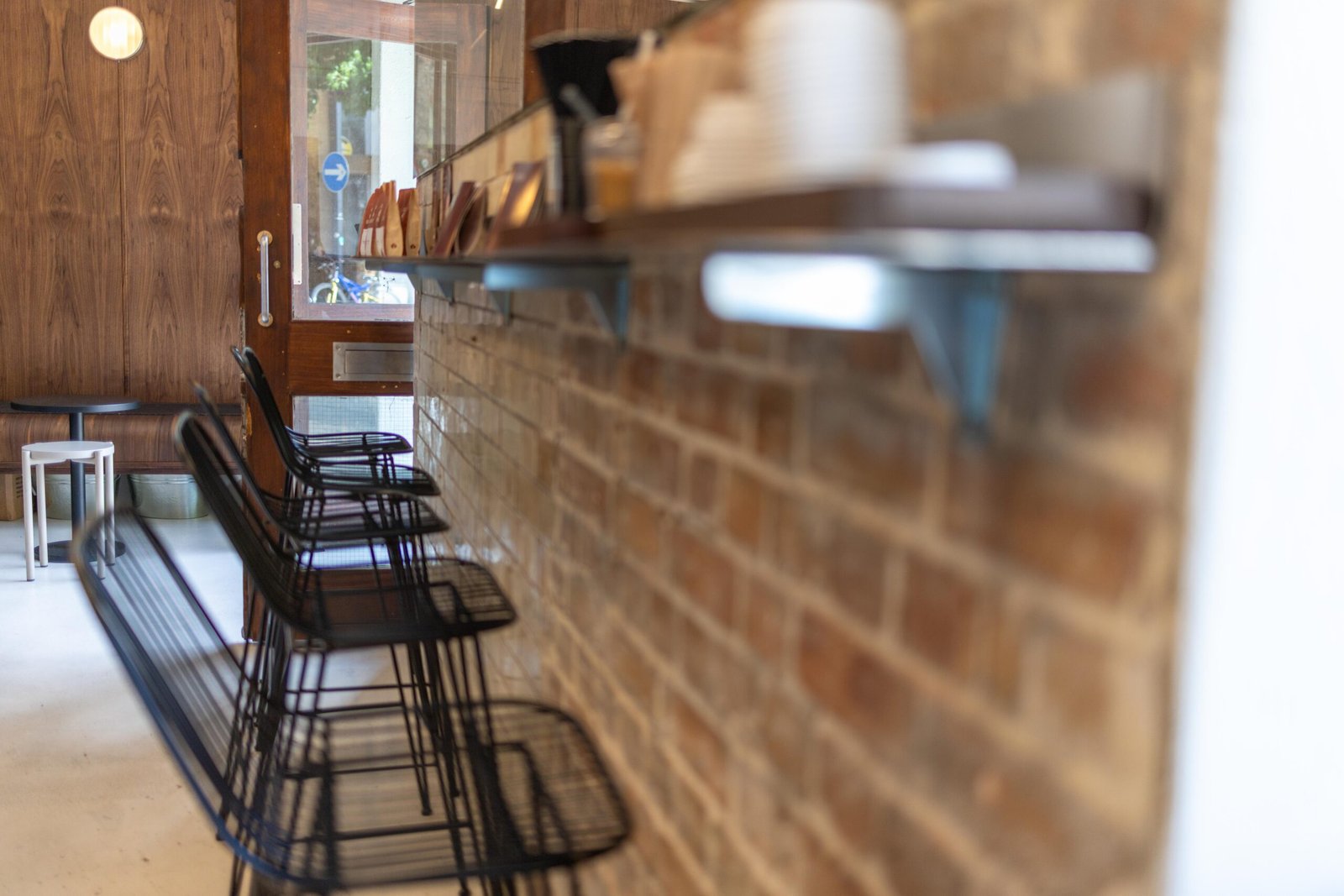
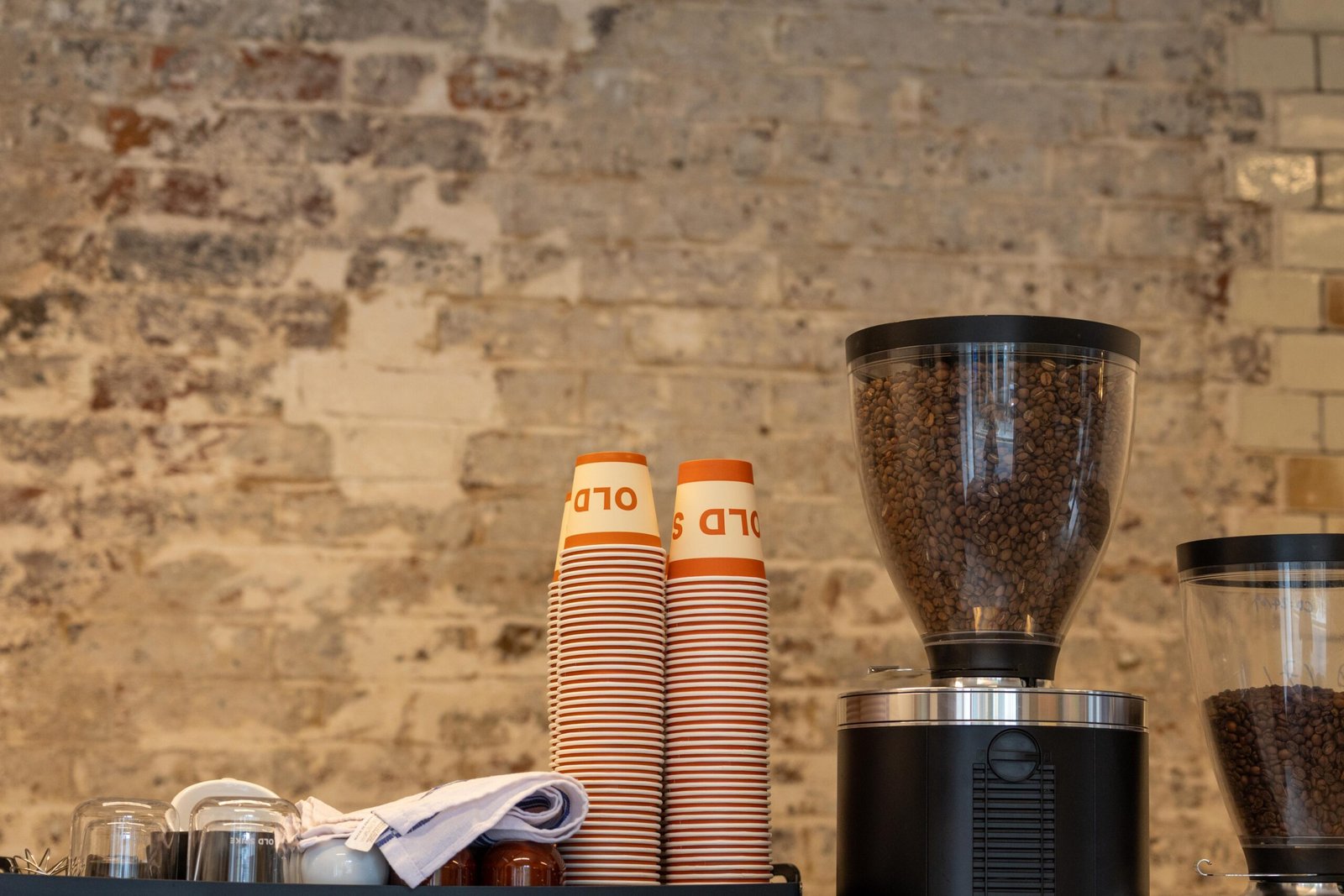
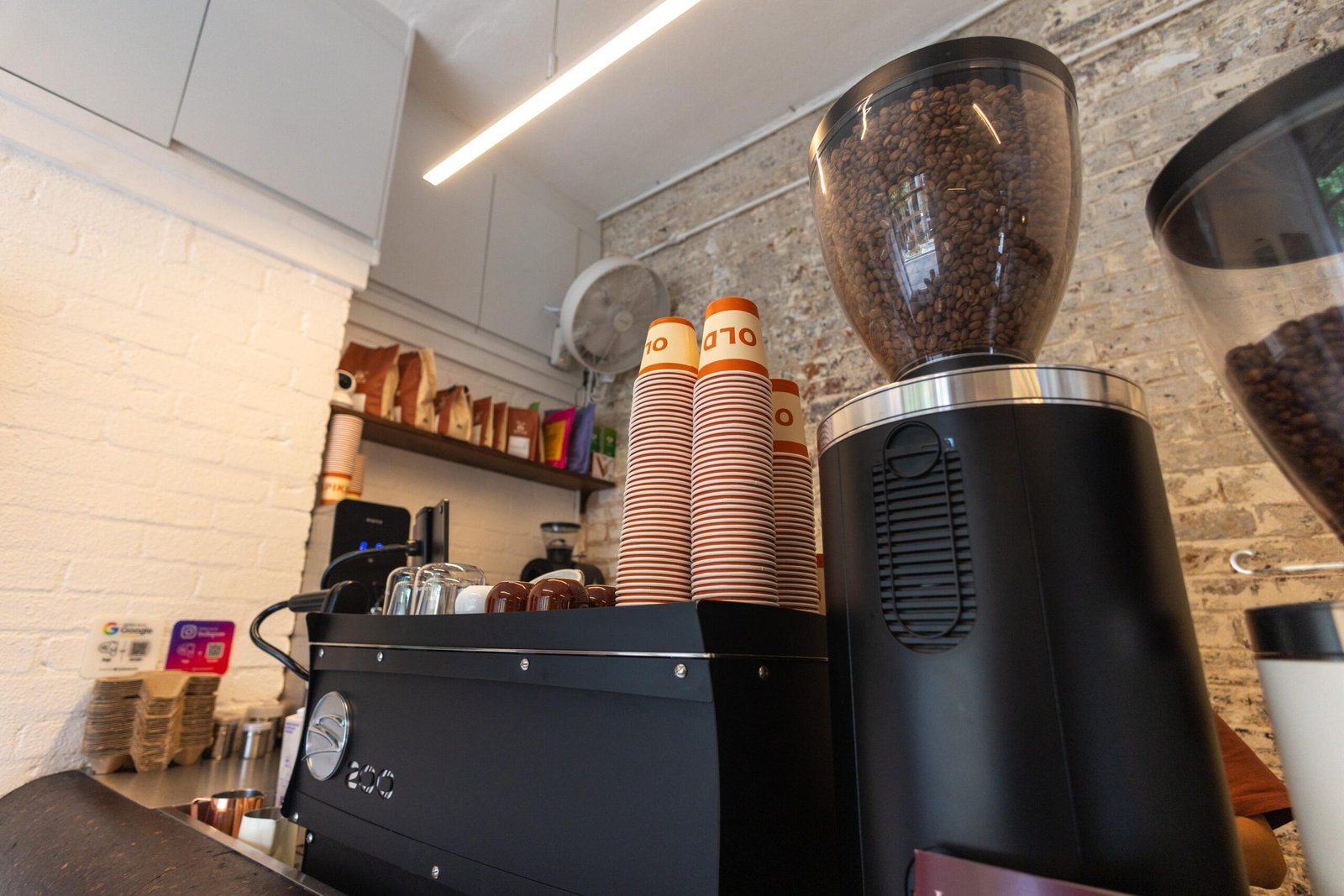
Curious, I parked up and went inside to have a look around. Exposed brickwork, white tiled walls and long linear lights create a bright, uncluttered space, while bar-height seating runs the length of one wall. It is minimalist, certainly, but I still found myself wondering how I had never noticed it before. I got talking to the barista, who told me they had only just opened this branch in Southwark.
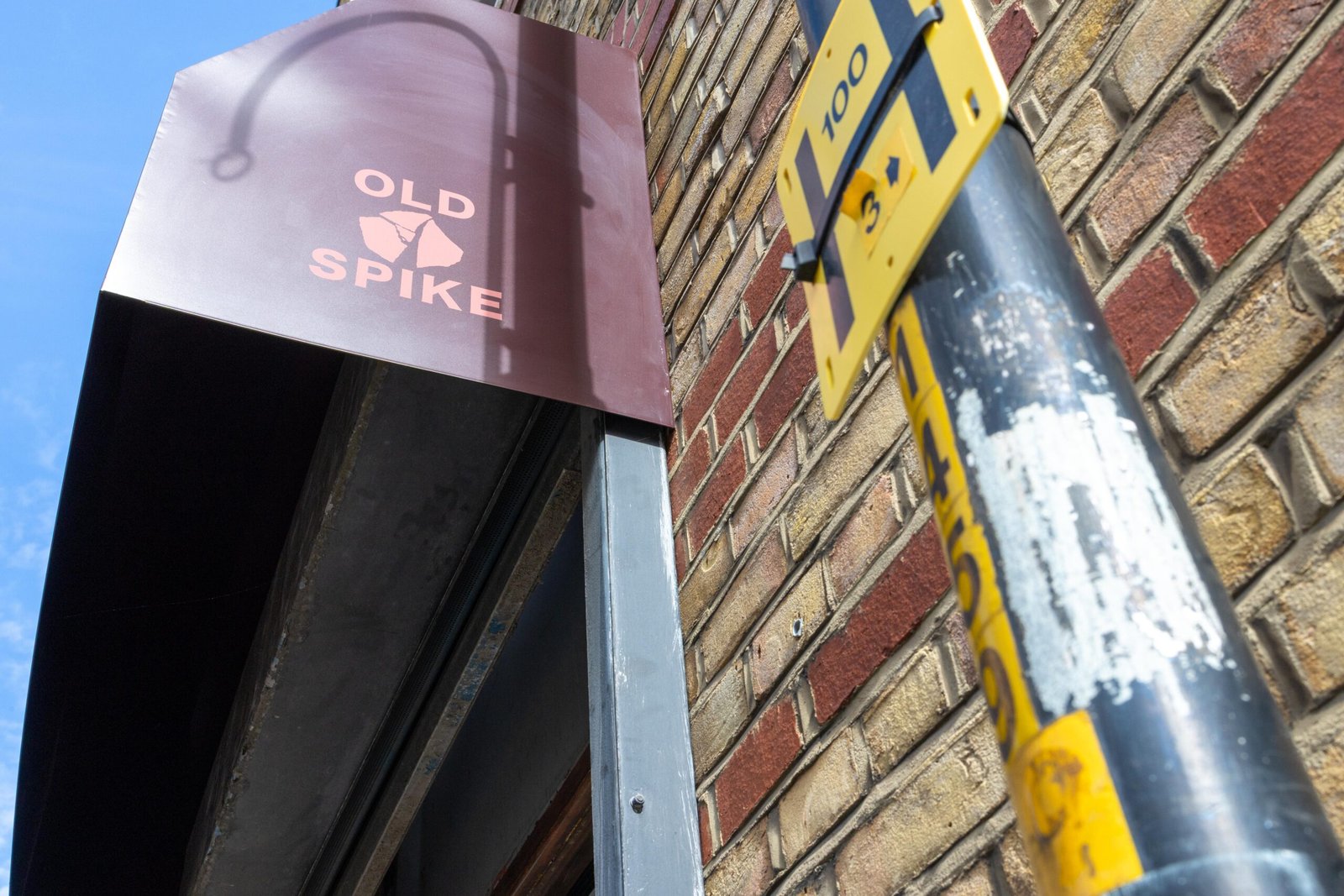


I left with a bag of the house espresso under my arm, a blend with notes of milk chocolate, plums and macadamia. On the morning of this interview, I brewed a cup at home. It was strong, it was lovely, and it did not mess around.
On the back of the bag, alongside the usual details, were figures you do not normally find on coffee packaging: people trained, hours worked, wages earned, and a 92% placement completion rate.
Old Spike began in Peckham in 2015 as a small roastery with a bigger idea. It would use good coffee to create paid routes into employment for people who have experienced homelessness. More than ten years on, it operates seven London cafés and a roastery supplying hundreds more.
I sit down with Jade Ponomarenko, Operations Manager at Old Spike, to talk about what it takes to keep seven cafés and a roastery running, how the training programme works on the shop floor, and where the business goes next.
About Jade
Jade is the Swiss Army knife at Old Spike. “I cover pretty much everything in terms of finance, logistics, staffing, HR, all of that across the seven cafés and our roastery as well,” she says.
She is matter-of-fact about why. “In any small to medium-sized, founder-led business, it’s typical for an operations manager to wear lots of hats.” The part that might surprise people is where she spends some of her time. “I still work behind the bar quite often, making coffee, which maybe people don’t necessarily think of.”
When I ask whether it was the coffee or the cause that drew her in, she does not hesitate. “The social mission, for sure, really keeps my interest. I always had something in me that wanted to work for more than just me, or more than just a title. That really intrigued me.”
From Peckham Rye to Two Tonnes a Week
Old Spike began as a small roastery on Peckham Rye. Three or four years ago, roasting moved to a much larger site at Loughborough Junction, with its own training space. Unlike the cafés, it is a dedicated roastery, and the move transformed the scale of the business.
“We started doing wholesale there, selling coffee beans to hundreds of different independent cafés or contract catering groups across the UK,” Jade says. “So we have two arms of the business now, the cafés and then our wholesale. We roast up to two tonnes a week now.”
Wholesale at Old Spike extends far beyond supplying bags of coffee. “We do everything for them, from ordering their machinery to coming and installing it for them, making sure to test,” she says. “We train their baristas if that’s something they require, and we’re always on call to help them if their machine has an issue.”
For cafés that need additional support, the team also offers one-to-one consultancy, covering everything from barista training to the financial realities of starting a business.
Growing from one site to seven cafés brings its own challenges, and Jade identifies the biggest immediately. “Making sure that standards are met across all of the sites. Making sure the customer experience is still where we want it to be, and that the coffee is still good. That’s always going to be quite a challenge, but our team luckily do really well.”
Seven Neighbourhoods, One Standard
A café at Cabot Square in Canary Wharf serves a very different crowd to one in Peckham. So how do you keep the coffee consistent?
It starts with training. Every new starter trains with their manager until they reach the company’s standards. After that, Jade says, it comes down to culture.
Old Spike hires against three core values: passion, pride and integrity. “All of our teams really act with those values in mind, and we hire based on those values,” she says.
There is also a degree of trust. “I’m not a micromanager or someone who spends all my time auditing. There is an element of trusting, after their training period is over, and trusting the managers to maintain the standards.”
The coffee-making standards stay the same across every site. The cafés themselves change to suit the neighbourhoods they serve.
“A site in Peckham will obviously look quite different to one in Canary Wharf,” she says.
A Soho café, where customers are often buying gifts, might carry a much larger retail coffee display. A City location sells less retail coffee and more food and drinks to office workers.
“So tailoring the offer, but still keeping the basic coffee standards and workflow the same.”
How the Old Spike Training Programme Works
The programme is the reason that sign caught my eye, so I ask Jade to walk me through it from the start.
Old Spike works with a number of charity partners. They refer people who have experienced homelessness or are at risk of it. Each person begins with a taster day. If they decide it is for them, they book onto two days of intensive training with the impact manager, who oversees the programme. That covers everything from dialling in espresso to steaming milk and pouring latte art.
Then comes the placement. The impact manager matches each trainee with a café that suits their commute and experience level, somewhere not too busy to learn the ropes.
“They do three weeks of paid work placement that we pay for,” Jade says. “It’s London Living Wage, and they’re guaranteed at least 40 hours during those three weeks in total.”
Running a busy café and a training programme side by side takes careful planning. “On the first week we try and get them in for shorter shifts in our off-peak time, so they have a chance to get to know the shop and to learn,” she says.
Managers then decide whether trainees are ready to step into busier periods the following week. “We shape the shifts around their needs, basically.” Sometimes a trainee suits a different café better and moves across.
Bringing the Old Spike Programme Back
The programme itself is newer than the company. Jade explains that founder Richard always intended to create one, but it first ran in its current form in 2023. When the impact manager at the time moved on, it paused for around nine months. Jade and the current impact manager revived it last year.
Old Spike has not always made a big song and dance about its social mission.
“Richard is very humble, so he never wanted to brag,” Jade says. “But with the help of our new marketing manager, we have been trying to make more people aware of what we do, so that we can get more support.”
Finishing, and What Comes After
That 92% completion rate on the bag is a high number, so I ask what sits behind it.
Jade says it begins before the placement even starts, with charity partners referring people who are ready to take part. The taster day serves as an early check. If someone is not quite focused yet, or the timing is not right, Old Spike keeps working with them. They can come back when they are ready to try again.
Once a trainee is in a café, feedback becomes the priority.
“After every shift, the manager will give them some feedback, positive and constructive,” she says.
The impact manager also checks in with café managers each week to catch and fix any issues quickly.
And the ones who do not finish? Usually, Jade says, they were not fully invested in the opportunity to begin with. But she is careful not to generalise.
“Everyone’s situation is so unique, so we never judge anyone not finishing, and we always do invite people back if they want to try again.”
Life After the Old Spike Programme
Old Spike encourages graduates to apply for vacancies within the business. In the last year, it offered one trainee a role at the Southwark café and another a role at Canary Wharf. Both offers came shortly after they completed the programme.
The standout success story is even closer to home. One of Old Spike’s current café managers first joined as a trainee.
“She’s worked her way up through trainee, barista, café manager, and is still here years later, now training the trainees herself,” Jade says.
The charity partnerships extend beyond referrals. The team visits partner organisations and attends job fairs. Last year it also ran a coffee pop-up with The Connection at St Martin’s in Trafalgar Square. It stayed for several months over Christmas.
“Those relationships just require lots of transparency, being realistic about what you can achieve together,” Jade says, “but also an openness to doing a few different things, whether that’s food donations or volunteering.”
Where the Money Goes
Old Spike says 65% of profits go back into its social and environmental goals. Jade is careful to explain what that means. The figure relates more directly to the roastery and wholesale side of the business than to café sales.
Most of it funds the trainee programme. “We just pay for that out of pocket,” she says, including the trainees’ wages and the salary of the impact manager, helping to keep the scheme viable.
The remainder supports projects the team is passionate about. Some goes on more expensive micro lots that benefit small coffee-growing communities. Some funds donation coffees, where £1 from every bag sold goes to a coffee farm or charity.
The team chose the figures on the bags with the same care. They needed to reflect the work accurately while remaining easy to understand.
“We didn’t want lots of confusing jargon, or people having to investigate what does this mean and what does that mean,” Jade says. “It needs to be super clear for everyone to understand.”
Knowing Every Farm
Old Spike describes its coffee as direct trade and responsibly sourced. The head roaster buys through importers, as most roasteries do, but the team maintains close relationships with the farms themselves.
“We know every farm that we get all of our coffee from,” Jade says.
Some of those partnerships are long-standing, while others are more occasional. The aim is to source coffees that deliver a positive impact, from the communities growing them to the people drinking them in London.
That thinking led to one of the more unusual bags on the shelf: an excelsa from South Sudan, with £1 from every bag sold donated to a food poverty charity.
“We knew that we wanted this to be a donation bag, so we needed it to be something eye-catching and interesting as well,” Jade says. “It’s something people don’t have every day. It’s something the coffee nerd would be interested in going for.”
A New Look and More Doors for Old Spike
The Southwark café is the newest in the group and the first to open since Old Spike’s brand refresh. Jade says the team considered a number of areas before settling on it. Southwark already had a speciality coffee scene, but not one as crowded as Fenchurch Street or Canary Wharf.
“We saw a bit of a gap there,” she says. “And then we really liked the trifecta of having a residential neighbourhood, and students, and office workers. To get all of those three felt like a big tick in our criteria.”
The refresh itself came after a decade. Jade sat down with founder Richard, commercial director Lucy and marketing manager Millie to ask a simple question.
“Does our brand really show who we are?” Jade says.
The website had barely changed over the years and the team felt it no longer showed Old Spike at its best. The team is now updating the other cafés too. Each one suits its local area while staying recognisably part of the same business.
The hardest part was not choosing colours or a new tagline. It was the coffee bags.
“Making sure all the new bags were sealing properly, working properly, looking good, feeling good. That was hard.”
What Comes Next
More cafés are on the way. The rough target is around two openings a year, depending on team capacity and cash flow. The team has already confirmed a handful, mostly in office locations across the City. Jade is keeping the details under wraps. The search is also on for a large neighbourhood site with enough footfall to become a destination in its own right.
Growth, however, comes with a caveat.
“If it was unsustainable then we would stop and think, not open any more until we’re ready,” she says. “It’s all about keeping the business sustainable as well.”
More Than the Cup
I started this site because a good coffee stop is worth riding for, and because the stories behind the counter are usually better than the ones on the menu. Old Spike is a clear case of that. The espresso is strong and well made, and it would be worth the stop on that alone. But there are plenty of places serving excellent coffee. Far fewer are changing lives while they do it.
Old Spike | 251 Southwark Bridge Road, London SE1 6FJ | Open daily until 3pm | Motorcycle parking: Free on Great Suffolk Street motorcycle bay | Instagram: @oldspikeroast