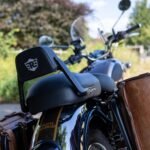
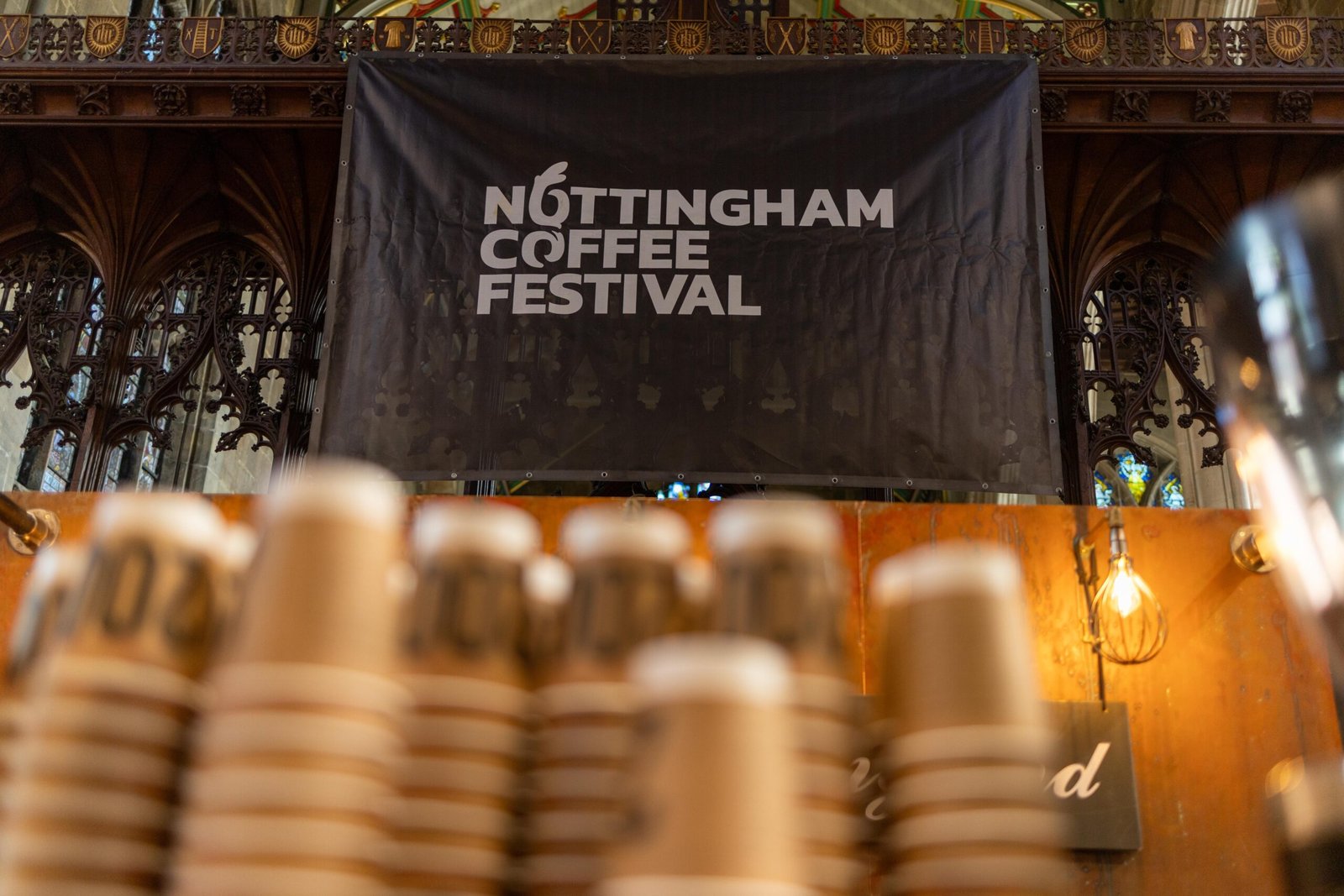

I set off early on the bike and headed up the motorway for the 100-mile journey to Nottingham Coffee Festival on Saturday 17 October. About halfway there, I pulled over to break out the thermos, filled with a Climpson & Sons coffee I’d brewed earlier that morning. It helped thaw me out as temperatures hovered around 7°C on a chilly October morning.
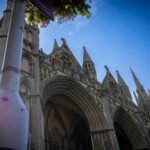
Arriving at St Mary’s Church just after 9am, I barely had time to take it all in before getting stuck in. The day quickly became a blur of conversations, coffees and friendly faces.
St Mary’s sits in Nottingham’s Lace Market, and the festival fills it with roasters from across the country. Queues were already forming at some of the stands, so I did what first-time visitors are advised to do: wandered round, tasted plenty of coffee and talked to the people who caught my eye.
I parked the bike at the Lace Market car park nearby. Motorcycles have their own secure caged area there, monitored by CCTV, and parking in it is free. Result!
My first stop was 200 Degrees Coffee.
From a Garage Popcorn Machine to 26 Coffee Shops: 200 Degrees Coffee
“It was actually an odd hobby of mine that I had in a garage, roasting on a popcorn machine.”
Standing among the crowds at Nottingham Coffee Festival, Tim, better known as “the coffee guy”, recounted the origins of 200 Degrees Coffee. It was a story that hardly sounded like the start of a business that would go on to open 26 coffee shops across the UK. Yet that small-scale experiment became the foundation of one of Britain’s most recognisable independent coffee brands.
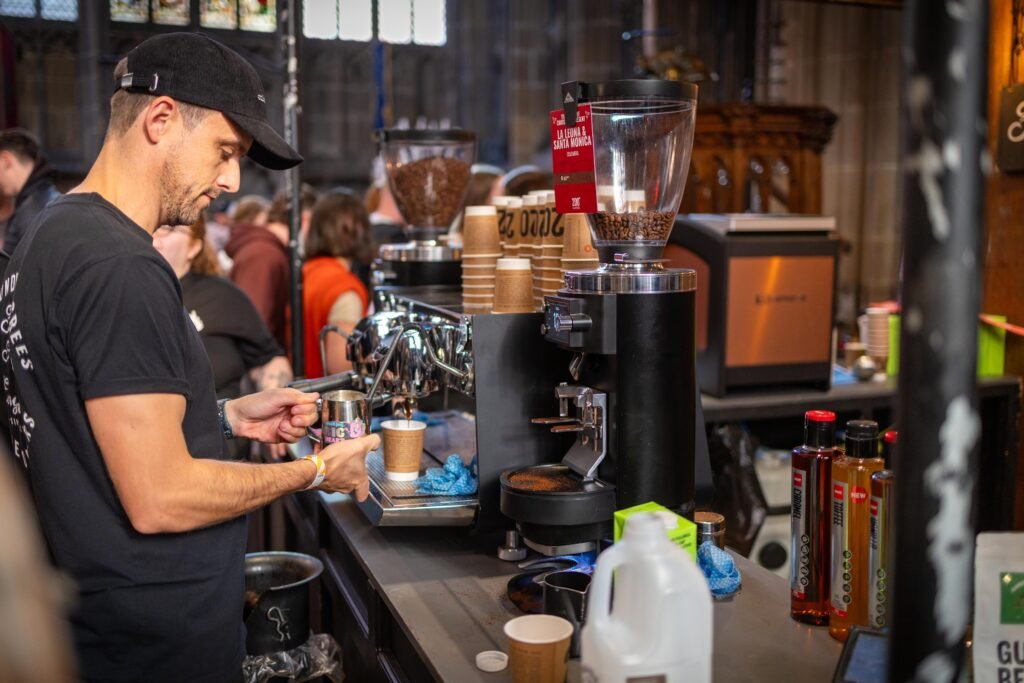
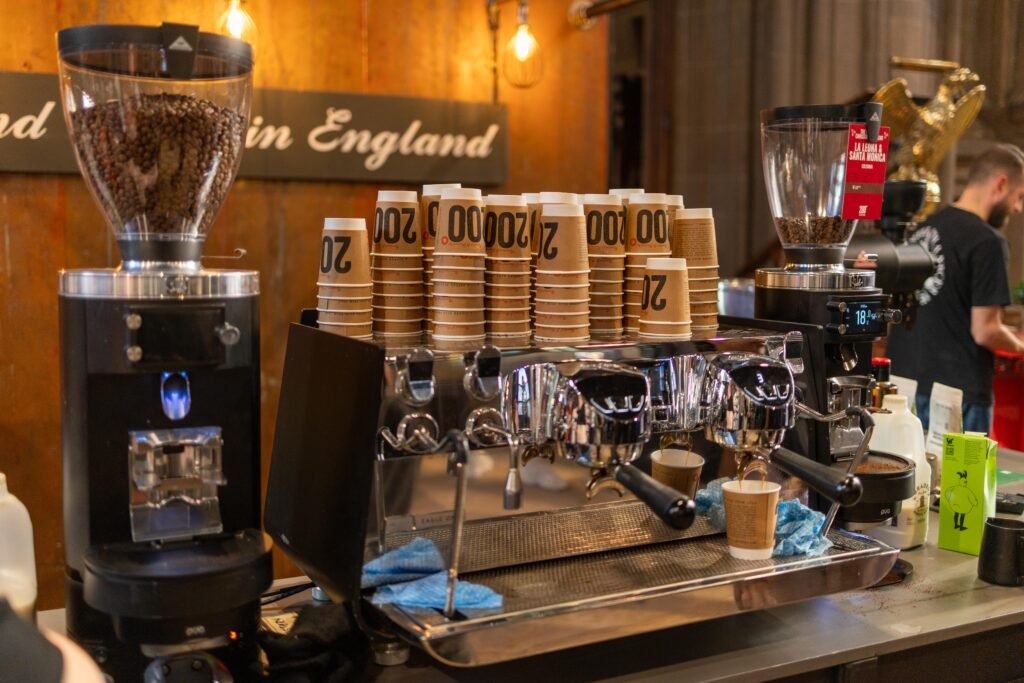
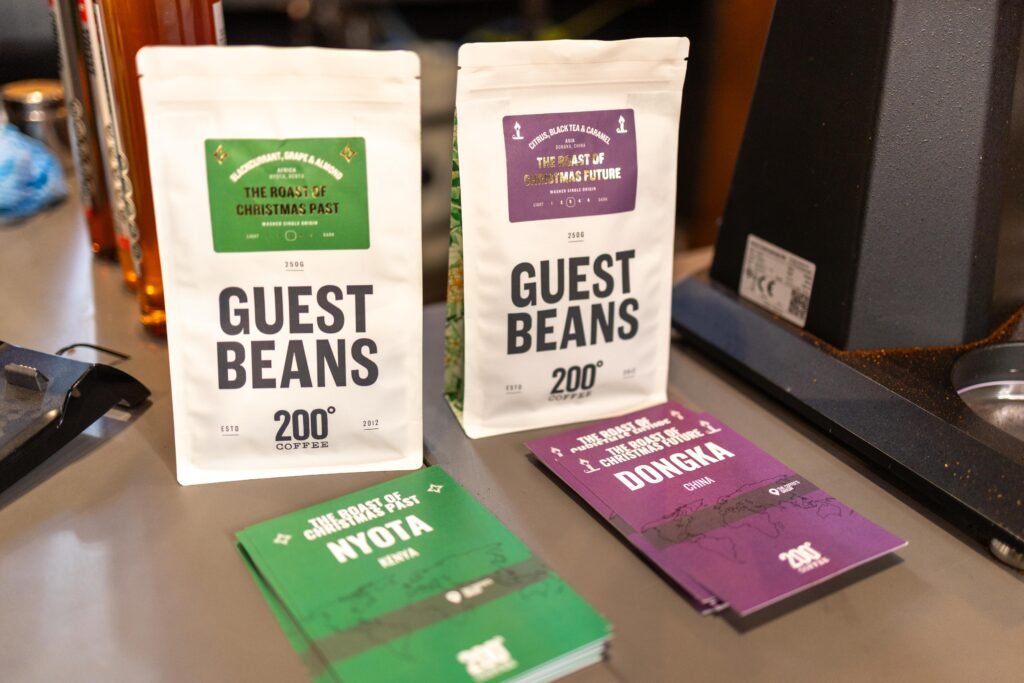
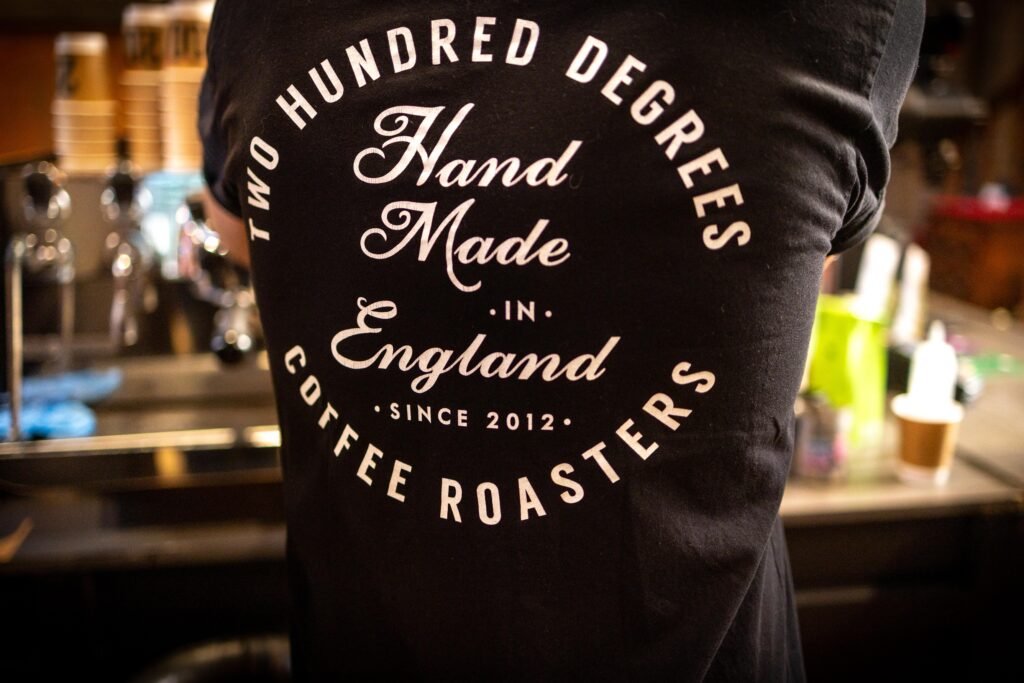
For Tim, Nottingham Coffee Festival holds a special place. Apart from one year when he was away, he has been part of every festival since it began. Speaking warmly about the event’s founders, he described them as “really nice chaps” and, perhaps more importantly, “coffee lovers, of course.”
His advice for first-time visitors reflected the approachable nature of both the festival and the company he helped build. “What I like about this one is it kind of guides you around the different stalls,” he said. “Just come in, wander around, talk to the people who catch your eye.”
Founded in 2011 by Tim and two business partners, 200 Degrees began life in the corner of a warehouse. In 2014 they opened their first coffee shop in Nottingham’s Flying Horse Walk. Today, the business continues to expand, with new locations opening around the country and more on the horizon.
I asked Tim what keeps customers coming back. “I like to call it the warm, fuzzy feeling of walking into a coffee shop,” he said. “The lights are relatively low, but it’s cosy, it’s comfortable and, of course, the coffee.”
That balance between atmosphere and product lies at the heart of the brand. While 200 Degrees has grown into wholesale supply, subscription services and barista training, coffee remains its obsession.
“First and foremost the product has to be amazing,” Tim explained. “It’s got to be great.”
Alongside the company’s longstanding staple blend, which traces its roots back to Tim’s early roasting experiments, the team continues to explore new coffees and new stories. He lit up when talking about a recent Colombian coffee sourced from a husband-and-wife farming team, describing it simply as having “an amazing story”.
For all the growth and national recognition, Tim hoped festival-goers would leave with a better understanding of what sits behind the logo.
“We’re very passionate about our coffee and the blends that we create,” he said.
200 Degrees Coffee | 16 Flying Horse Walk, Nottingham, NG1 2HN | Mon-Fri 8am-8pm, Sat and Sun 9am-8pm | Instagram: @200degs | Details checked: October 2026
Keeping People at the Heart of Coffee: Beanworks
“We love it here,” Will from Beanworks said. “It’s one of our favourite festivals.”
Will works in coffee training and education at Beanworks, and I’d only just managed to catch his eye during a brief lull between serving customers. With another queue already forming at the stand, I quickly launched into my questions, starting with the origins of Beanworks.
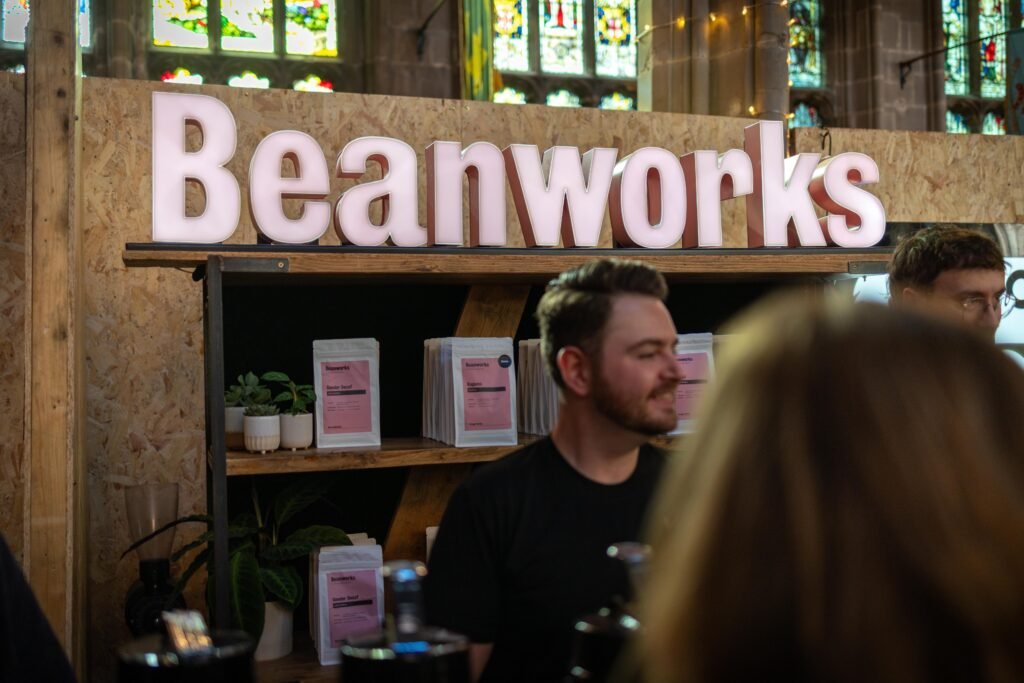
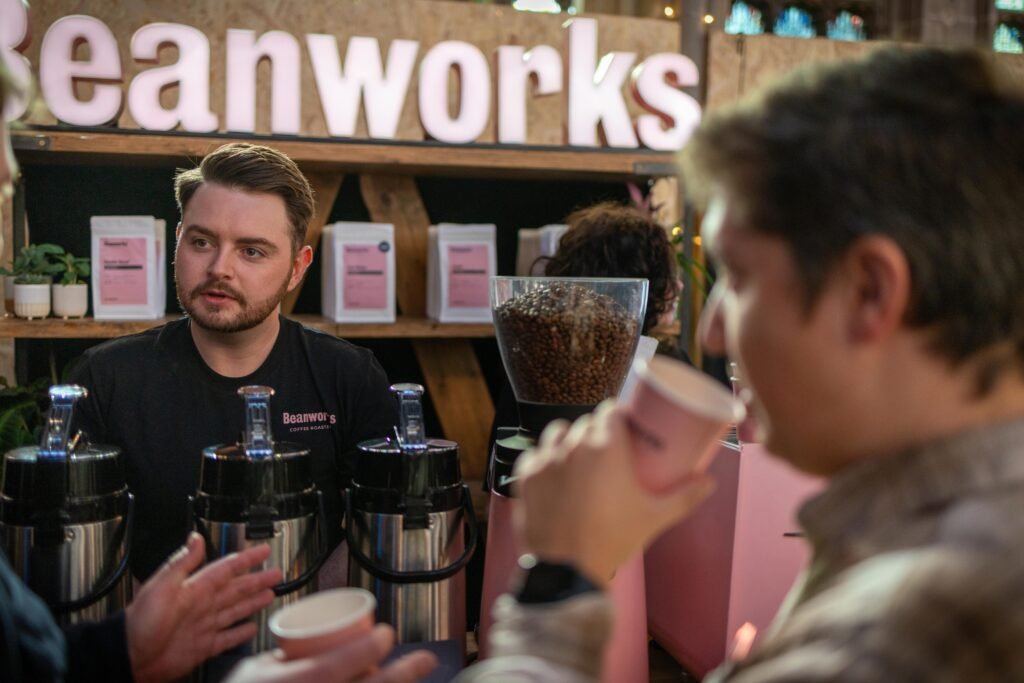
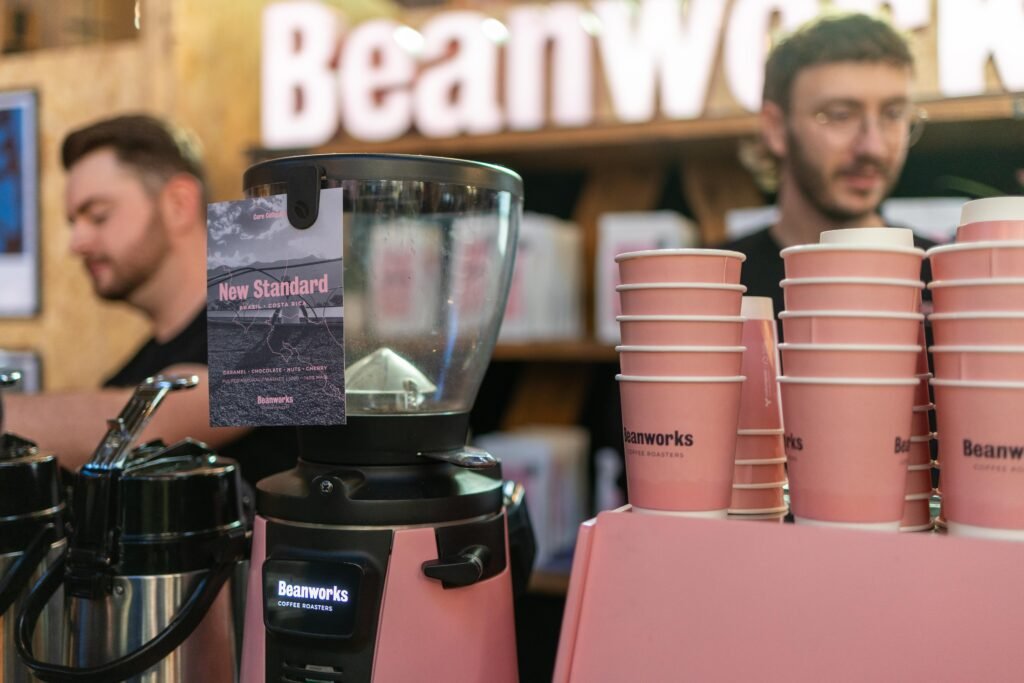
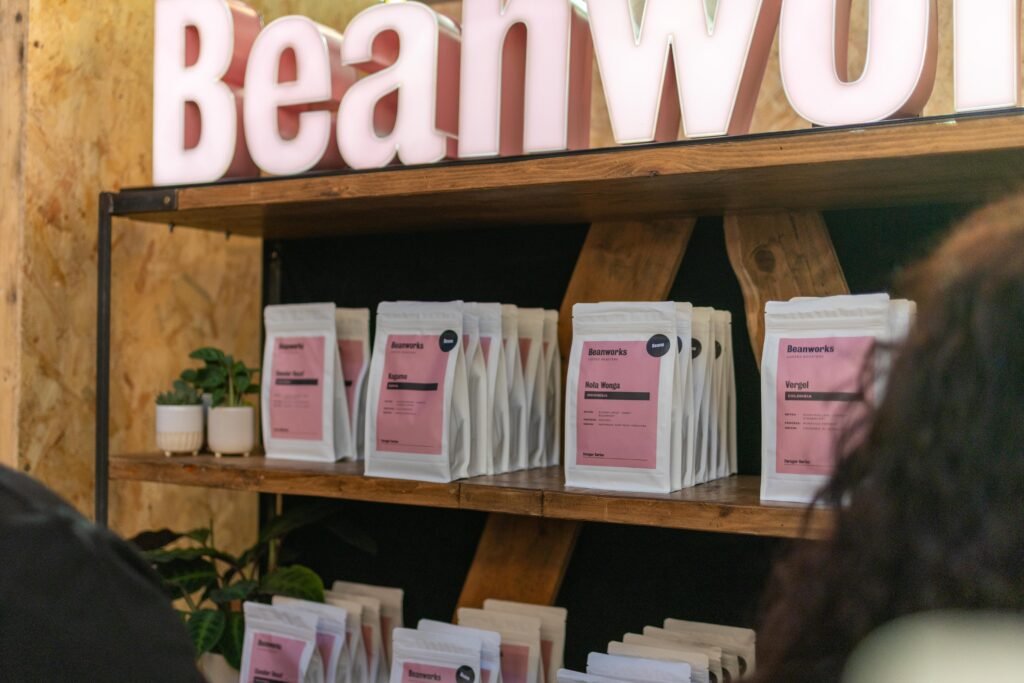
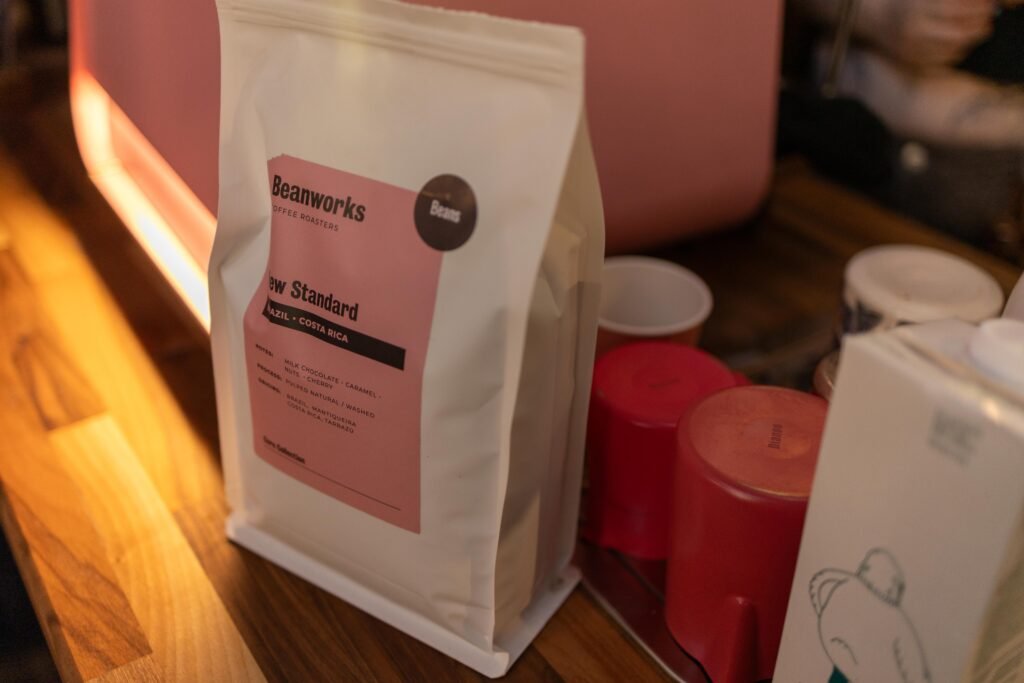
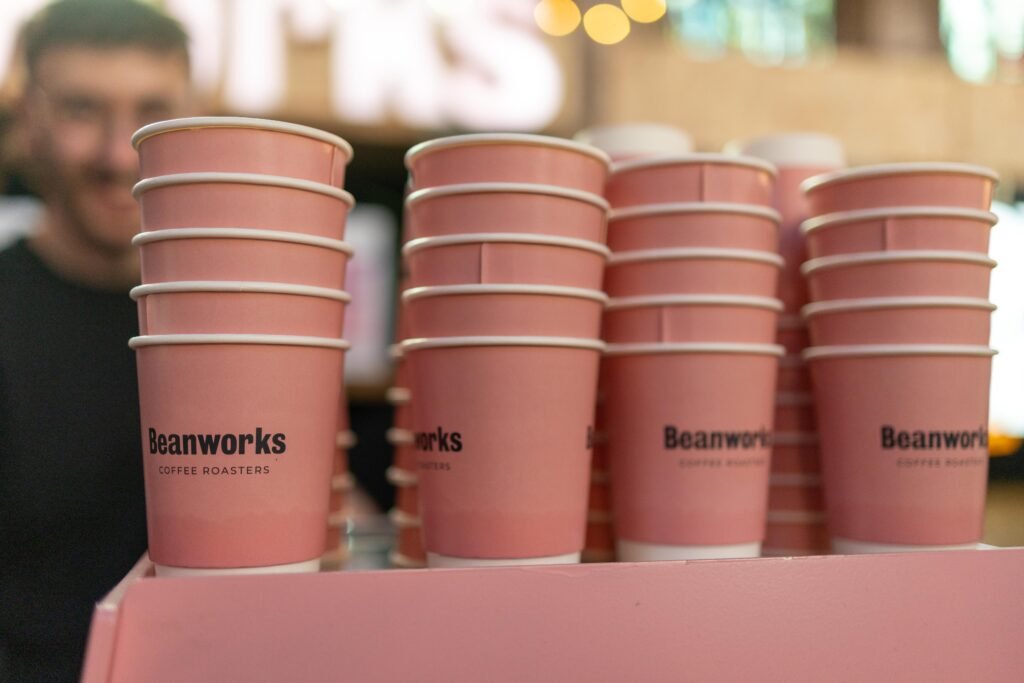
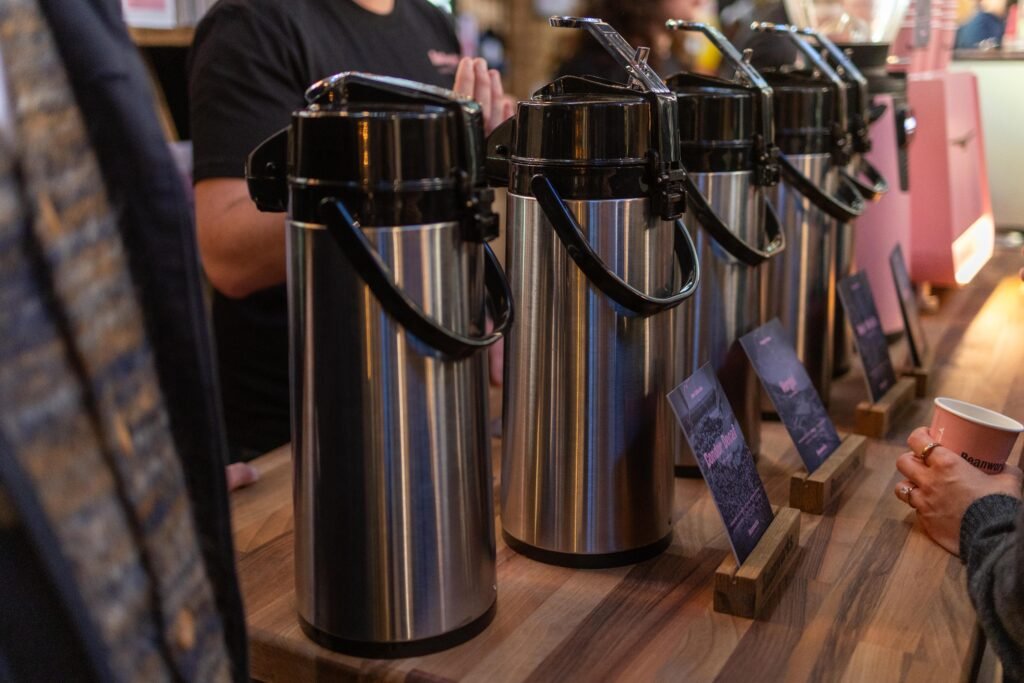
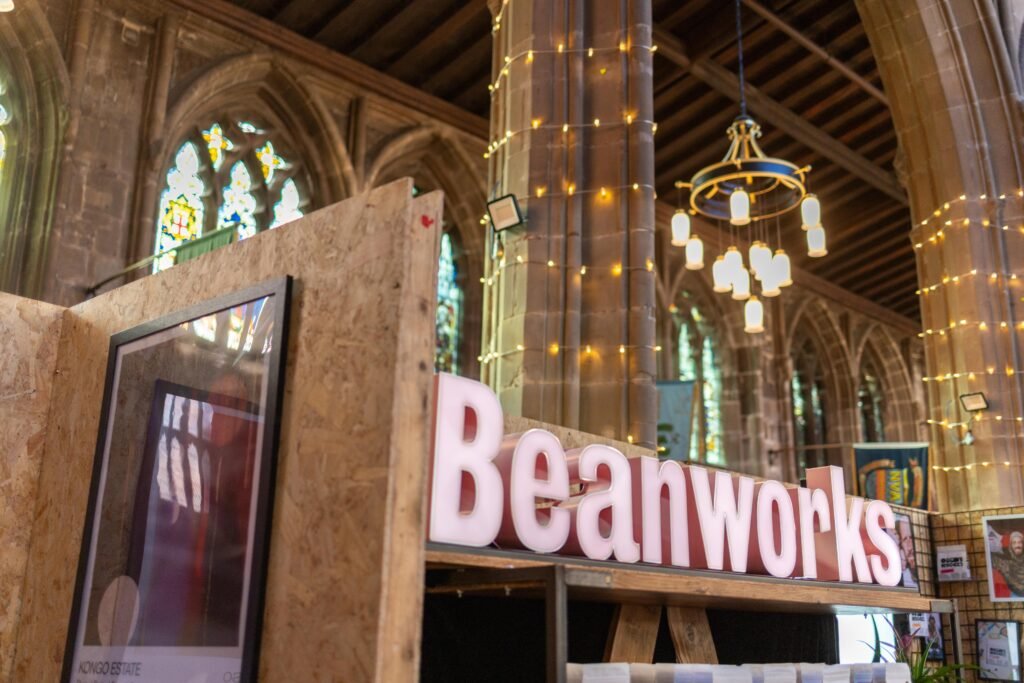
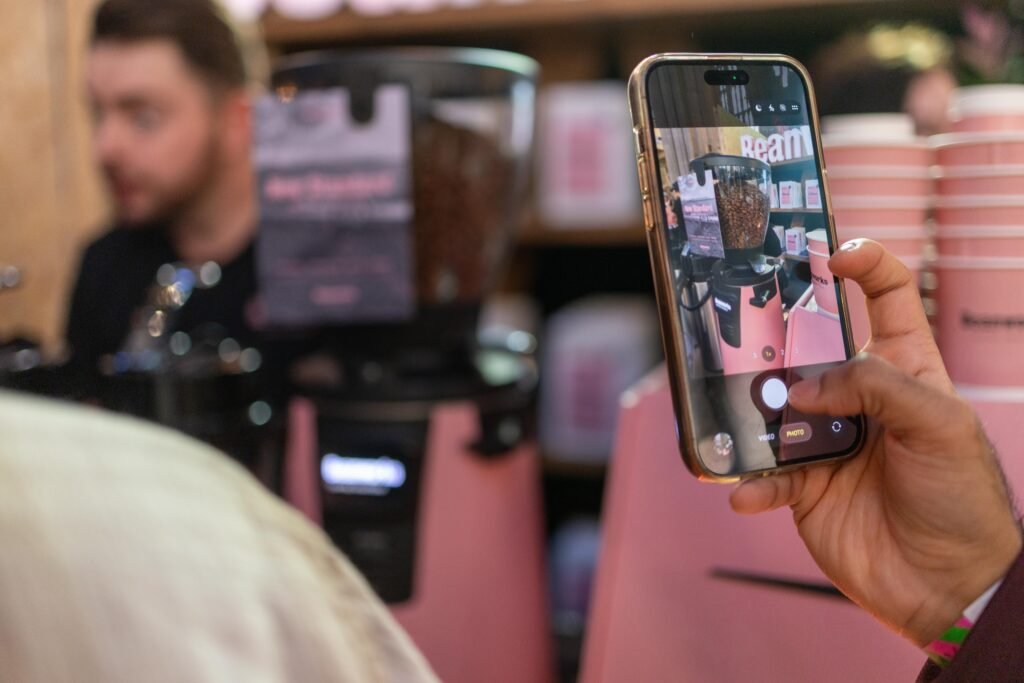
“It’s a weird and wacky story,” he laughed. What started as “a wood fired roaster on a trading estate in the middle of Derbyshire” has since moved to Northamptonshire and grown into one of the UK’s well-established specialty coffee roasters.
Beanworks has now been around for more than twenty years, growing alongside an industry that has transformed beyond recognition in that time. Yet when asked what has changed most about the company itself, Will’s answer wasn’t about equipment, volume or expansion.
“Beanworks has always primarily been about good quality people who know coffee, love coffee,” he explained. “That’s been kind of a through line for the business over the course of our 20 odd year history.”
Will described the early days as being filled with “a lot of enthusiasm and not a lot of knowledge”. Today, he said, Beanworks is built around a team that is “super knowledgeable” and “super passionate”. The goal, however, has never really changed.
“If I’m trying to distil what Beanworks has done over the last 20 years, we’ve kind of kept people at the heart of it,” he said. “Whether that’s our customers, whether that’s our team, everyone in between.”
While coffee festivals were once dominated by café owners and hospitality professionals, Will has watched the audience evolve. “Now it’s so much about talking about people’s day to day drinking experiences or figuring out what they like,” he said.
The conversations happening around the Beanworks stand spanned everything from home espresso machines to different processing methods. But rather than telling people what they should enjoy, the team seemed more interested in helping visitors discover their own preferences.
Looking over at the queue waiting to taste coffee and ask questions, I asked Will what he hoped people would take away from a visit to the stand.
“What I hope they find is unpretentious coffee that meets people where they’re at,” he said. “Coffee festivals are as much about finding what you don’t like as what you do.”
Beanworks Coffee Roasters | Courteenhall Rd, Blisworth, Northampton NN7 2QB | Instagram: @thebeanworks | Details checked: October 2026
The Decaf Revolution Starts on a Yorkshire Road: Nott Coffee
“How would you like a tremendous motorcycle route?” That was Dave’s opening line when I introduced myself. Dave is the founder of Nott Coffee and, before we’d even started talking about coffee, he was enthusiastically recommending a ride through Holmfirth and over Holme Moss, complete with sweeping views across Yorkshire and Derbyshire.
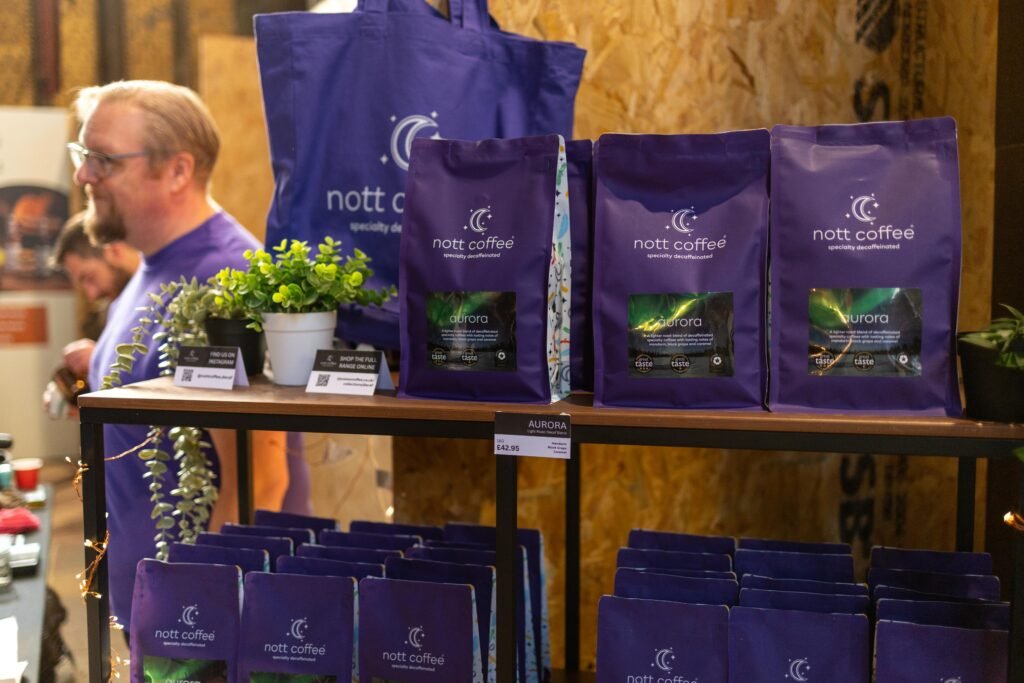
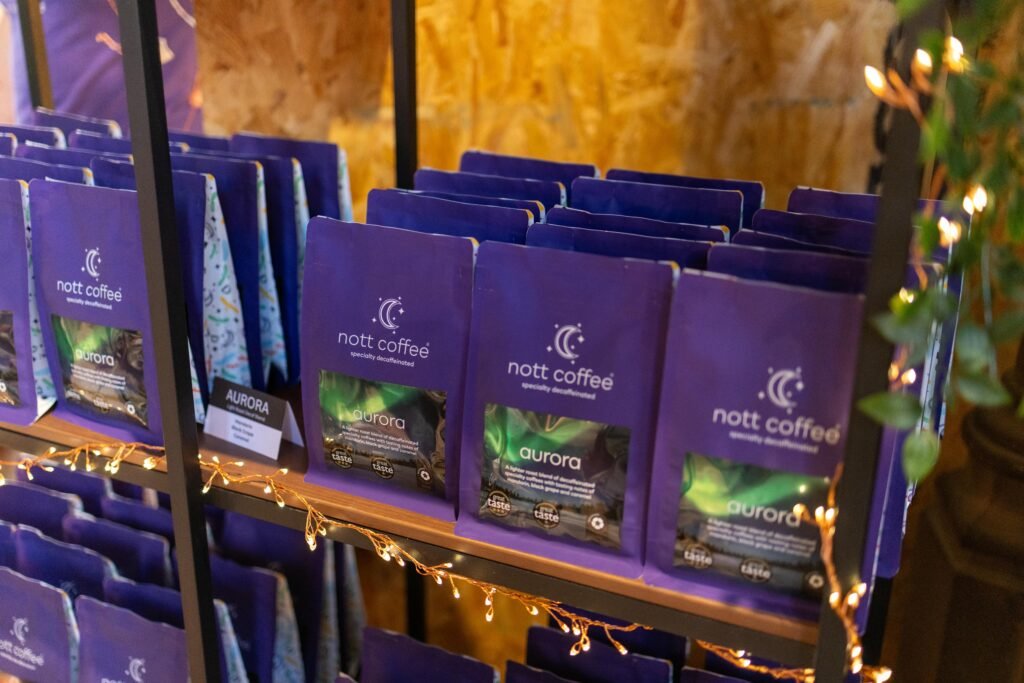
“We have a brilliant coffee shop in town called Bjorn,” he explained. “Then as you come out of town, you go up a hill called Holme Moss, which has got some really nice switchback hairpin bends, stunning views over the valley down into Derbyshire and it’s a beautiful place to ride a bike.”
As recommendations for a Motorcycle Grounds reader go, it’s hard to do much better.
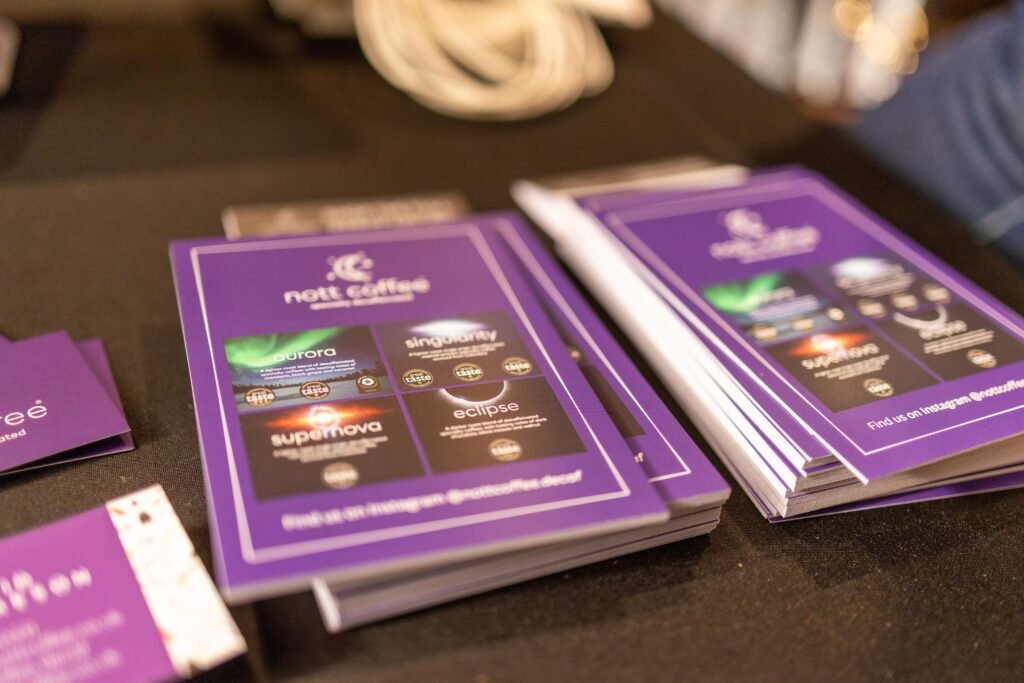
Eventually, though, our conversation turned to coffee. Dave’s brand, Nott Coffee, has a very specific mission: changing the way people think about decaf.
“People are really rude about decaf,” he said. “And they say things like, ‘Oh, it’s not coffee.’ So we’re reclaiming that and Nott Coffee is decaf.”
The name itself carries a double meaning. As well as being a playful nod towards the misconceptions surrounding decaf, it also references its intended audience. “It comes from the Old Norse for night because you can drink this all night, hence the moon and the stars.”
Dave believes specialty coffee has an opportunity to move beyond its traditional daytime boundaries. While many cafés close their doors long before evening, he sees a growing market for later opening and alcohol-free social spaces, with quality decaf playing a key role.
“Late night coffee shops are absolutely a target market because there’s already demand for it,” he said. “Coffee shops have a huge part to play in that.”
And despite decaf’s reputation among some consumers, Dave doesn’t think the quality gap exists anymore.
“We already have access to fantastic single origins, great blends, fantastic producers doing really innovative stuff with decaf,” he said. “It’s not something that we need to build. It’s something that we need to scale.”
I asked Dave what aspect of coffee is most overlooked. “For me personally, blending is a wildly underappreciated skill,” he said. “Someone who can blend coffee really, really well is every bit as much of an important artist in the supply chain of coffee as the farmer or the barista.”
He pointed to Nott Coffee’s own range as evidence. By combining coffees that are already exceptional on their own, the team can create something even better.
“The blend actually tastes better than either of the single origins on its own,” he said. “When we blend them, it just elevates them and makes them more complex.”
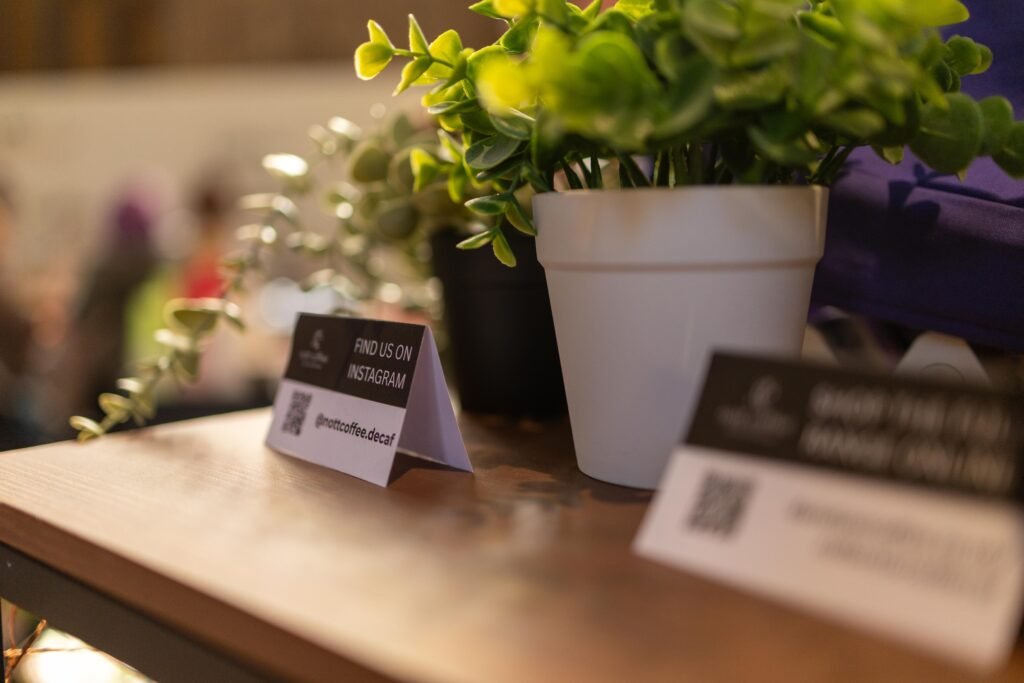
Nott Coffee Specialty Decaffeinated | Unit D11, Gate 4 Meltham Mills Industrial Estate, Meltham, Holmfirth, HD9 4DS | Instagram: @nottcoffee.decaf | Details checked: October 2026
Leaving Corporate Behind for Coffee: Tilted Coffee Roasters
“It’s my first time at Nottingham Coffee Festival.” For someone attending for the first time, Kris, owner and roaster at Tilted Coffee Roasters, looked right at home. The Cheshire-based roastery launched in 2022, but for much of its existence coffee has shared space with another career.
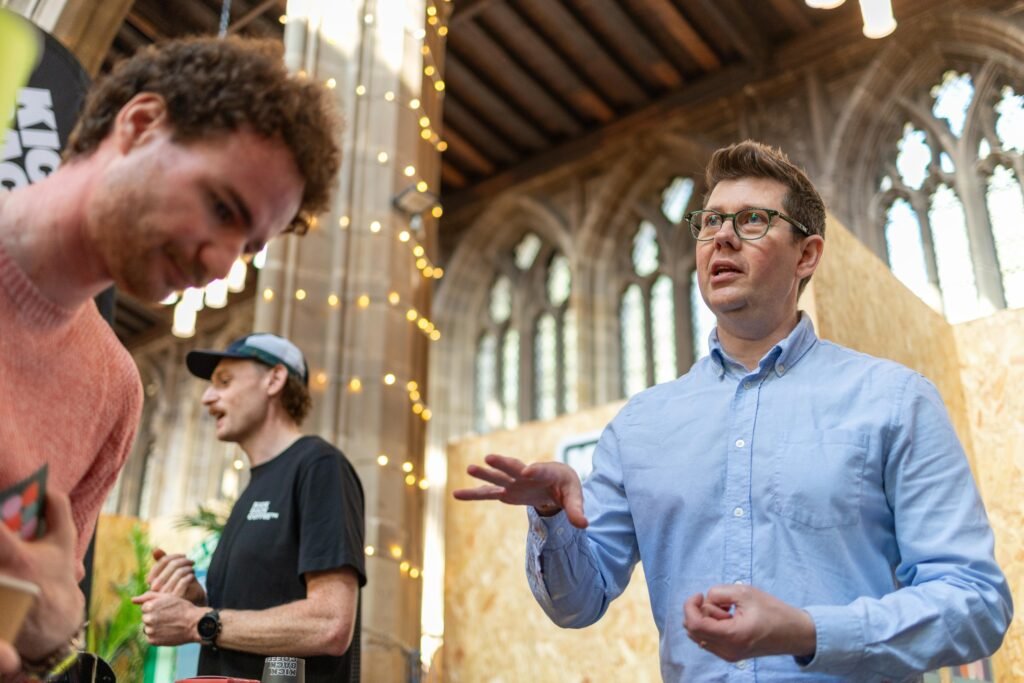
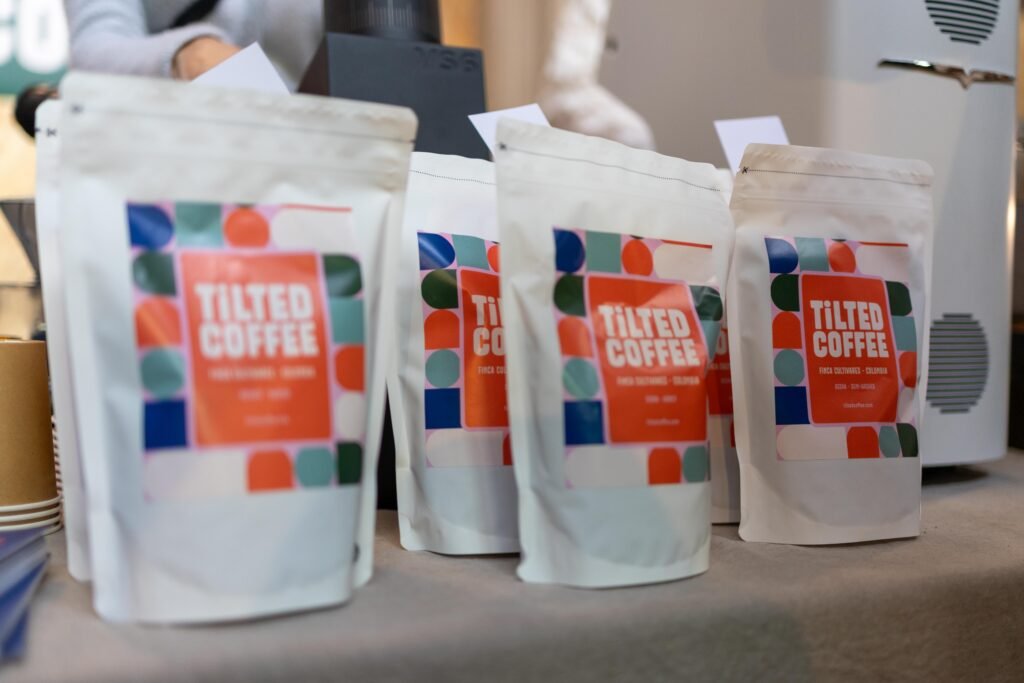
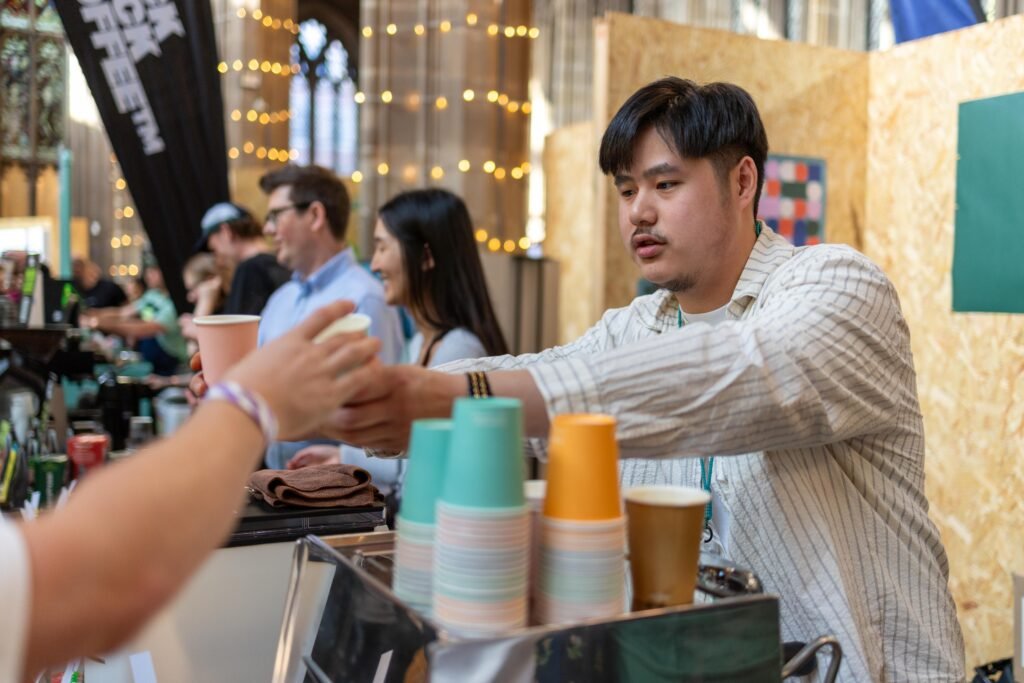
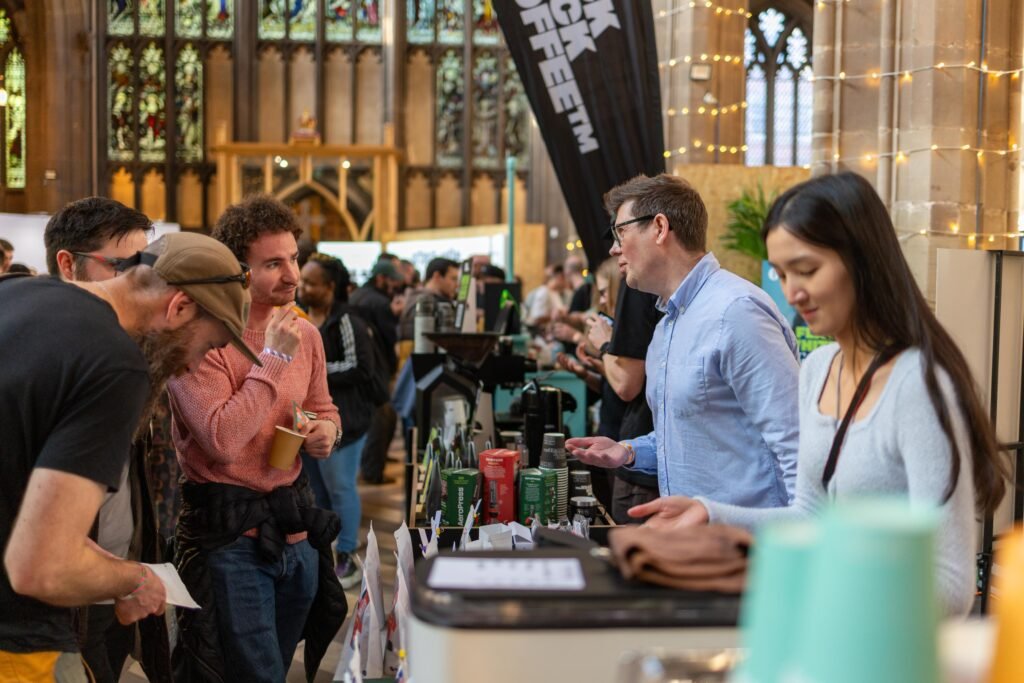
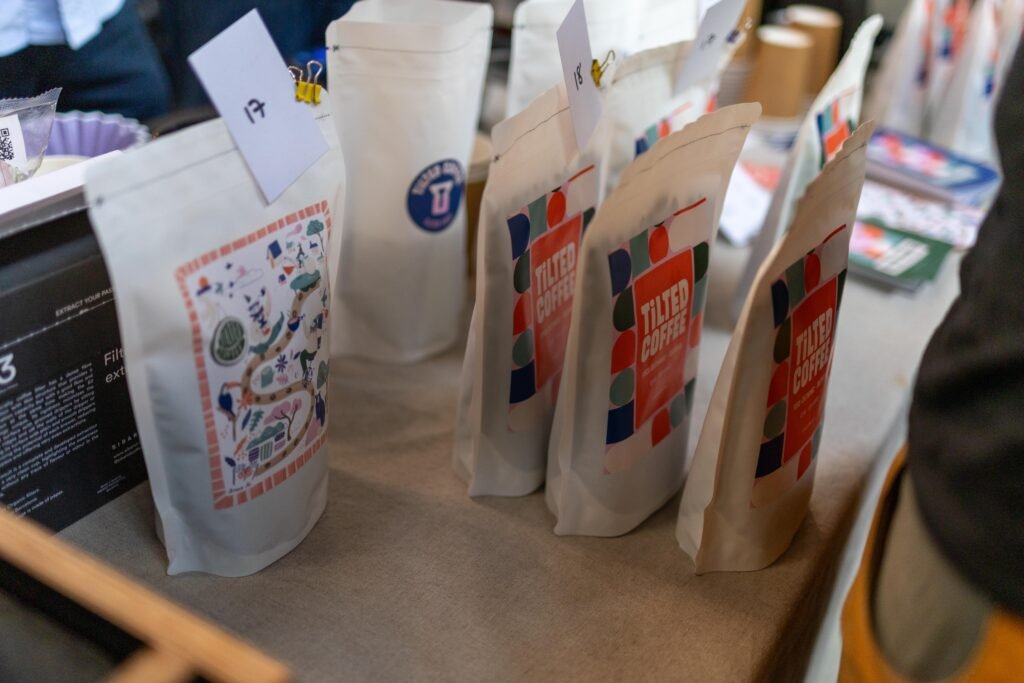
“For the last few years I’ve balanced it with other work,” Kris explained. “Working in corporate Monday to Thursday and doing coffee Friday to Sunday.” That balancing act is about to end. “From January ’27 I’m going to be 100% coffee,” he said. “So really excited about that flip now.”
It’s a big step, but speaking to Kris, it felt like a natural progression rather than a leap into the unknown. Coffee is clearly more than a business. It’s a craft he enjoys sharing with others.
When I asked what he hoped visitors would take away from trying his coffees, his answer was all about discovery. “I love to see people’s eyes light up when they try something and get something they weren’t quite expecting,” he said.
His coffees predominantly come from Colombia and Guatemala, regions he loves for their variety and versatility. “I really enjoy the fruity, acidic coffees that work well as a modern espresso or as a vibrant filter,” he said.
Kris prefers to create tasting packs that allow customers to compare varieties and processing methods side by side. Different bourbon varieties, different fermentations, different approaches, all designed to broaden someone’s understanding of what coffee can be. “I like people being able to have the opportunity to try different things and see what works for them and also just broaden their experience.”
Ask Kris about common mistakes and he doesn’t start talking about scales, kettles or equipment. “Maybe some common mistakes are getting yourself lost in what everybody else says and what everybody else thinks is right or wrong,” he said.
Instead, he advocates experimentation. “A recipe written on a board somewhere isn’t necessarily going to work for you,” he explained. “Just approach things with care, curiosity and what works for you.”
As for leaving the corporate world behind, there was one thing he was looking forward to most. “This is my brand and this is a product that I really care about,” Kris said. “Everything I do has a direct impact on the people I get to interact with.”
Tilted Coffee Roasters | Cheshire | Instagram: @tiltedcoffeeroasters | Details checked: October 2026
For the Explorers: Outpost Coffee
“We’ve actually launched a bit of a rebrand today.” When I caught up with Jamie, Wholesale Manager and Trainer from Outpost Coffee, there was plenty happening around the stand. New coffees were being brewed, visitors were working their way through the menu and, perhaps most significantly, the Nottingham roaster was unveiling a fresh new look.
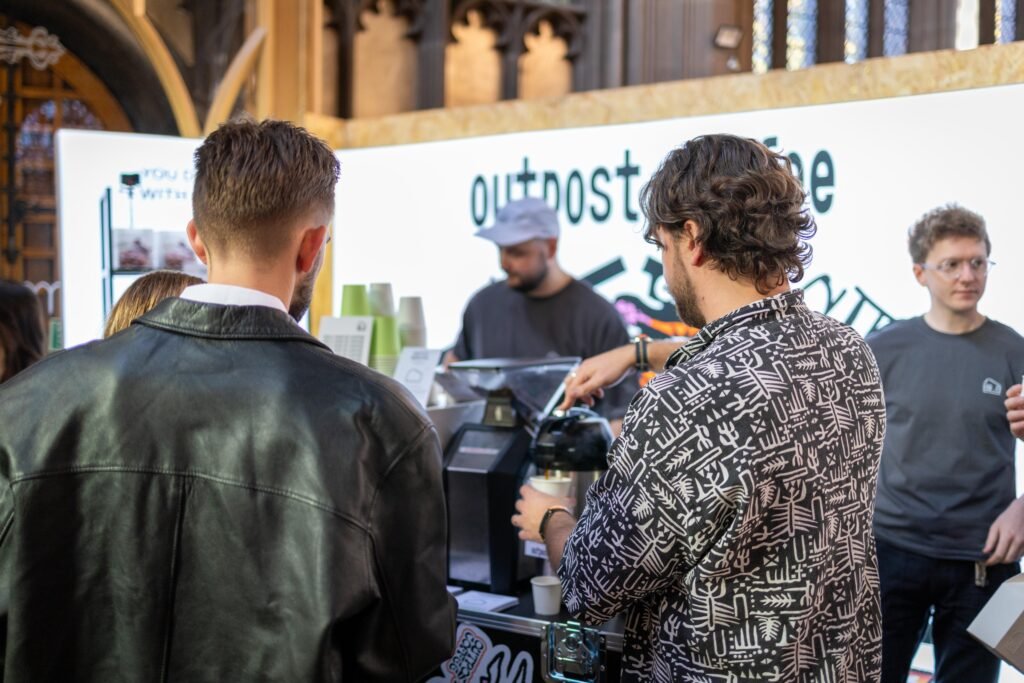
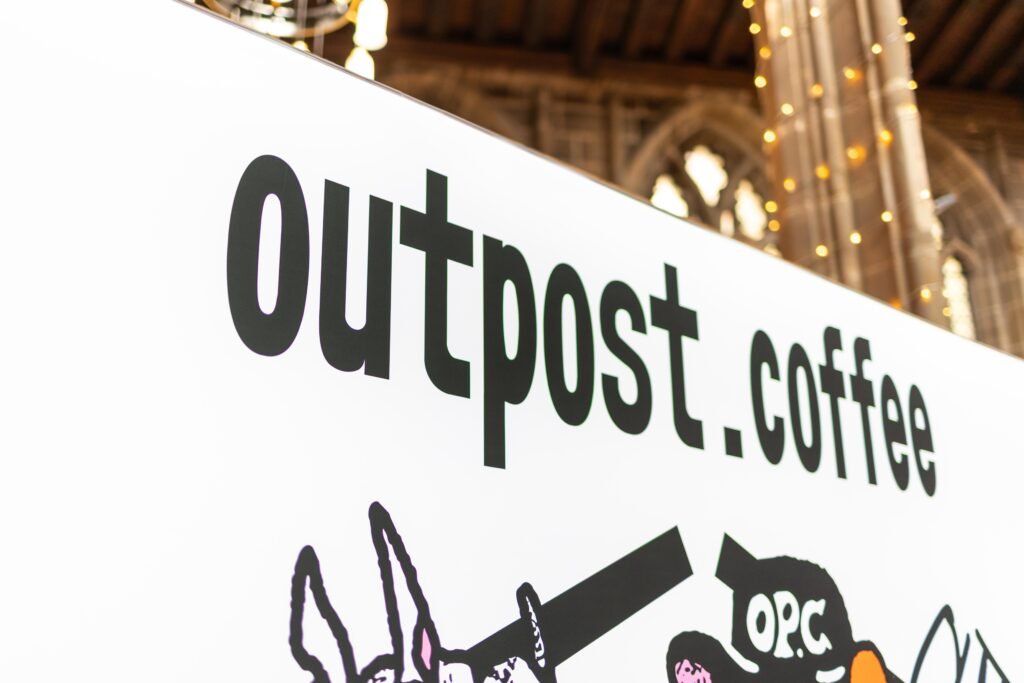
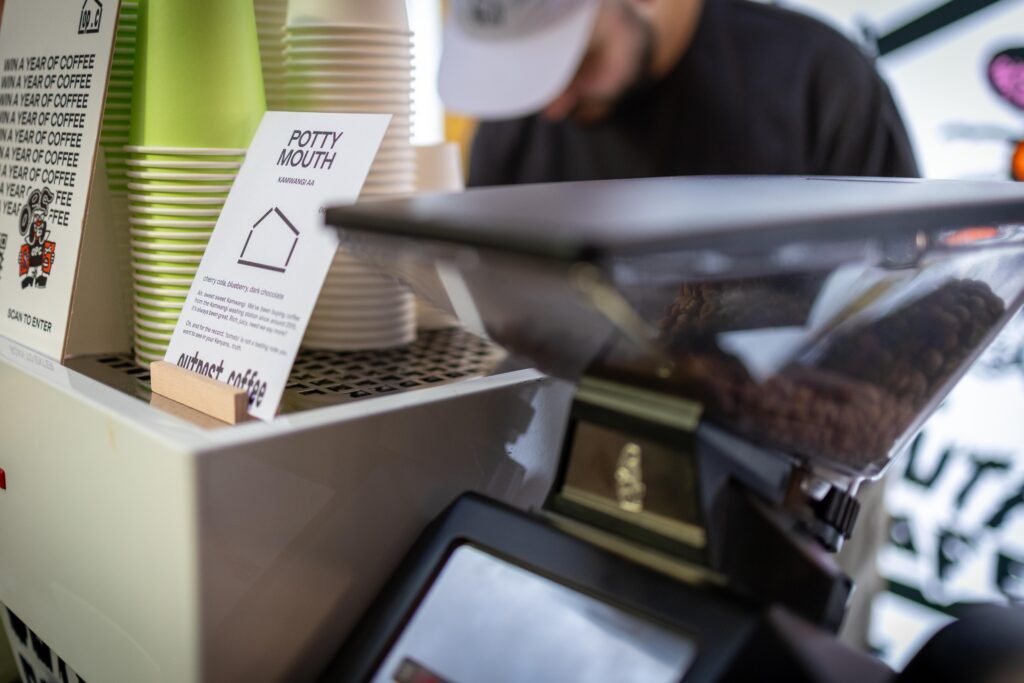
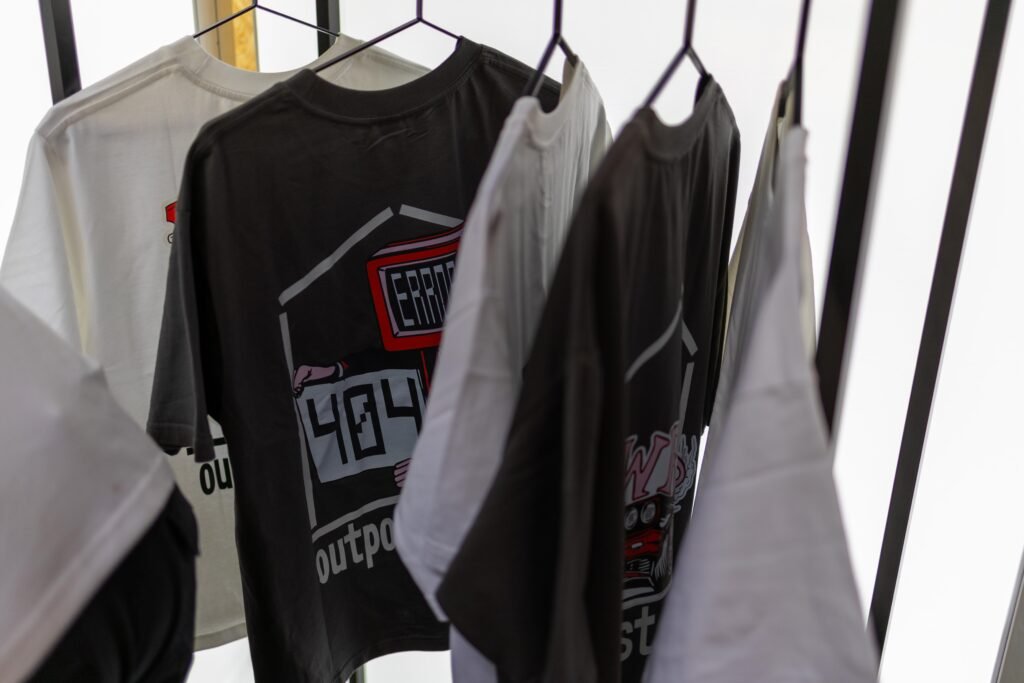
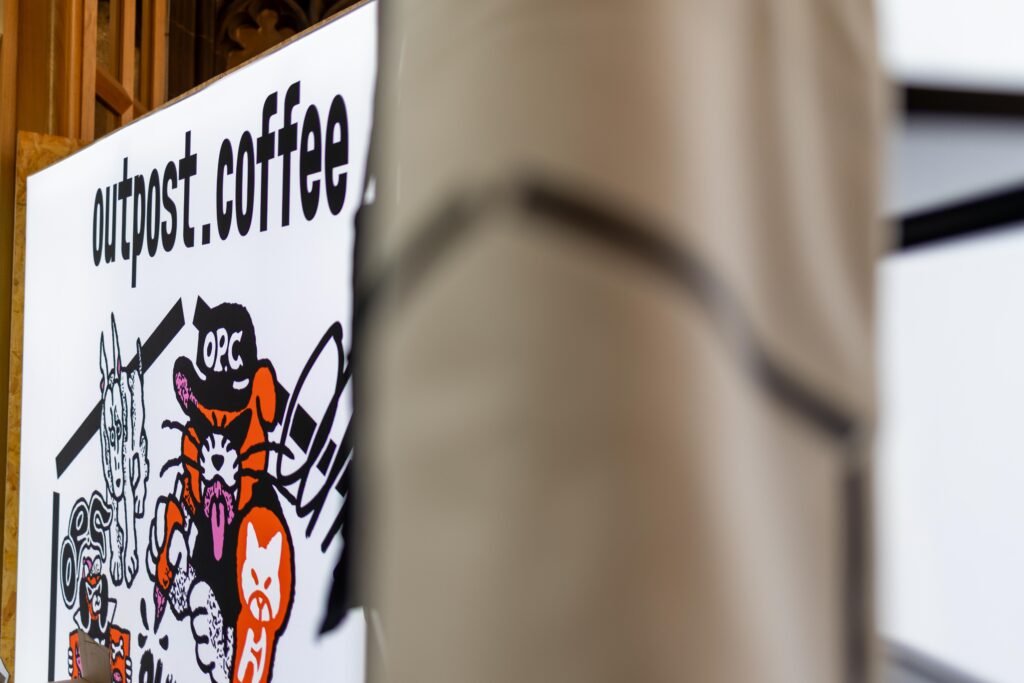
For a business that has been part of the specialty coffee scene since 2014, it marks the start of a new chapter.
“We started as a coffee shop, eventually transitioned into roasting as well,” Jamie explained. “We’ve been a Nottingham brand ever since we started.”
Outpost is firmly connected to the city, so getting to this festival was never up for debate. “Nottingham is a really good one because it’s small but still attracts all of the big good brands as well,” Jamie said. “You can come along and really enjoy not just the Nottingham coffee scene but the wider specialty scene as well.”
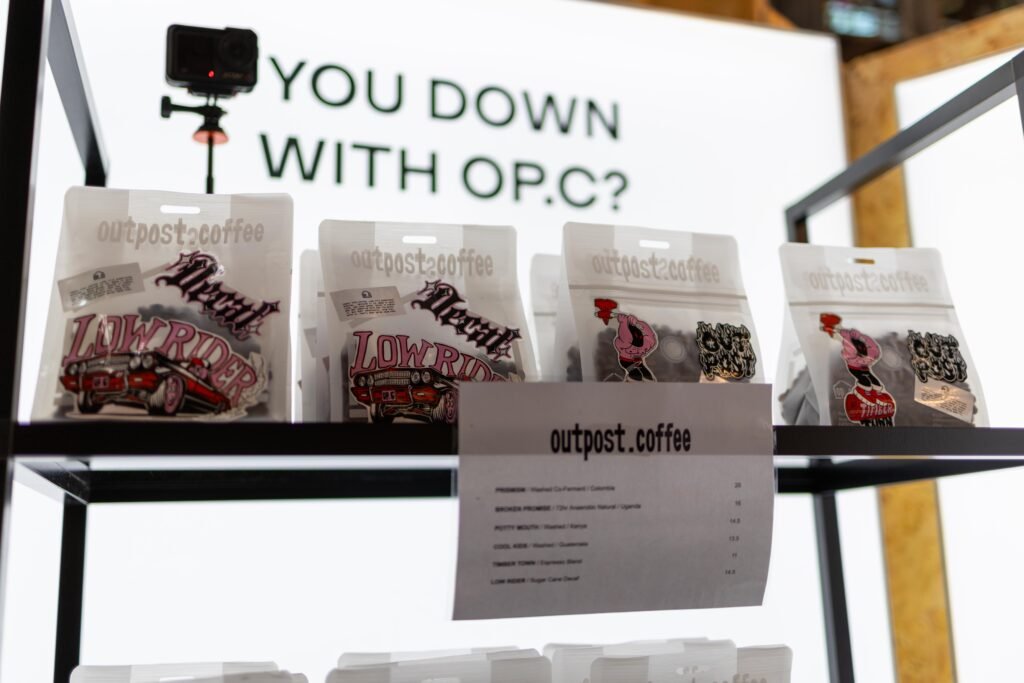
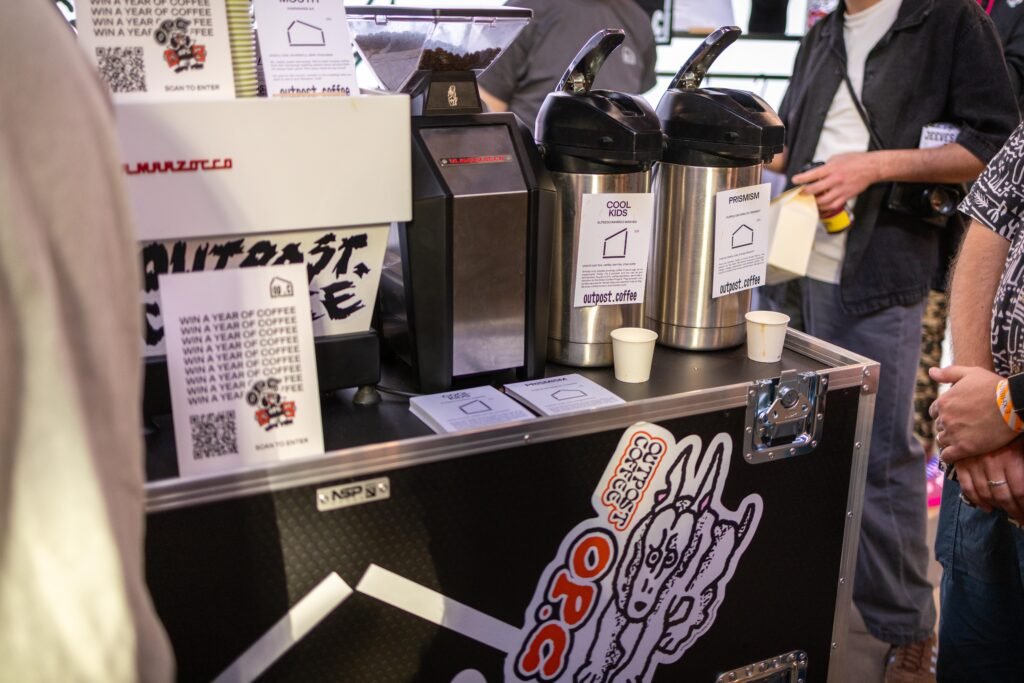
On the stand, visitors had the opportunity to experience both sides of Outpost’s coffee philosophy. One coffee, a washed Guatemalan called Cool Kids, was designed to be approachable and easy drinking. “I’ve kind of been saying to people that it’s a chuggable coffee,” Jamie laughed.
Alongside it sat something far more adventurous. “Prismism is the polar opposite really,” he said. “You’ve got a fruit co-ferment yeast-inoculated Colombian coffee. It’s got all those buzzwords and it’s super fruity and a bit out there.”
Giving coffee lovers something new to discover fits right in with the mission of the brand. “We are a coffee brand for the explorers,” Jamie said. “We’re always switching up the single origins that we’ve got available all year round.”
On the rebrand front, while the familiar pink and white colours remain, the wider look and feel has shifted in a more creative direction. “We’ve just decided to go for it really,” Jamie said. “We’re leaning into skate culture a little bit, like punk scene kind of feel. It’s a bit more handmade.”
The new identity draws inspiration from streetwear, skate culture and the punk scene, with packaging designed around a modular concept that allows local artists to contribute artwork through interchangeable stickers and graphics.
The branding may have evolved, but the mission remains the same: sourcing exciting coffees and sharing them with people who are curious enough to keep exploring.
Outpost Coffee Roasters | 32 Salisbury Square, Lenton, Nottingham NG7 2AB | Instagram: @outpostcoffeeroasters | Details checked: October 2026
Five stands, five very different routes into coffee, and one thread running through all of them: people. But the day was only just getting started. In Part 2, I introduce you to five more exhibitors, each with their own story, craft and approach to coffee.
Also read: A Day at Bristol Coffee Festival.