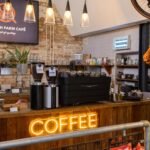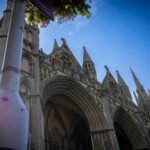


I set off early on the bike from St Albans to the Oxford Coffee Festival. It was a cold start, certainly, but the sky was clear. At this time of year, you can’t ask for much more.
The festival made its debut in 2025 and has added more exhibitors this year. I caught up with Ed, co-founder of the festival, and will share that interview in Part 2 of this story.
After saying hello to a few friends I met at the Nottingham Coffee Festival, namely Will from Beanworks and Omar from Saints of Mokha, I got to work and made my rounds. I interviewed ten exhibitors in all, and here are the first five.
From Missing Australian Coffee to Eight Oxford Shops: Missing Bean
The first stand I visited belonged to Oxford-based roaster and café group Missing Bean.
Before talking coffee, we talked motorcycles. Having ridden over to the Oxford Coffee Festival that morning, I was still in my bike gear when coffee buyer Silviu spotted the connection. He told me he used to own a Suzuki SV1000S, describing it as “very similar to a Ducati, but it’s a Suzuki, which makes it more reliable and cheaper.” Between serving customers and chatting with visitors, he then reflected on how a coffee shop opened by a couple who couldn’t find good coffee grew into the multi-site business that is now Missing Bean.
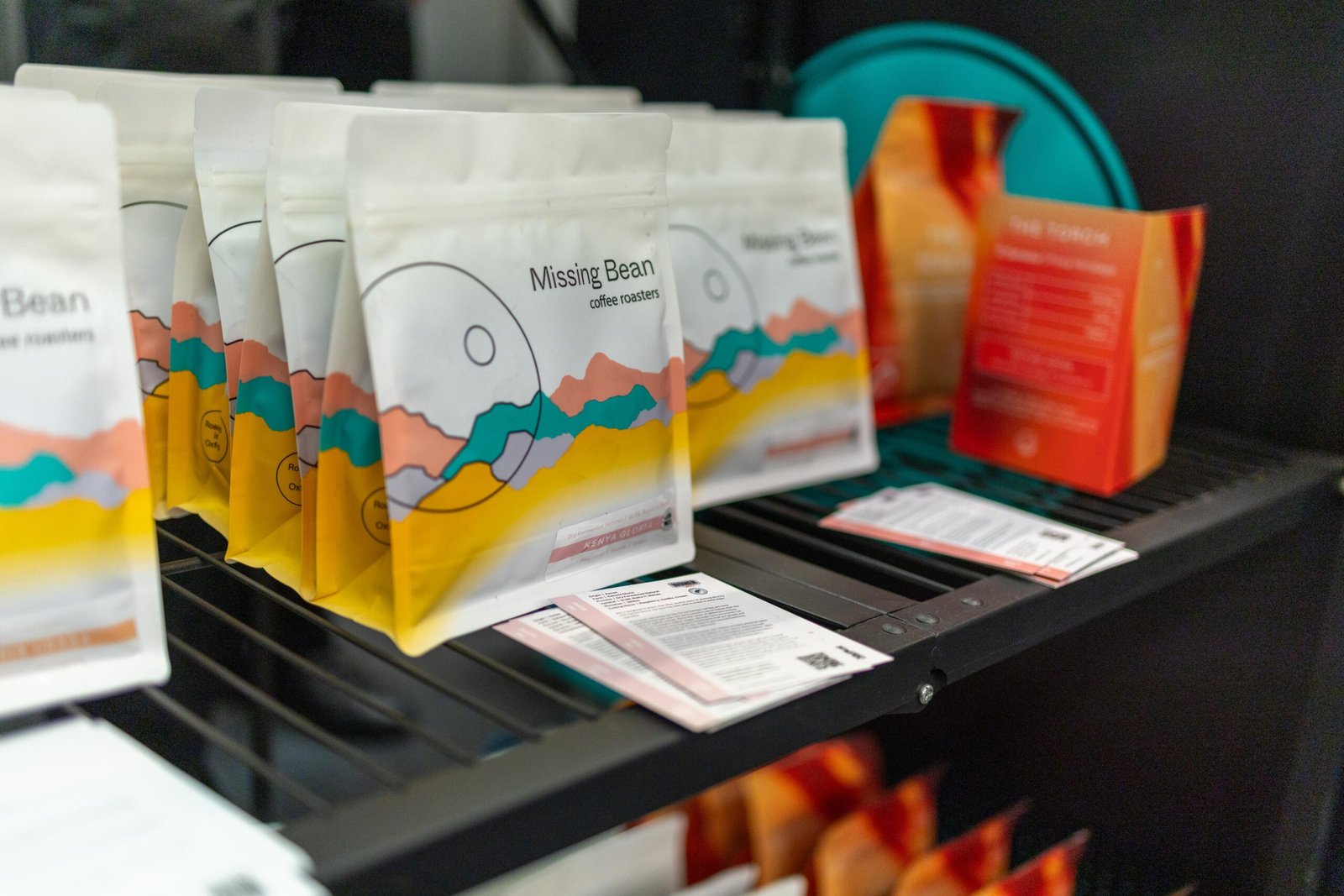
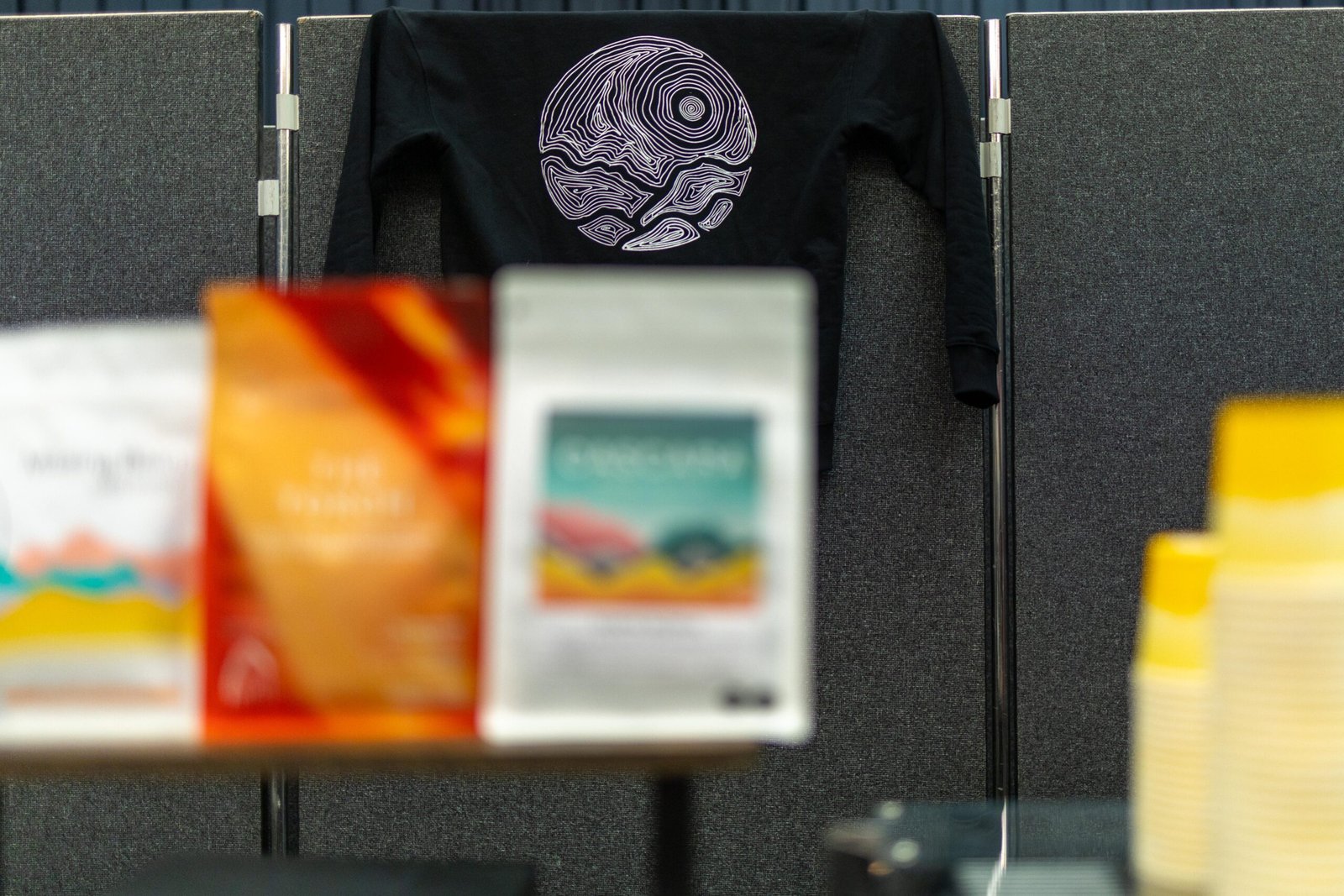
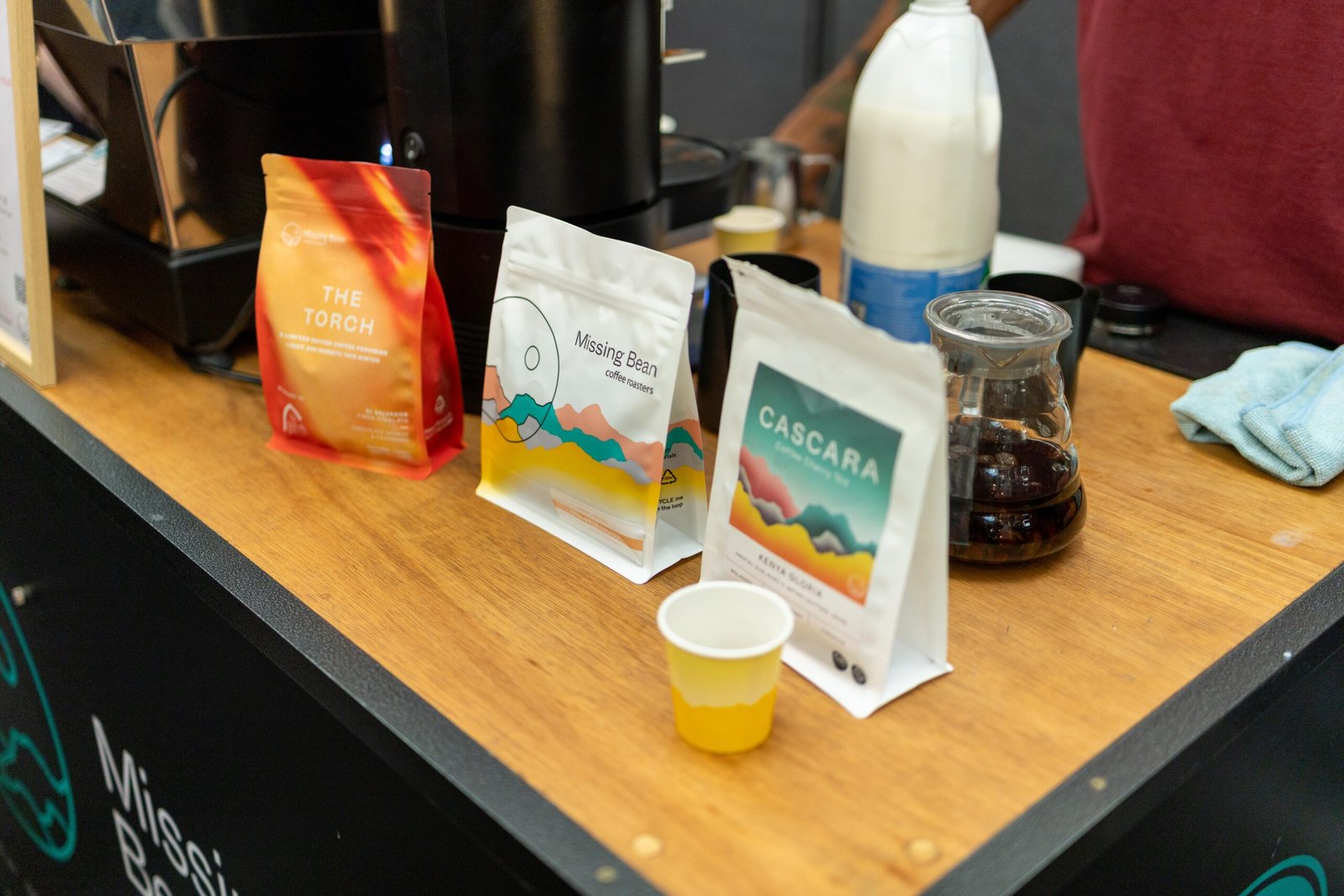
“Missing Bean started in 2009 because two students that were a couple used to study in Australia,” he explained. When they returned to Oxford, they struggled to find work in the film industry, but they encountered another problem too. “They also couldn’t find really good coffee in Oxford, like they had in Australia.”
The solution was simple: open a coffee shop themselves.
“It became a success,” said Silviu. “With students and the professors around, there’s lots of universities, everybody went to the shop. It became really busy, and it just grew.”
That growth has continued steadily and there are now eight shops, alongside a bakery and a new chocolate-making venture. “We started making chocolates in the last couple of months,” he said. “So yeah, we’re good. In a good space.”
Coffee cherry tea and long-term farmers at Oxford Coffee Festival
At the stand, Silviu was also serving something unexpected: a tea made from dried coffee cherry. The cherry is usually a by-product of processing, he explained, but some farmers clean and dry it properly to earn extra income. Brewed, it makes a tea that still contains caffeine, with a little acidity and sweet, fruity notes. “It’s really nice,” he said.
Silviu told me how Missing Bean commits to farmers over the long term.
“We buy about 75 to 80% of the coffees we sell directly from farmers that we work with for many years,” said Silviu. “Right now we have some farmers that we worked with for seven or eight years and every year we buy the same coffee from them.”
That consistency comes with challenges. Coffee harvests change from year to year due to weather and growing conditions, meaning the same coffee can taste different each season.
“The coffee is not the same every year,” he said. “But we try to keep our relationships with the farmers.”
The roasting team then works to bring out the best qualities in each coffee through repeated testing and small-batch roasting. “We do multiple small roasts in a sample roaster and we see what works,” Silviu explained. “Sometimes we try to get more acidity, more sweetness.”
Even when sourcing additional coffees from importers, the goal is not novelty for novelty’s sake. “We just try to find something that would fill that gap and that we enjoy,” he said, before summing up the flavours that consistently appeal to the team: “Coffee that’s sweet, a bit of fruity notes, a bit of acidity.”
Missing Bean | 1, Newtec Place, 66-72 Magdalen Rd, Oxford OX4 1RE | Instagram: @missingbeanroasters | Details checked: November 2026
From Roasting by Moonlight in a Back Garden to a Hampshire Coffee Roastery: Moon Roast Coffee
The name Moon Roast Coffee founder Fran Bradshaw chose for his business comes from the reality of building a coffee company after hours.
In 2012, Fran commissioned a Probat roaster in a small barn in his back garden and began roasting at night after a day’s work. “He was still working full time by day,” explained Dan, Moon Roast’s Head Roaster. “So with the name Moon Roast, he was roasting in the evening by the light of the moon.”

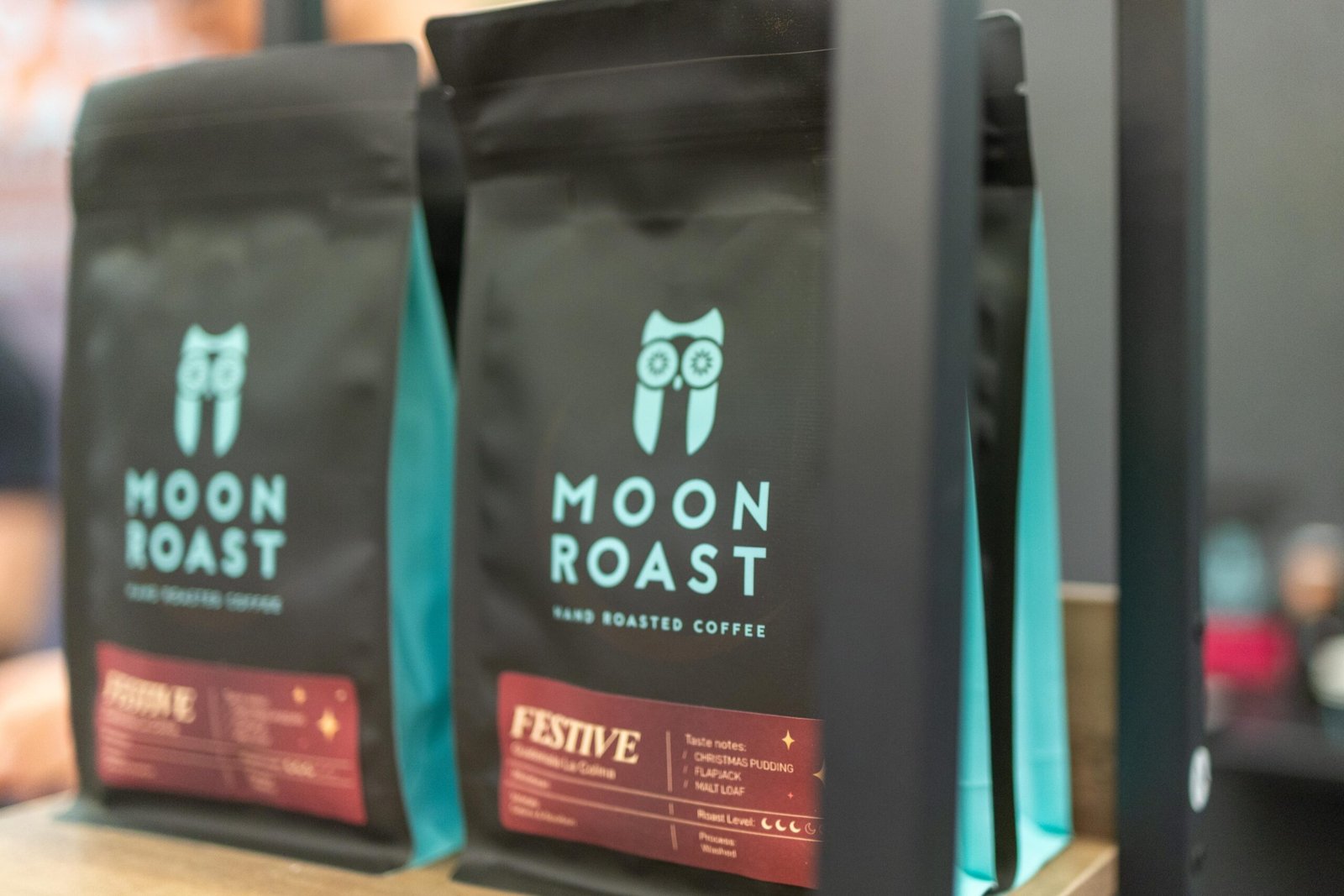


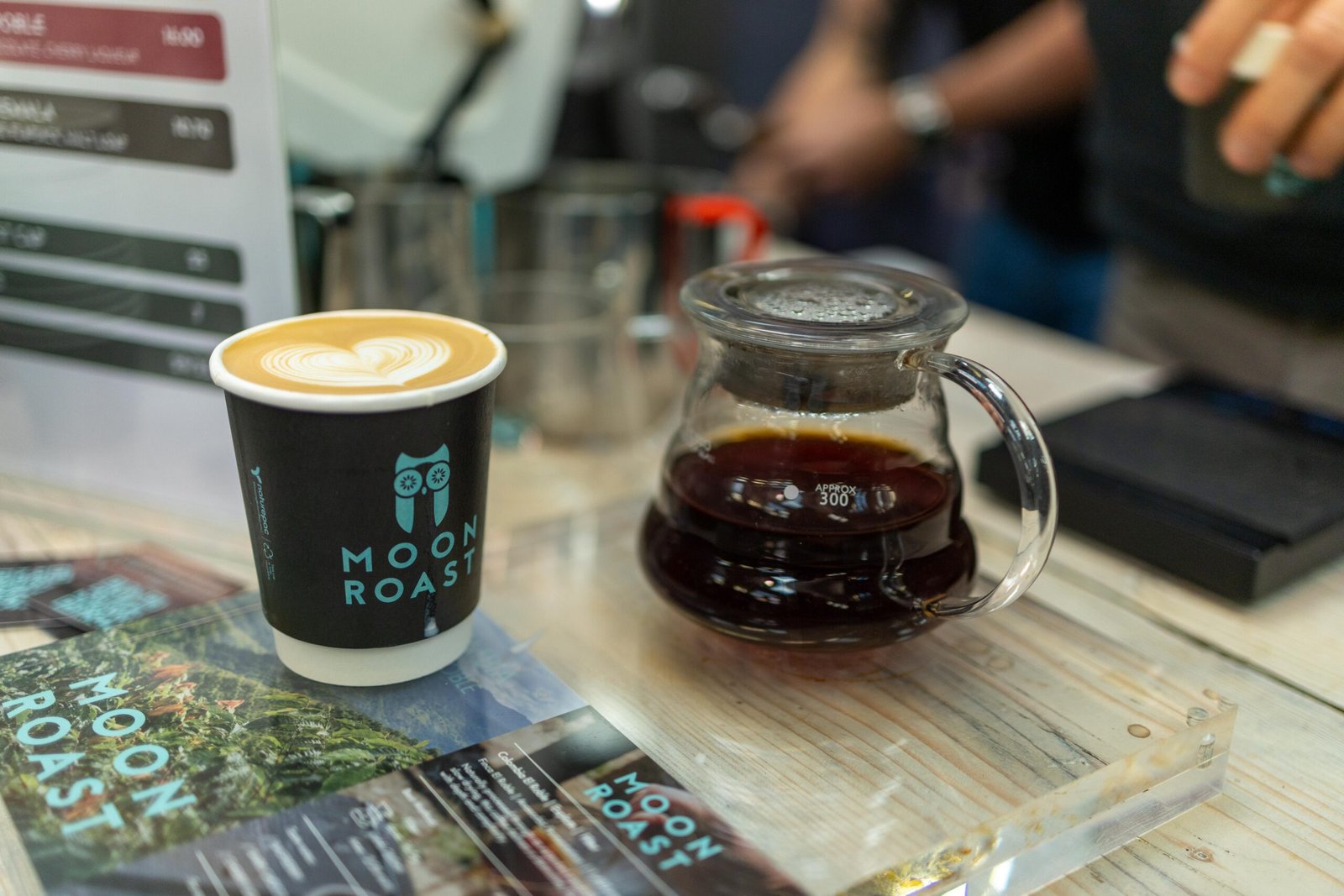
It all soon outgrew its modest beginnings. As demand for the coffee increased, Fran left his full-time job and committed to the business full-time alongside his wife.
“He was starting to get busy and busier, getting more wholesale. So he quit his full-time job, starting Moon Roast full time with his wife,” said Dan. “Still kept it in the house, but it slowly took over more parts of the house, like the kitchen.”
From a back garden barn to a farm roastery
By 2017, Fran had moved two miles up the road to Chilton Candover, where the company converted part of the farm into a dedicated roastery.
“We got our Probat in and slowly built up wholesale and retail over the years,” Dan said.
The farm is also home to The Yard café, which opened in 2020 and serves Moon Roast coffee, giving customers a chance to connect directly with the brand.
“It’s been a good way to shine a light on what Moon Roast is,” Dan explained.
Today, the roastery supplies cafés and restaurants across Hampshire, while also showcasing its coffees further afield at events such as the Oxford Coffee Festival.
While Moon Roast’s core range is built around approachable coffees for its wholesale customers, the team has increasingly embraced experimental lots.
“We’ve got an anaerobic natural Colombia and another Colombia which has been co-fermented with wine yeast and peaches,” said Dan. “So it’s really the high side of specialty coffee.”
Behind those coffees are two roasters, a Probat 25 and a Loring 35, which use different heat dynamics. Dan said the Loring took a couple of years to understand, particularly its off-gassing, while the traditional drum Probat makes a medium-bodied roast easier to achieve.
Dan has spent a decade with the company, joining as its first employee and growing alongside the business.
“I’ve been there for ten years now,” he said. “Started off as the first employee, as the packer, barista trainer, seeing it in the back garden and then moving up with Fran up to the big roaster. Now we’ve got a team of ten.”
Moon Roast | Chilton Manor Farm, Chilton Candover, Alresford SO24 9TX | Instagram: @moonroastcoffee | Details checked: November 2026
From One Horsebox to Three Oxford Coffee Outposts: Dark Horse Roastery
For many coffee businesses, the name comes first. For Emily, founder of Dark Horse Roastery, the story began with a horsebox.
“The original inspiration was actually my childhood horsebox,” she explained. “We started in 2014. I converted my childhood horsebox into a mobile coffee shop.”


It eventually grew into a roastery, launched in 2018. But even as the company expanded, Emily wanted the brand to stay connected to its roots.
“Dark Horse Roastery was essentially named in memory of one of the original horses that travelled in the horsebox,” she said. “All of our house blends are pretty much named after horses.”
The name, however, carries a broader meaning than a nod to the company’s equestrian beginnings.
“Dark Horse is about all the hidden people in coffee and all their hidden talents,” Emily said. “It’s about recognising and rewarding and saying thank you to everyone that helps produce a delicious cup of coffee.”
Dark Horse Roastery at Oxford Coffee Festival: people, planet, flavour
The company works directly with producers around the world and supports local communities through barista training and nationally recognised qualifications.
I asked what sets Dark Horse apart in an increasingly crowded specialty coffee market. “It’s people,” she said. “Our ethos is people, planet, flavour.”
The company has built a reputation on approachable specialty coffee, something Emily believes is crucial if the industry is going to continue growing.
“We have a big focus on trying to make specialty coffee really fun and accessible,” she said. “Building really good relationships with our wholesale partners and the support that we offer them, and also our commitment to sustainability.”
That commitment recently saw the company achieve B Corp certification, providing a framework for continuous improvement.
“Everything we do, we think of the planet,” Emily said. “We’ve recently become B Corp certified. So that’s some kind of formal framework to keep working and improving in that area and in all areas.”
Horseboxes, 2CV vans and the roastery
In addition to the roastery, the company operates three converted horseboxes across Oxford sites including the Natural History Museum, the Arboretum and the Botanic Gardens, alongside a couple of vintage 2CV coffee vans.
“We’re still very much an events business and that’s how we started,” Emily said. “We love getting out and about in the countryside, in our local community, serving coffee, but obviously the roastery is where my heart is.”
Dark Horse Roastery | Unit 12, Highlands Farm, Brightwell-cum-Sotwell, Wallingford OX10 0QX | Instagram: @darkhorseroastery | Details checked: November 2026
From a Garden Shed and a Mini Full of Beans to a Coffee Festival: Moneyrow Beans
For Vicky, the founder of Moneyrow Beans, coffee was never just about what was in the cup. From the beginning, it was about people, connections and the communities that grow around them.
The roastery takes its name from the road where she lives, a deliberate choice that reflected her ambitions for the business.
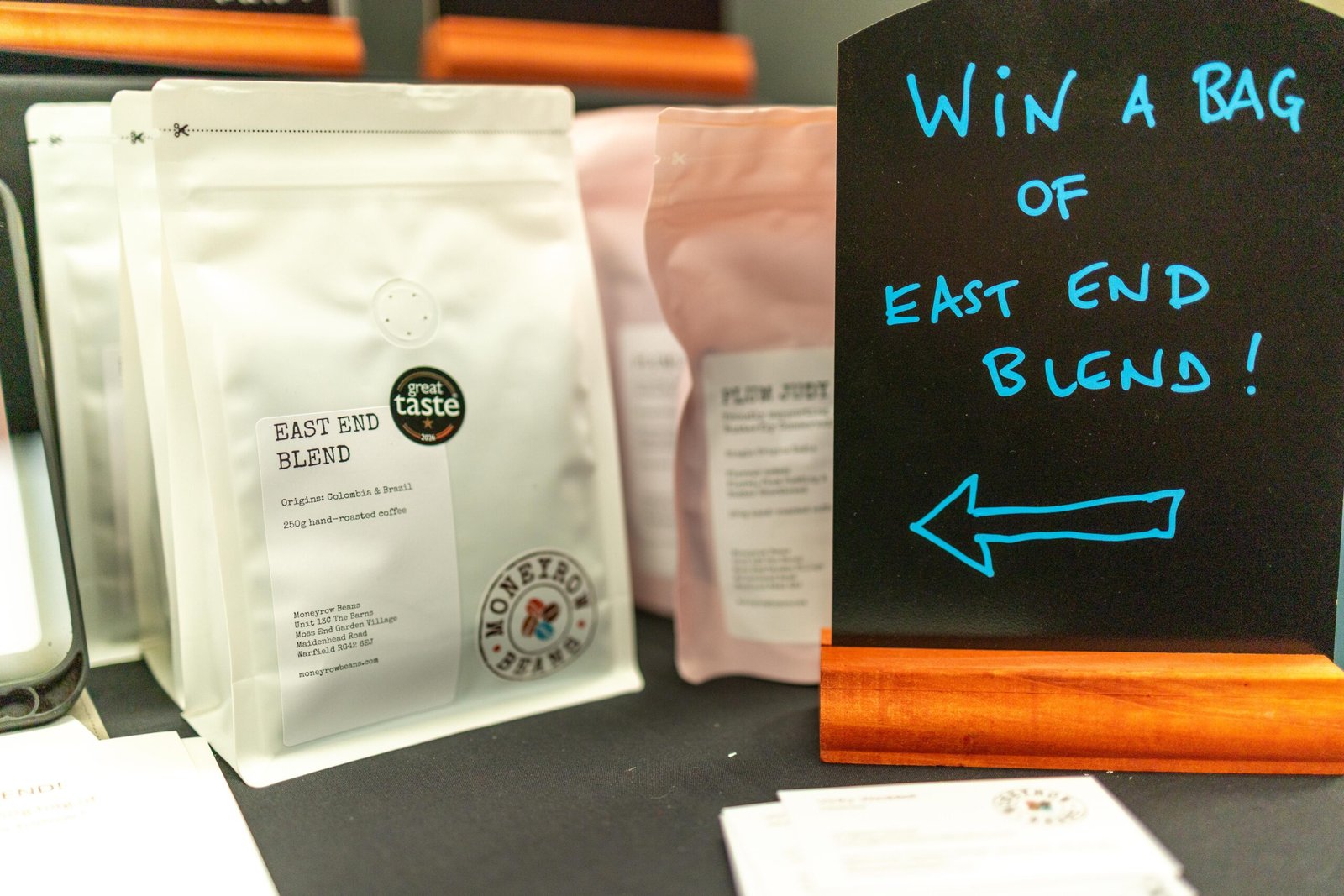
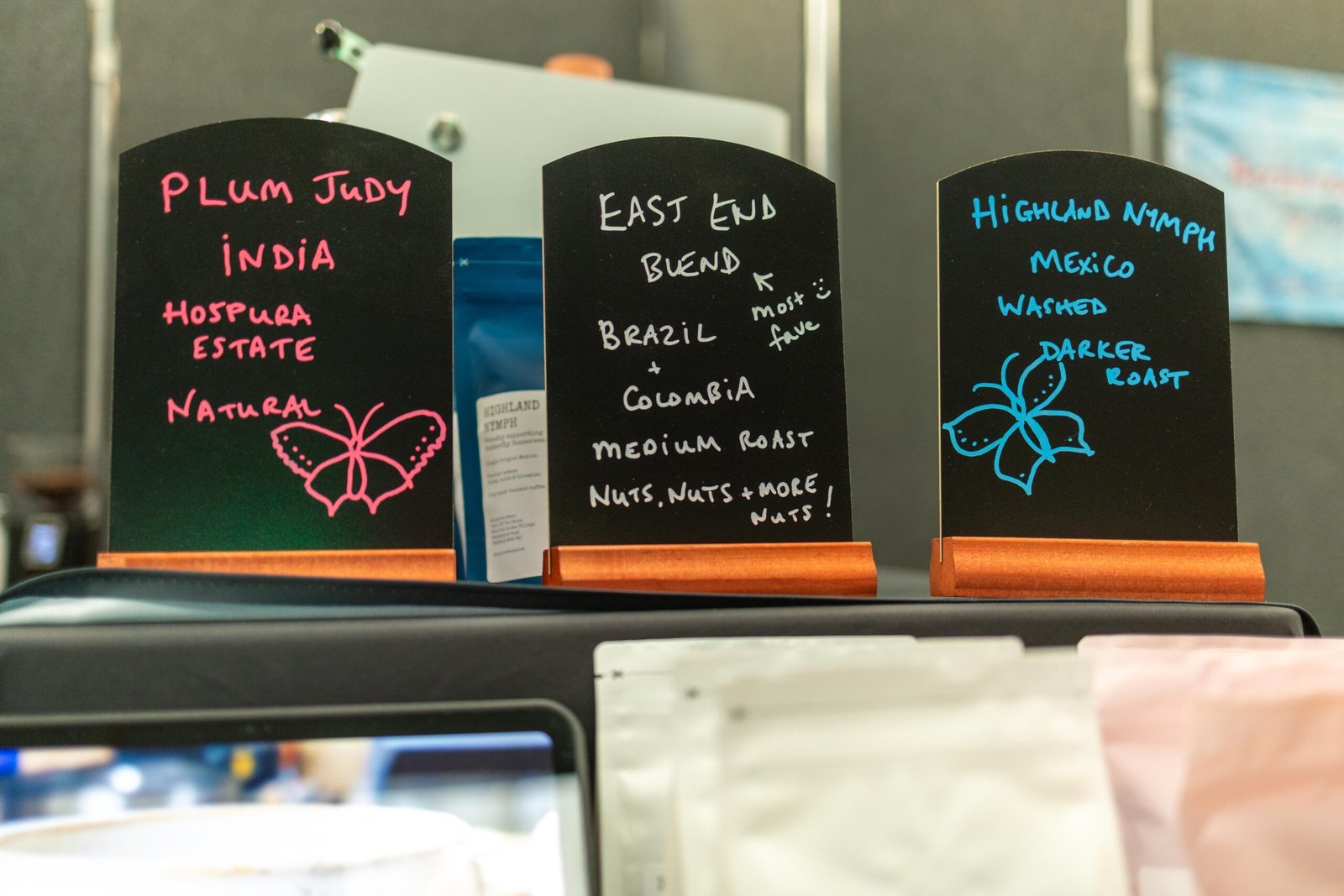
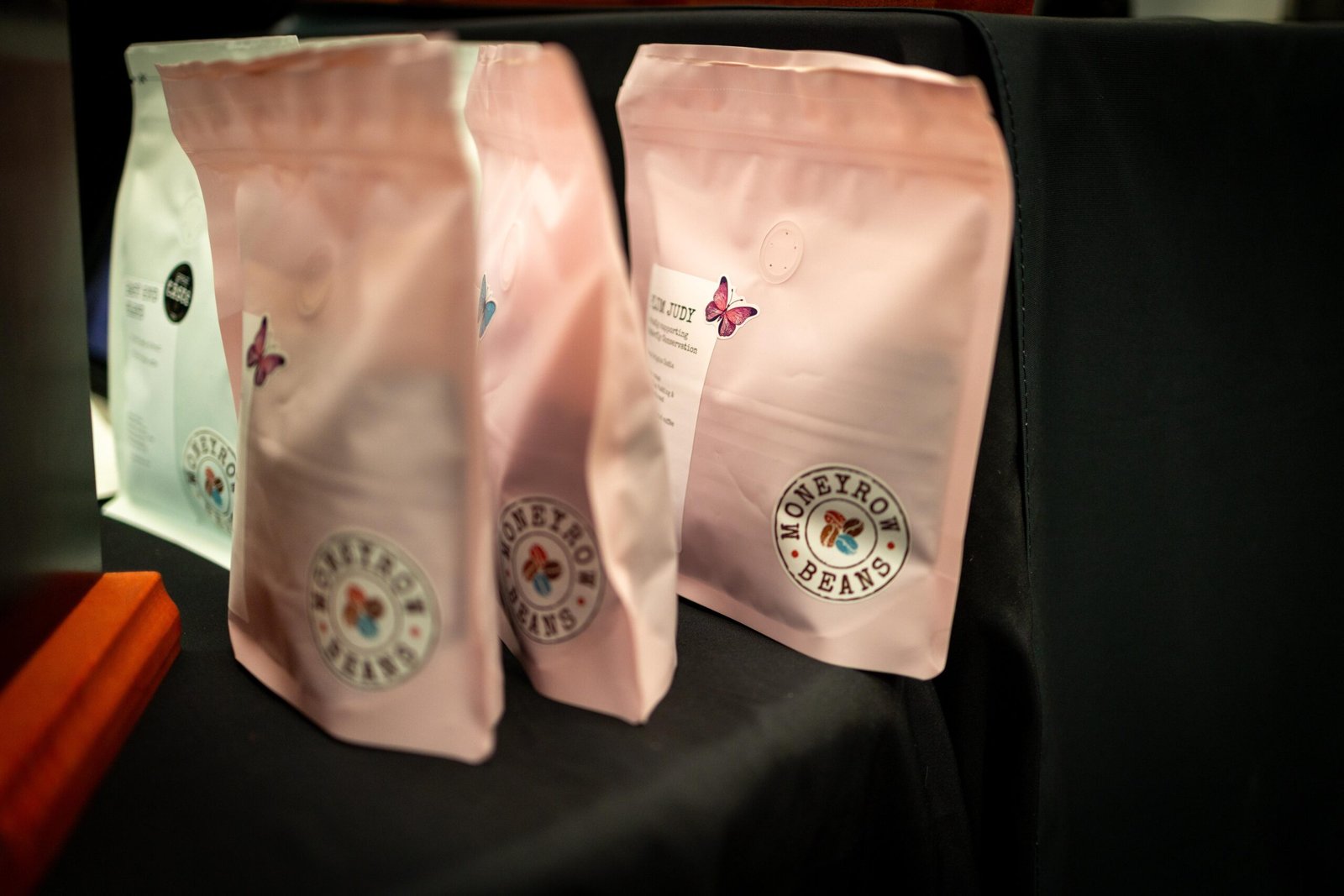
“I named it after where I live because I always wanted it to be a local business, part of the community,” Vicky explained. “So it made sense to name something local.”
Like many independent coffee companies, Moneyrow Beans began on a modest scale.
“I started roasting very small amounts in my garden shed,” she said.
From a garden shed to roasting in London
At the time, Vicky was already heavily involved in the coffee world through judging and events, including work with the UK Barista Championships. A friend on the judging team helped shape the next stage of the business.
“One of my friends on the judging team said, ‘Well, if you’re enjoying the roasting and you ever want to roast more, you can come and roast on my machine in London,’” she recalled. “So that’s what I did. I started going to London, roasting coffee on his machine, filling my Mini with beans and then bringing them back.”
It soon became a passion.
“I really got into it and thought, actually, I do really like this roasting thing,” she said.
Moneyrow Beans and community first
Six years on, the business has grown into a dedicated roasting operation based in a barn behind a garden centre in Warfield, where Moneyrow Beans roasts coffee, runs workshops and tasting experiences, and organises the Maidenhead Coffee Festival, usually held on the first Sunday in October.
Vicky says the sense of community that first attracted her to coffee remains at the heart of everything the company does.
“I knew I loved the coffee community and events like this are what it’s all about for me,” she said while exhibiting at the Oxford Coffee Festival. “It’s the community around coffee, the things that happen, the connections you make. It’s really, really valuable to communities and people.”
Sourcing coffee through people at Oxford Coffee Festival
That people-first approach also influences how she sources coffee.
“They usually come about through a connection with a person first,” Vicky said. “As I meet somebody and they tell me about a coffee, or if I’m introduced to somebody and I find out what they’re doing.”
Not every coffee comes through a chain of other people. Moneyrow Beans is the UK distributor for a gorilla conservation coffee from Uganda, part of a social enterprise set up by a wildlife vet. The introduction came through a local connection, and Vicky buys the coffee direct.
Looking ahead, Vicky says the past year has been about focus. Coffee offers endless possibilities, but trying to do all of them risks spreading a small business too thinly.
“Working out what we do best, which is kind of the community side of coffee and being an open door to people to come and discover coffee,” she said. “Even people who know nothing about coffee. It doesn’t matter. Just come in and learn something and enjoy it.”
Moneyrow Beans | Unit 13c, Moss End Garden Village, Maidenhead Road, Bracknell RG42 6EJ | Instagram: @moneyrowbeans | Details checked: November 2026
From a Bedford Rascal at Festivals to an Oxford Roastery: Routes Coffee
Routes Coffee began with a journey.
“Routes was started by two friends who were travelling around Australia and East Asia,” explained Will, the company’s Head Roaster. “They were exposed to the coffee scene out there and they had the idea to start a coffee company and put it into the UK events market.”
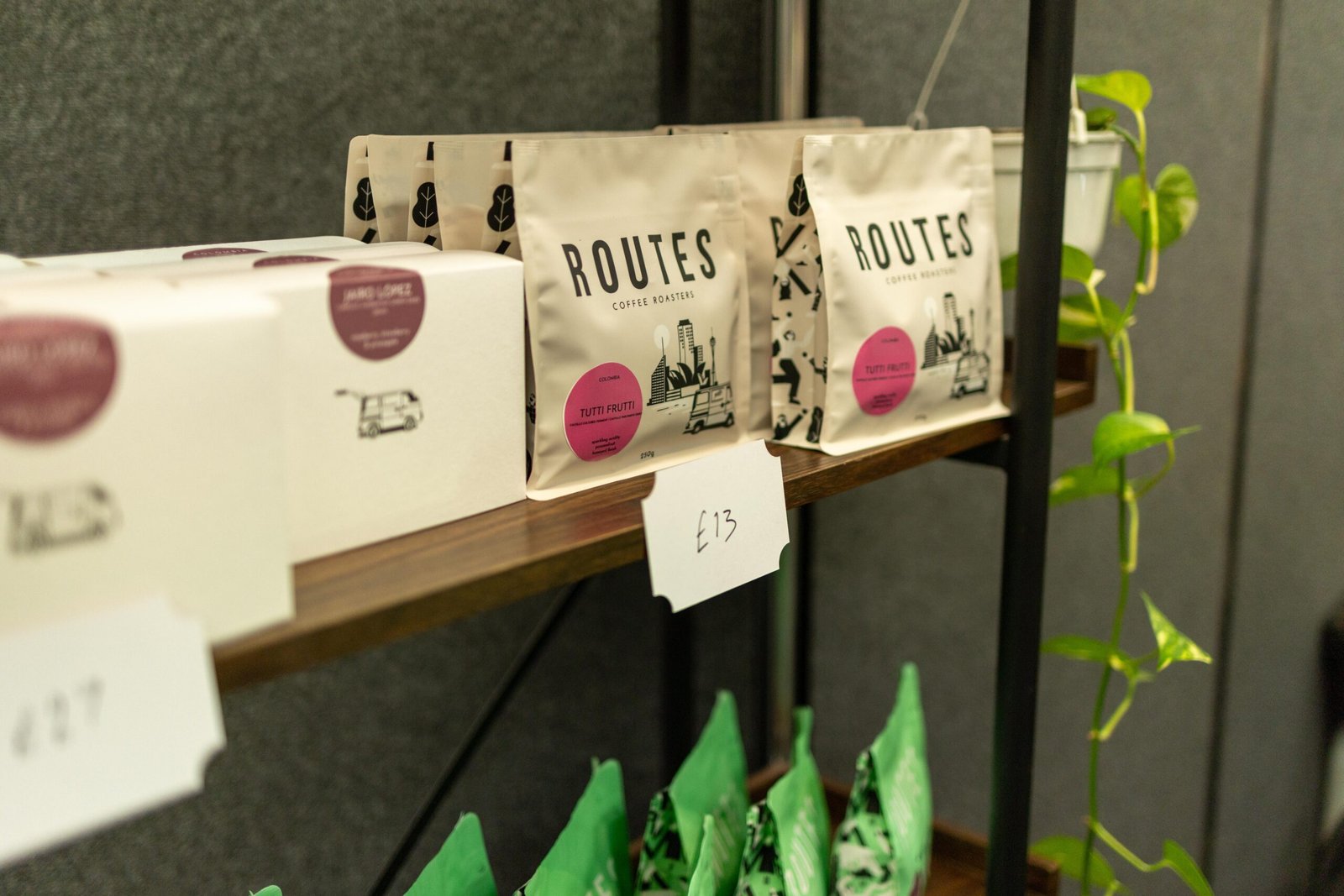
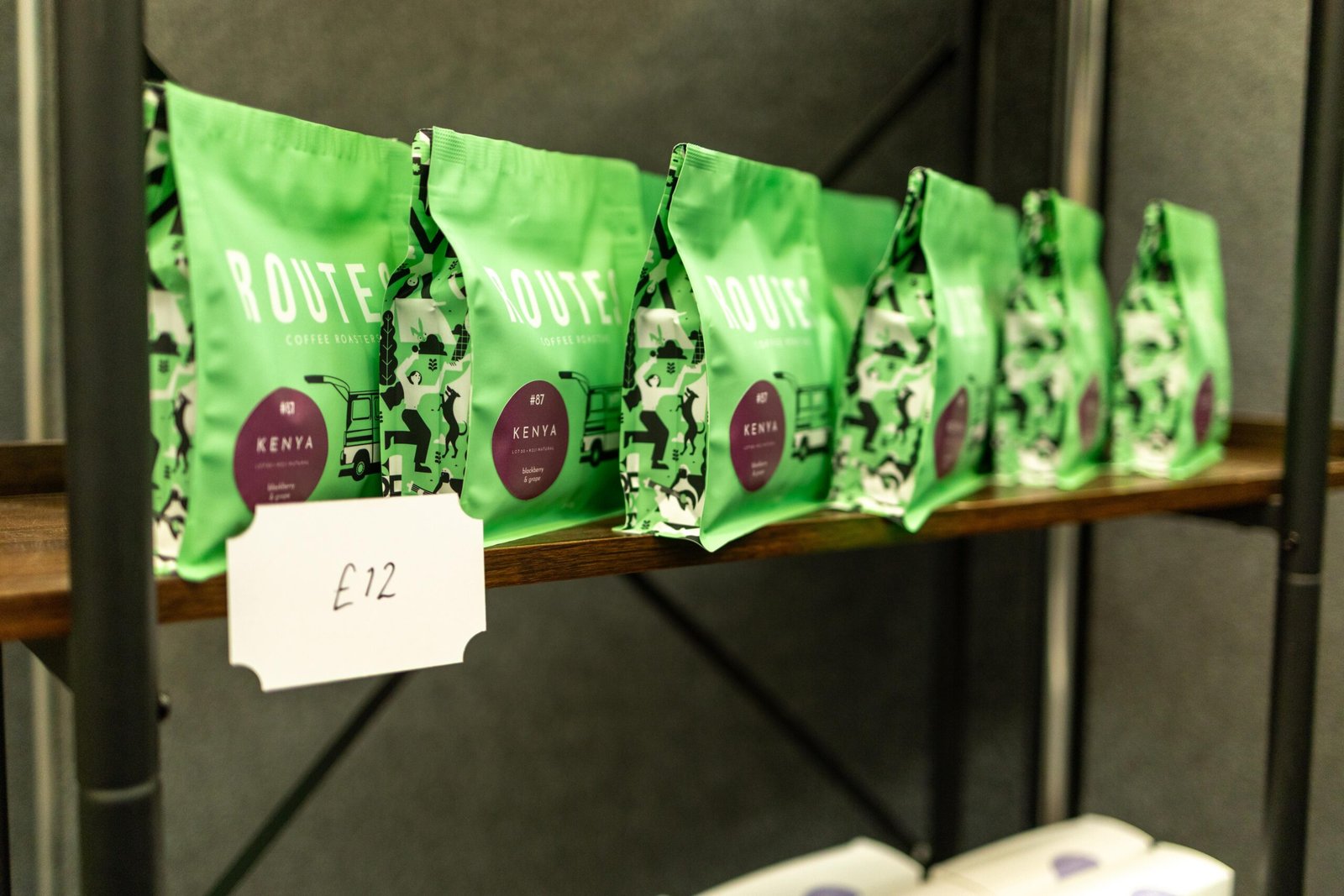


That idea first took shape not in a café or roastery, but from a vehicle that has become part of the company’s identity: a 1989 Bedford Rascal.
“You can see the Bedford Rascal on our cups,” said Will. “They bought this, they started doing festivals, they sold coffee there, it went down well and it just grew from there.”
Routes Coffee and direct trade at Oxford Coffee Festival
Today, Routes roasts its own coffee in Oxford, supplies cafés and operates its own coffee shop.
“Now we roast our own stuff,” Will said. “We’ve been based in Oxford for the last six or seven years now, roasting our own beans. We supply a lot of cafés and we have our own café as well.”
Despite that growth, the focus remains firmly on sourcing and roasting quality coffee.
“Now we’re just trying to find the best coffees we can, roast them and get them out there,” he said.
Direct trade and the cost of growing up
A growing part of that approach involves building direct relationships with producers.
“A lot of our coffees these days are direct trade,” Will explained. Earlier this year, a few of the team travelled to Colombia to visit producers and build relationships.
“They tried some coffees out there and brought a load back, including some of the ones on the table today,” he said. “We’ve tried them out there. We try and find the best ones.”
Like many independent roasters, however, Routes faces the balancing act of maintaining quality while navigating rising costs and fluctuating coffee prices.
“The biggest challenge is taking that leap from the event side of things and turning that into more of a bricks and mortar location,” Will said. “Costs are high and the price of coffee is fluctuating as well.”
Finding a price that works for everyone in the supply chain is often easier said than done.
“It’s hard to come up with the correct price that benefits the producers equally and us, but also isn’t too off-putting for the market,” he said. “But we’re enjoying it. It’s not without its challenges. But yeah, we’ve made it work.”
Routes Coffee Roasters | Unit 5, Fenchurch Court, Oxford, OX4 6ZN | Instagram: @routescoffee | Details checked: November 2026
That’s it for now. Look out for Part 2 of the Oxford Coffee Festival 2026 story on Wednesday 18 November.
Also read: Nottingham Coffee Festival 2026: Meeting the Roasters, Part 1 and A Day at Bristol Coffee Festival.