
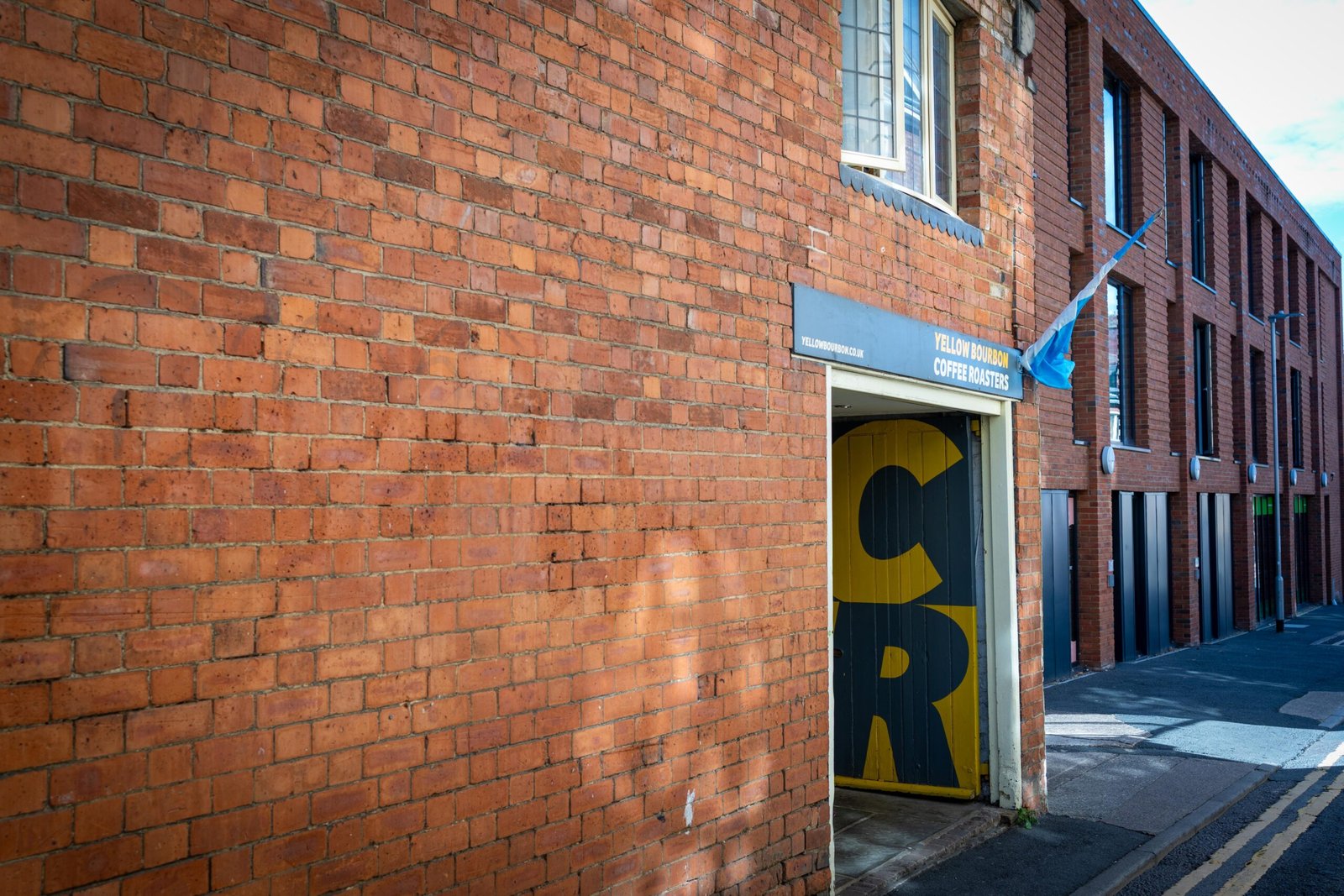
Tucked into weathered brickwork on a tiny side street in Northampton town, you could be forgiven for missing it entirely. A bold yellow-and-black entrance is marked only by a modest Yellow Bourbon Coffee Roasters sign above the door.
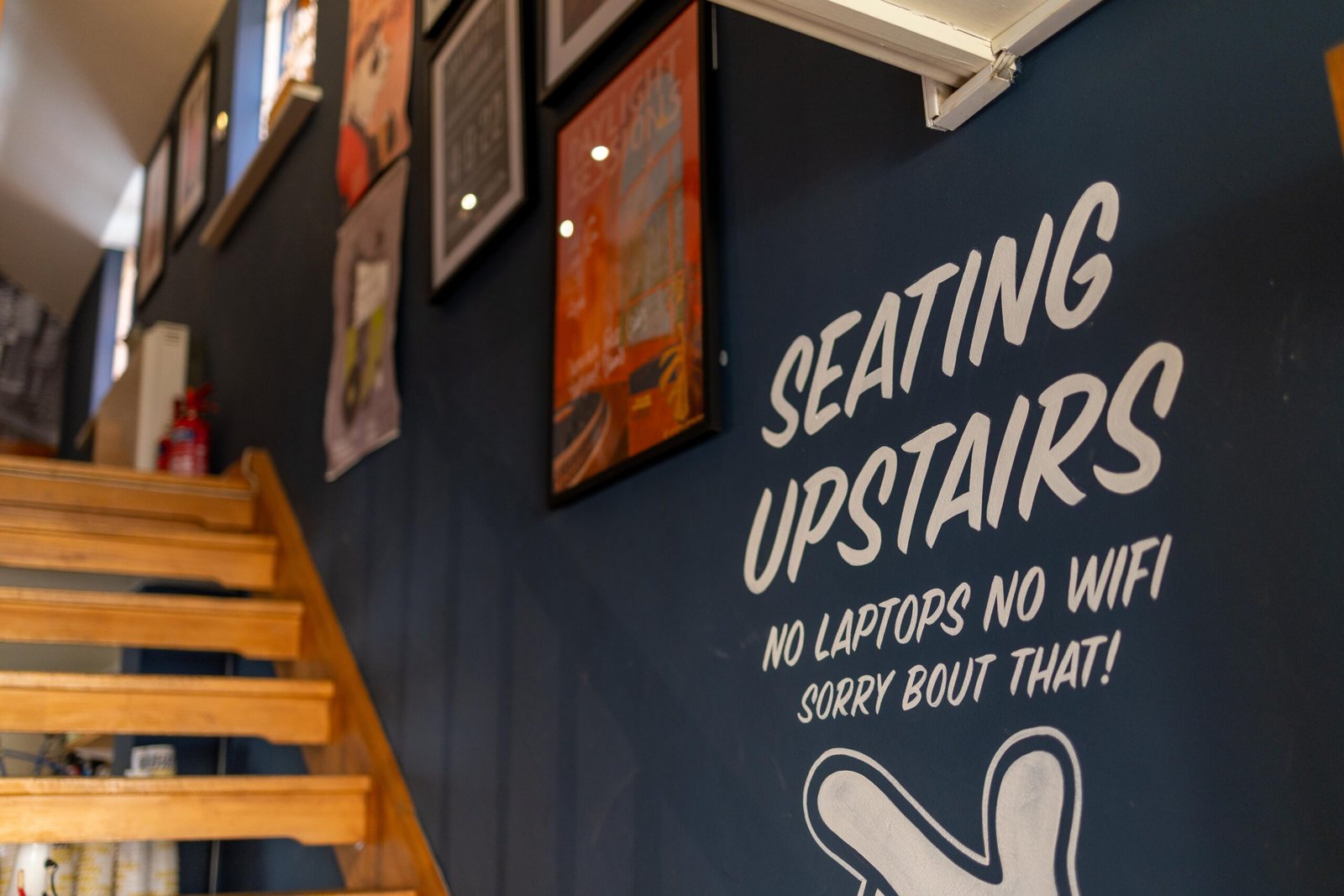
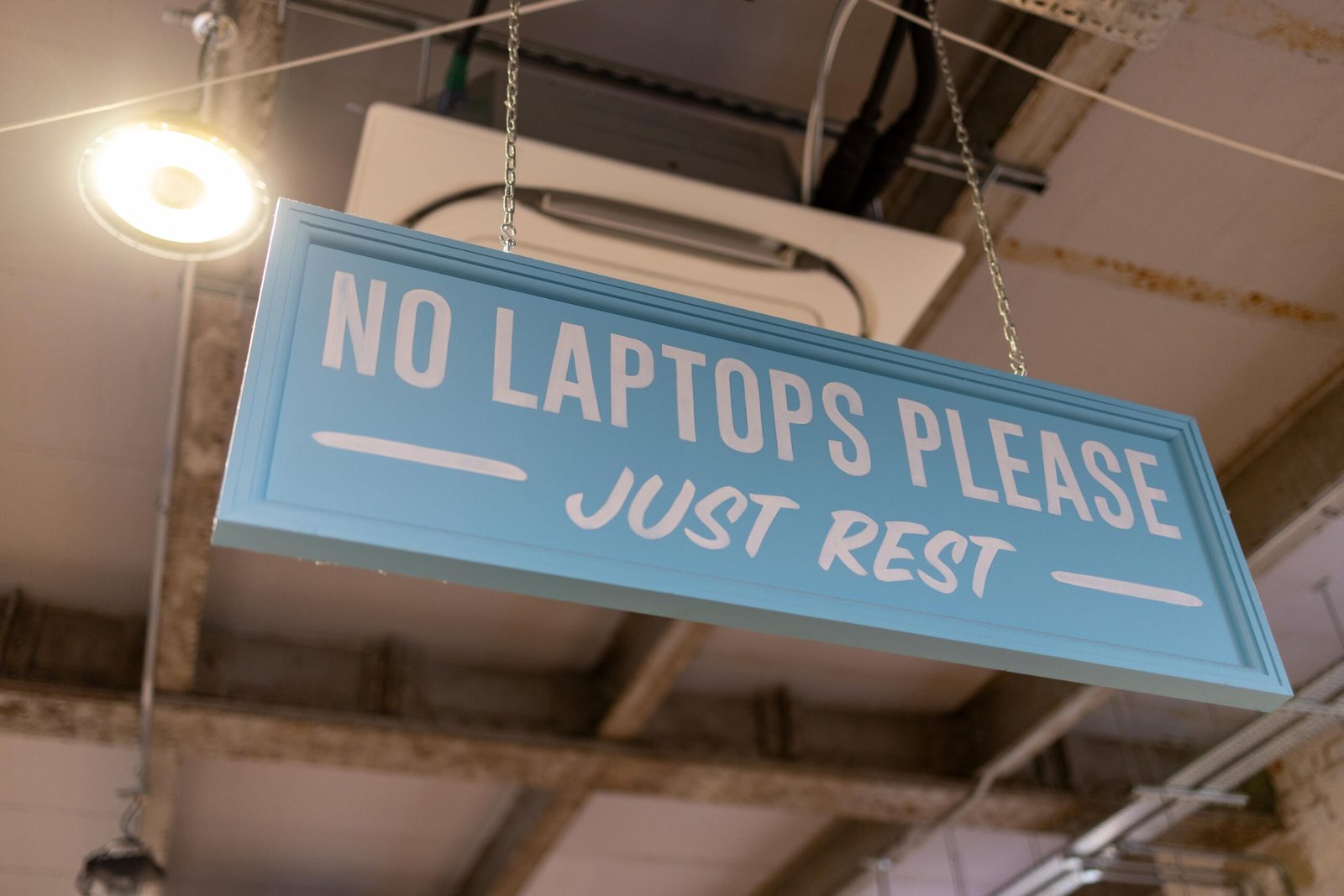
Downstairs is where you order, and there is a high table where you can sit, face the street and watch the parking wardens stroll by, or better yet, chat to the team working the espresso machine. But the staircase beckons if you’re planning to settle in. A sign politely points out that this isn’t a laptop kind of place.
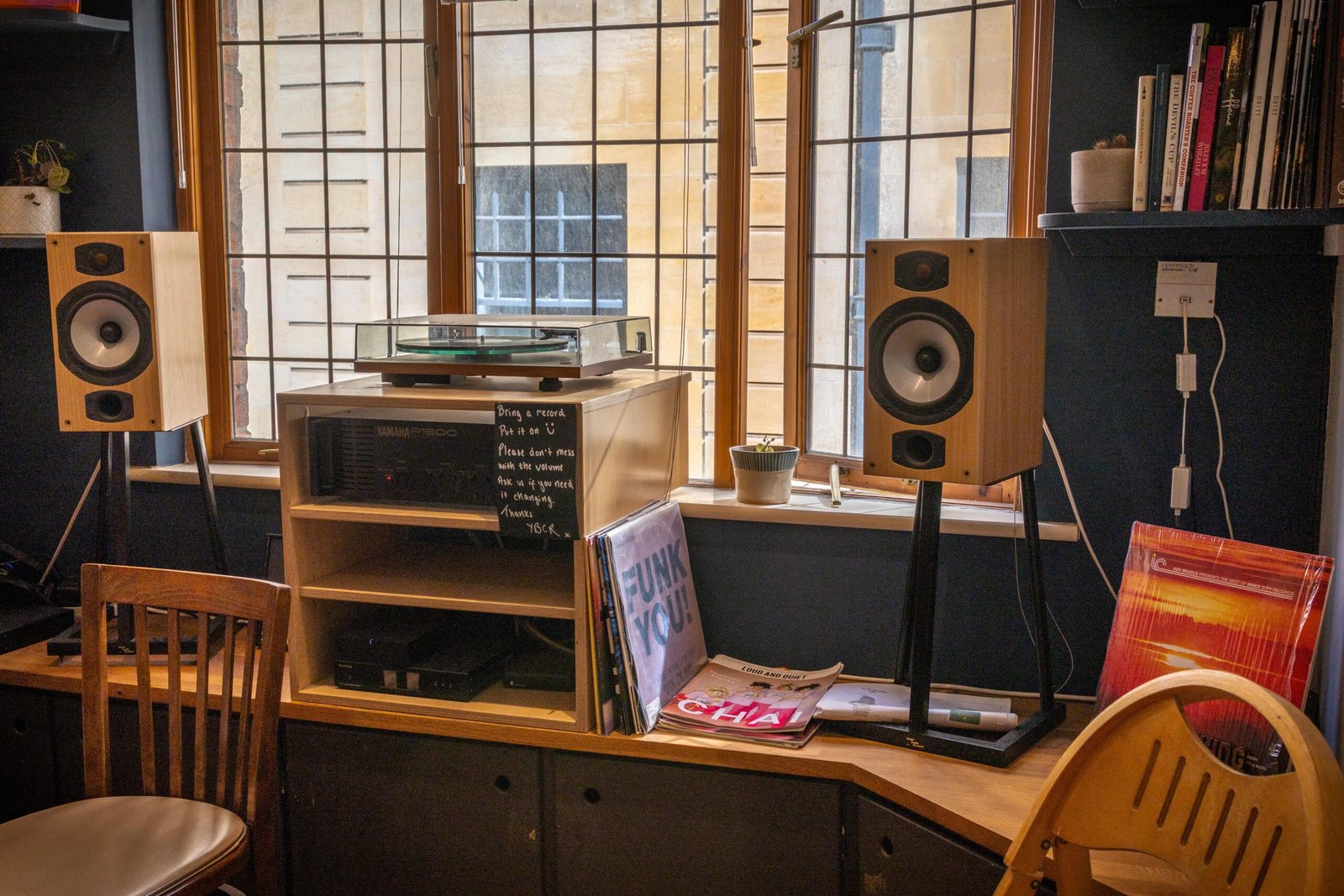
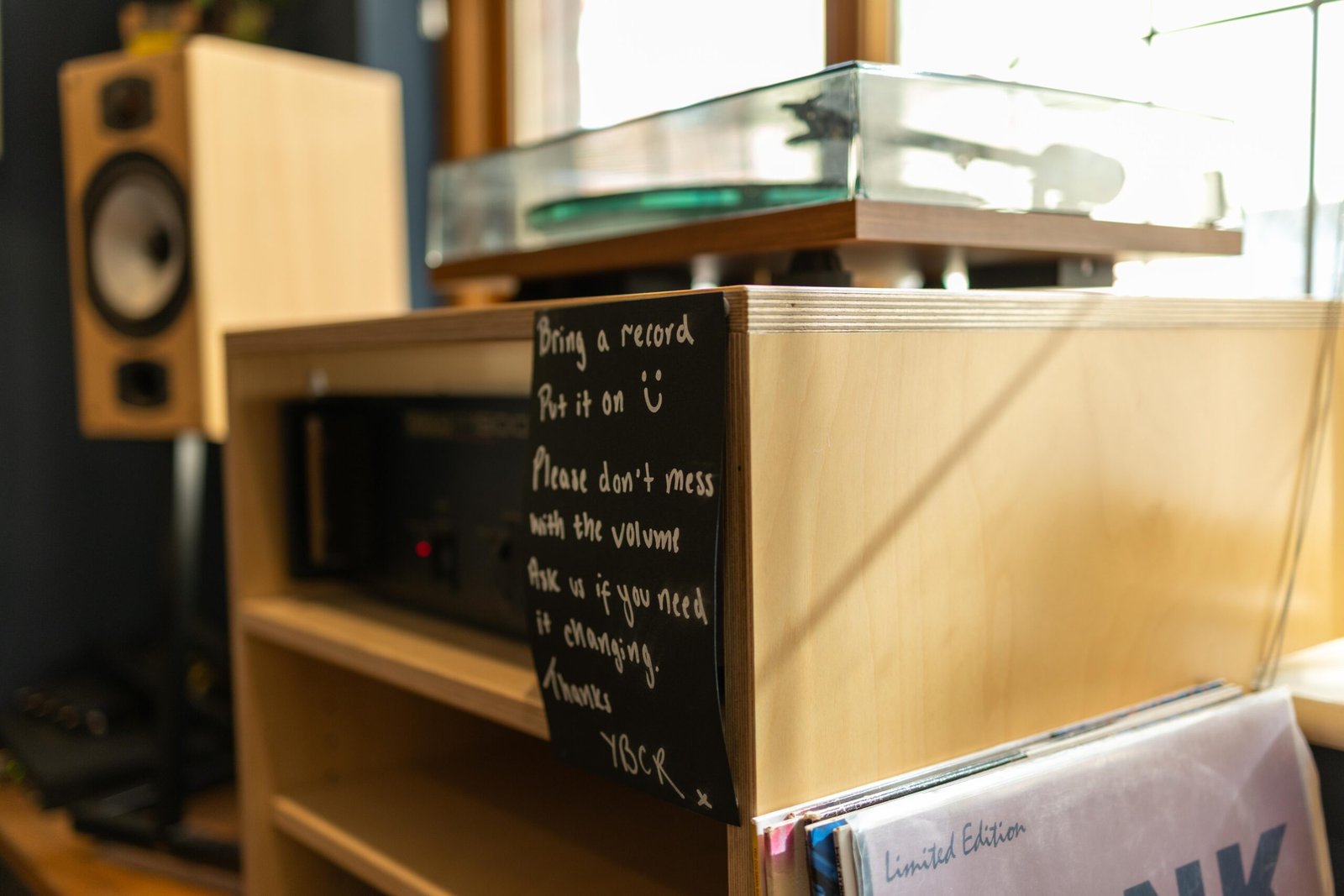
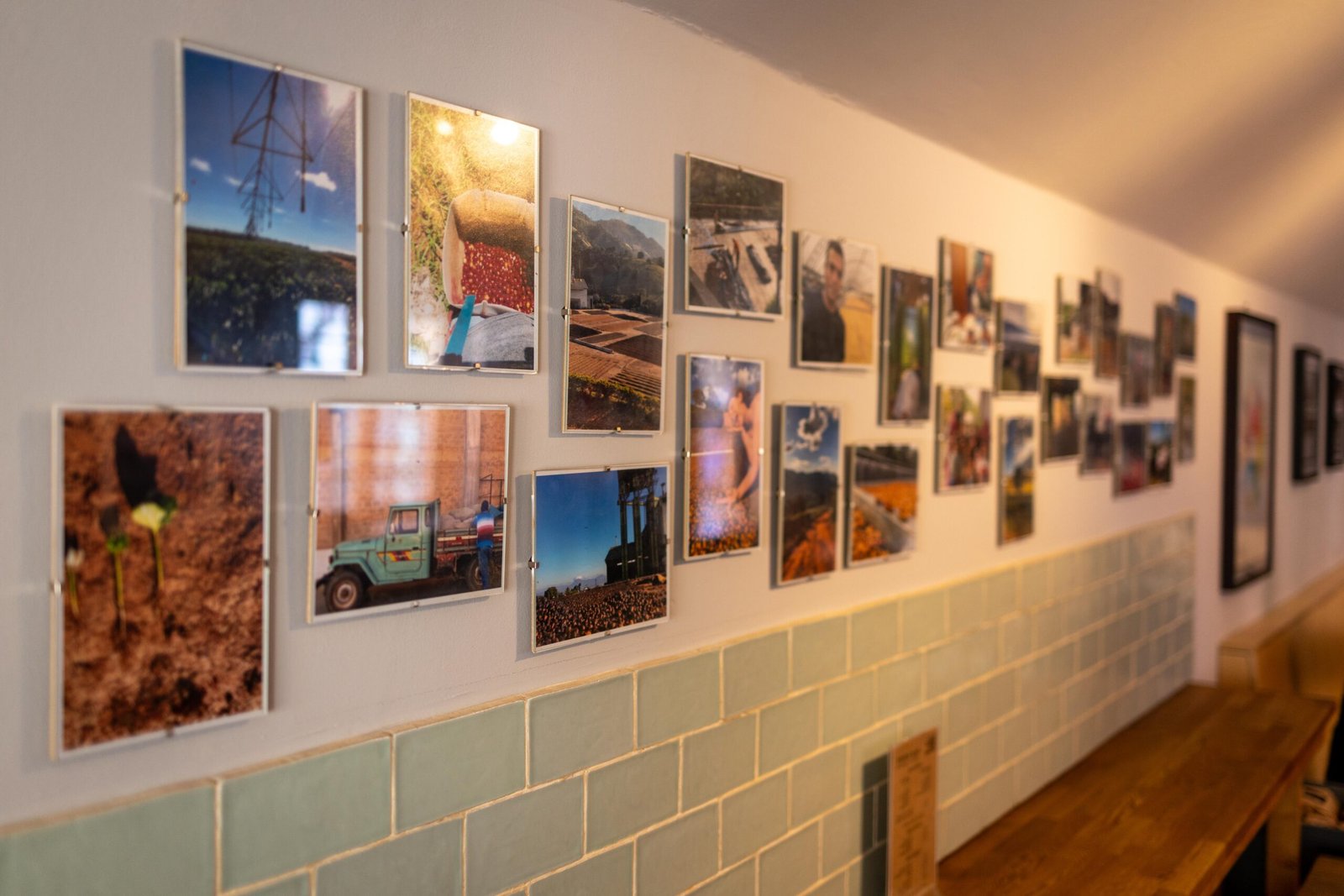
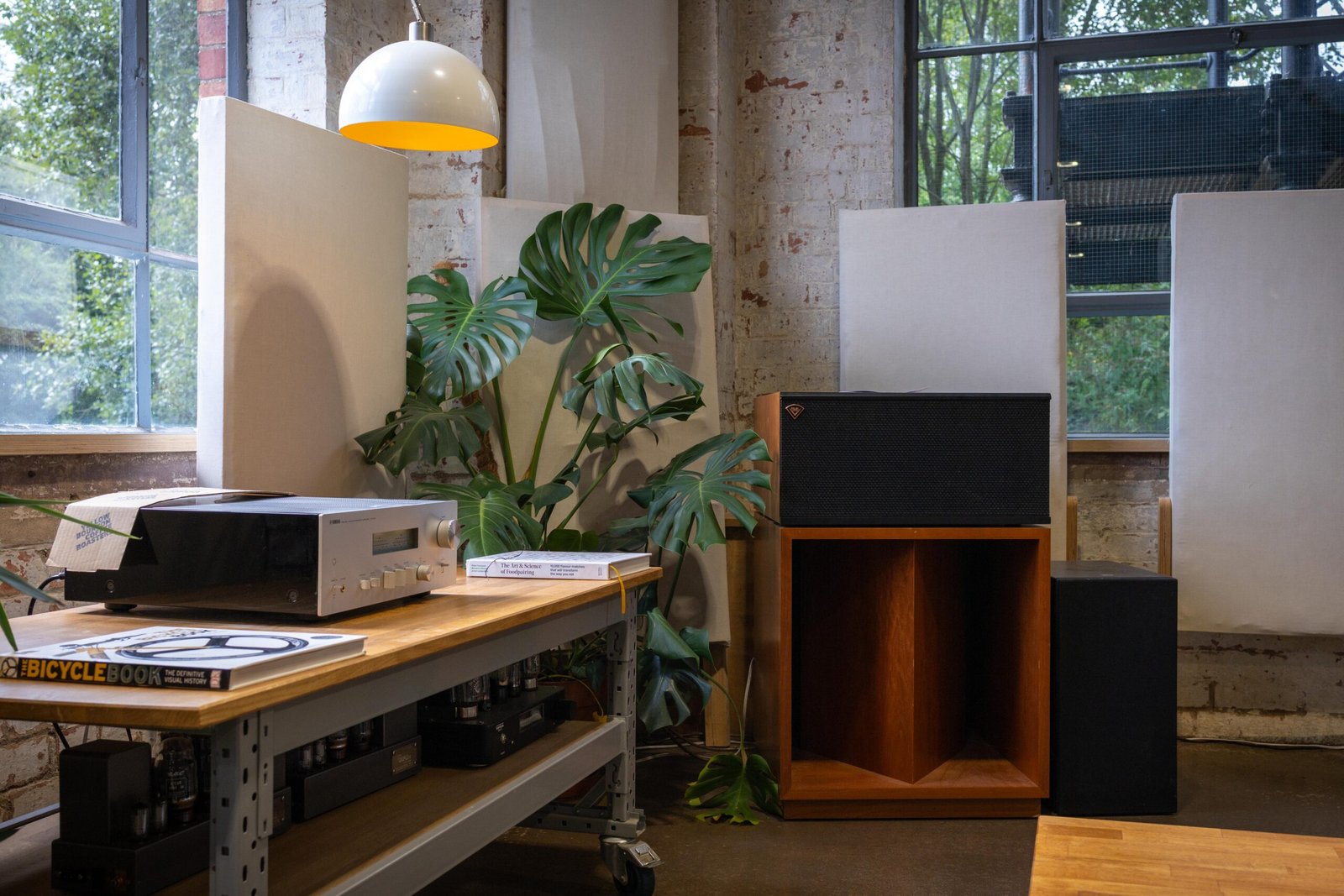
I headed upstairs and paused for a moment in front of a wall covered with photographs documenting coffee farm visits over the years. Beyond them sat a record player between two speakers, accompanied by a handwritten sign inviting customers to bring in their own vinyl for a spin. I was beginning to understand the vibe of the place, and I was liking it.
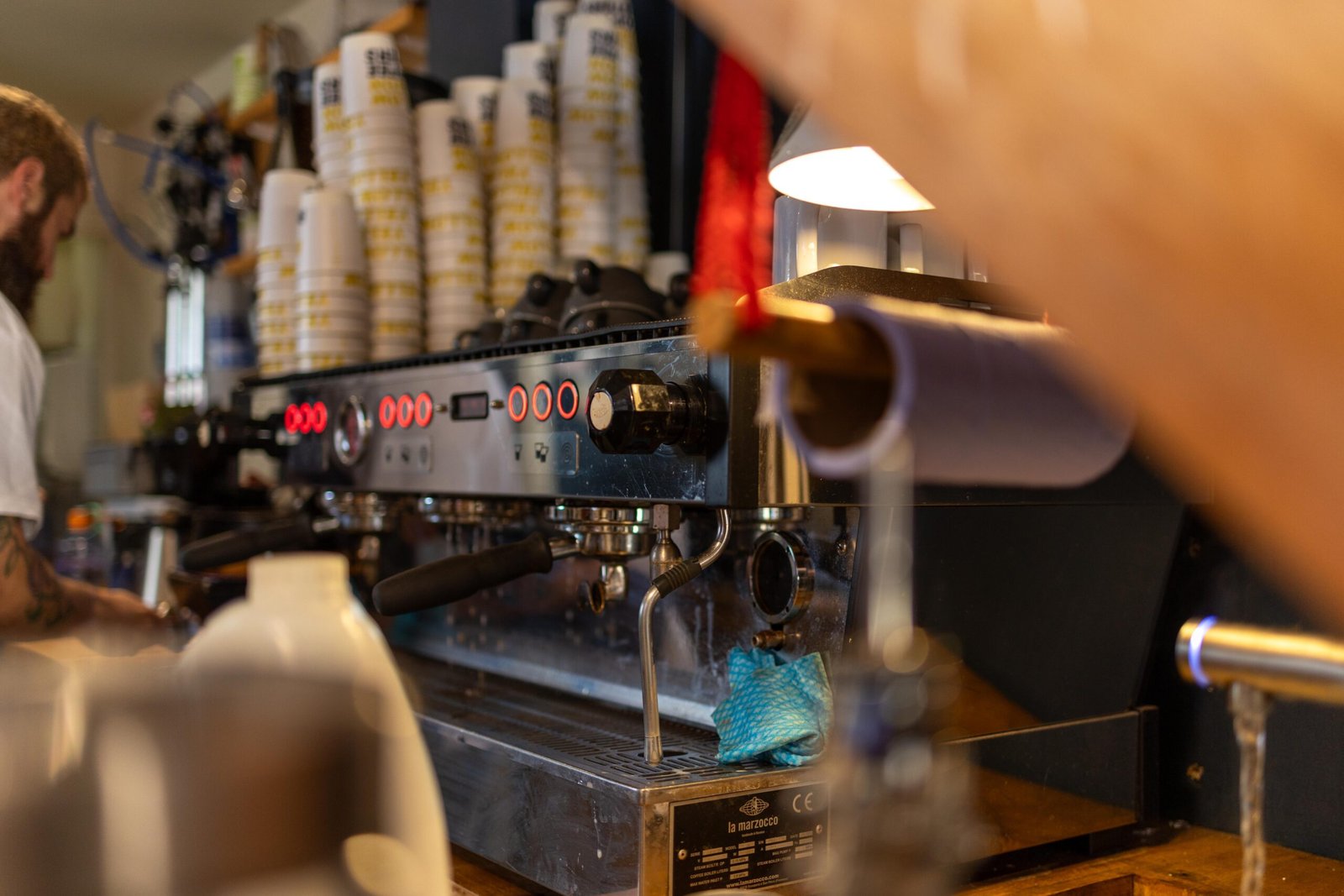
Back downstairs, I drained my americano. As nice as this place is, it wasn’t where I was going to meet Steve Peel. For that, I’d need to ride on to Weedon, home to the roastery and second shop, roughly twenty minutes away.
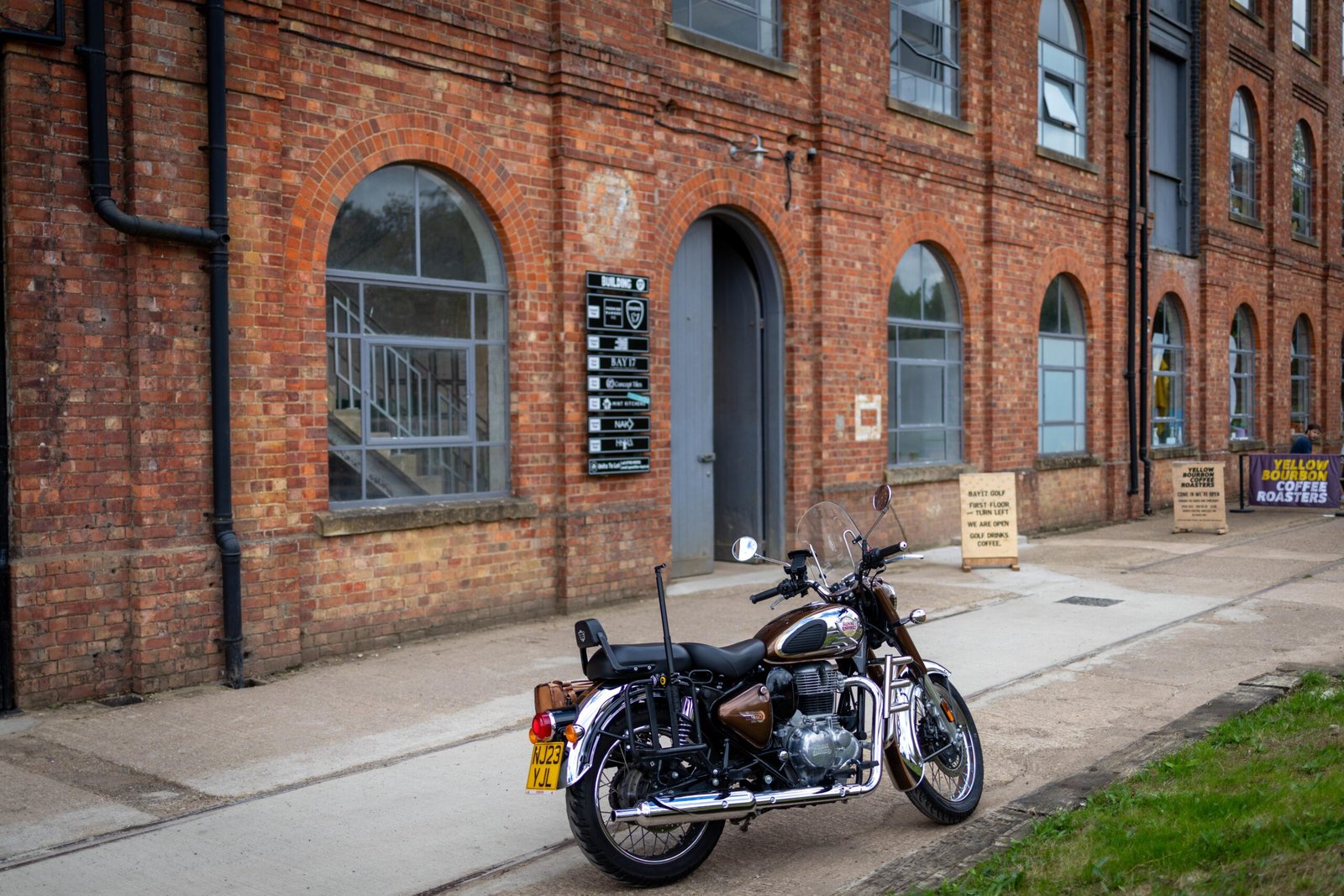
Riding into Weedon Depot, I could see Unit 17 at the very bottom of the estate. I learned later that it is actually one of the newer buildings here, built in 1902 and formerly a military clothing store. Like the Angel Street location, you have to be up close to it to see there’s a thriving coffee business inside. Only after riding around the side of the building did I catch sight of the Yellow Bourbon signage, subtle as I’d come to expect.
Steve is the man who started it all in 2017. When I arrive he’s working behind the counter. We grab a seat and tuck in for a chat.
No Laptops, Just Vinyl
I asked him about the laptop policy first as there was a sign overhead here too. “The important thing for me about running this, is it’s a nice environment for everybody, especially me,” he said. “I want to have a nice place to come to work, make it a bit of a home from home. I don’t like any sort of institutional type environments.” That is why he works for himself in the first place, after years finding no enjoyment in offices or factories.
“Laptops give me the heebie jeebies anyway,” he said. “It’s got nothing to do with turning tables over or the revenue, it’s more about the atmosphere. If you’re coming out for coffee, then just come and relax. Don’t treat this as cheap office space.” He says that it occasionally annoys people. “It’s kind of my house, my rules. I don’t want it full of people frowning into a laptop in silence, spoiling the atmosphere for everybody else.”
That policy was tested early on. Loyal customers from the original Angel Street shop visited out of excitement in the first couple of months after this second site opened, then the novelty wore off, and the room had to build its own identity from scratch. “It did start to get a bit tempting to invite people in with laptops just to fill tables,” he admitted, “but I’m glad we didn’t. I’m glad we stuck to it.” On the Thursday I visit, term time back in full swing, the place is full anyway.
From Plasterer to Coffee Geek
Steve grew up locally and worked as a plasterer until around 2007, but the cold, windowless buildings and relentless physical labour had left him deeply dissatisfied. By then, he was already obsessed with coffee, spending time on Too Much Coffee, a small online forum that brought together some of the UK’s earliest specialty coffee enthusiasts, long before the scene entered the mainstream.
After a particularly bad day on site, he stumbled across a vague recruitment advert seeking a “coffee connoisseur.” The title sounded promising. The reality was less glamorous: a delivery driver role for London’s renowned Monmouth Coffee.
Steve took the job anyway, commuting daily from Wellingborough to London and giving himself a simple deadline. He would stick it out for a year, but if no technical role became available, driving a van wasn’t a long-term future. Fortunately, the opportunity arrived. After a year, he moved into a trainee roasting position and would spend six years at Monmouth as a production roaster.
The experience shaped a philosophy that still defines Yellow Bourbon today: roast coffee where customers can see it. Monmouth’s Covent Garden roaster was in the basement, and customers could smell the coffee being roasted.
“It made it easy for people to get it,” he says. “You didn’t have to explain it or sell it….That authenticity was there straight away.”
Starting Yellow Bourbon
Eventually, family life made the daily commute impossible to justify. A short spell helping equipment retailer Bella Barista establish its own roasting operation proved no better fit, leaving Steve with what felt like one remaining option: build something of his own.
At the time, Northampton’s coffee scene was still largely undeveloped. Steve could see a gap in the market and, more importantly, knew he had the skills to fill it. Between roasting, production, training and machine support, he had accumulated a rare breadth of experience that few local operators could match.
In 2017, he emptied his life savings, sold his car and signed a ten-year lease on a premises on Angel Street.
“That was the scariest thing I’ve ever done,” he says. “If you screw this up, you’ve got to pay ten years’ rent.” Looking back, the anxiety has given way to a very different concern. “Now I’m thinking, ‘Oh God, I hope they let us renew it.'”
The first months were precarious. Contract roasting work for Bella Barista helped keep the business afloat, while colleague Catia oversaw day-to-day operations at the café. Beside the counter sat a modest two-kilo automated roaster, chosen for a practical reason: it allowed one person to roast coffee and serve customers at the same time without chaos, or injury.
Early growth came in small but meaningful steps. Their first wholesale order was just ten kilos, yet fulfilling it required a £200 investment in packaging alone. Even so, demand steadily built. Within three years, Yellow Bourbon was operating three roasters simultaneously, forcing production out of the café space and into a dedicated upstairs facility.
A Barn, a Diagnosis, and What Came After
Covid almost broke the model entirely. When retail closed, mail order became the business overnight. As staff isolated or were furloughed, Steve found himself managing production largely alone, trying to keep pace with demand.
Running out of capacity, he moved roasting operations into a cold, draughty agricultural unit in a nearby village and upgraded to a twelve-kilo machine. The move solved one problem but created another. For the first time, roasting was no longer visible to customers, sacrificing one of the principles he had carried with him since his Monmouth days.
During this period, wholesale revenue grew until it roughly matched retail. On paper, it looked like progress. Steve remembers it differently. “Wholesale was about 80% of the headaches.”
Not long afterwards, following a coffee-buying trip to Costa Rica, a far greater challenge emerged. “We found a tumour in the pancreas,” he says.
Most of his pancreas was removed, and recovery proved far longer and more demanding than expected, stretching across almost three years. It was during that period that plans for Yellow Bourbon’s second site, the building where we are sitting today, began to take shape.
The experience forced a fundamental shift in how Steve viewed the business.
“That’s when I really knew, let’s get this place operating without me needing to be in it, because I don’t know how long I will be here, and how able I will be after that.”
Since then, the cancer has returned, this time in his liver. Ongoing treatment, which he describes as “not too intrusive”, has allowed him to continue working while reinforcing the importance of stepping back from daily operations.
More than anything, it has sharpened his focus on family. This past summer, he spent almost six uninterrupted weeks with his children during the school holidays, something that would have been impossible in the business’s early years. The time away was only possible because the company no longer depends on his physical presence each day.
“I’ve always been that way inclined anyway,” he says of prioritising family, “but this makes it even more so.”
Finding This Building
When the time came to reinvest the stability the business had built, Steve made a deliberate choice. Rather than chasing larger wholesale contracts and ever-bigger roasting equipment, he decided to back a second retail site, something entirely within his own control.
The building felt almost improbably well suited to what he had imagined from the beginning.
“If you’d have asked me what sort of café I would have liked, right from the outset, this would have been kind of exactly what I would have dreamt up.”
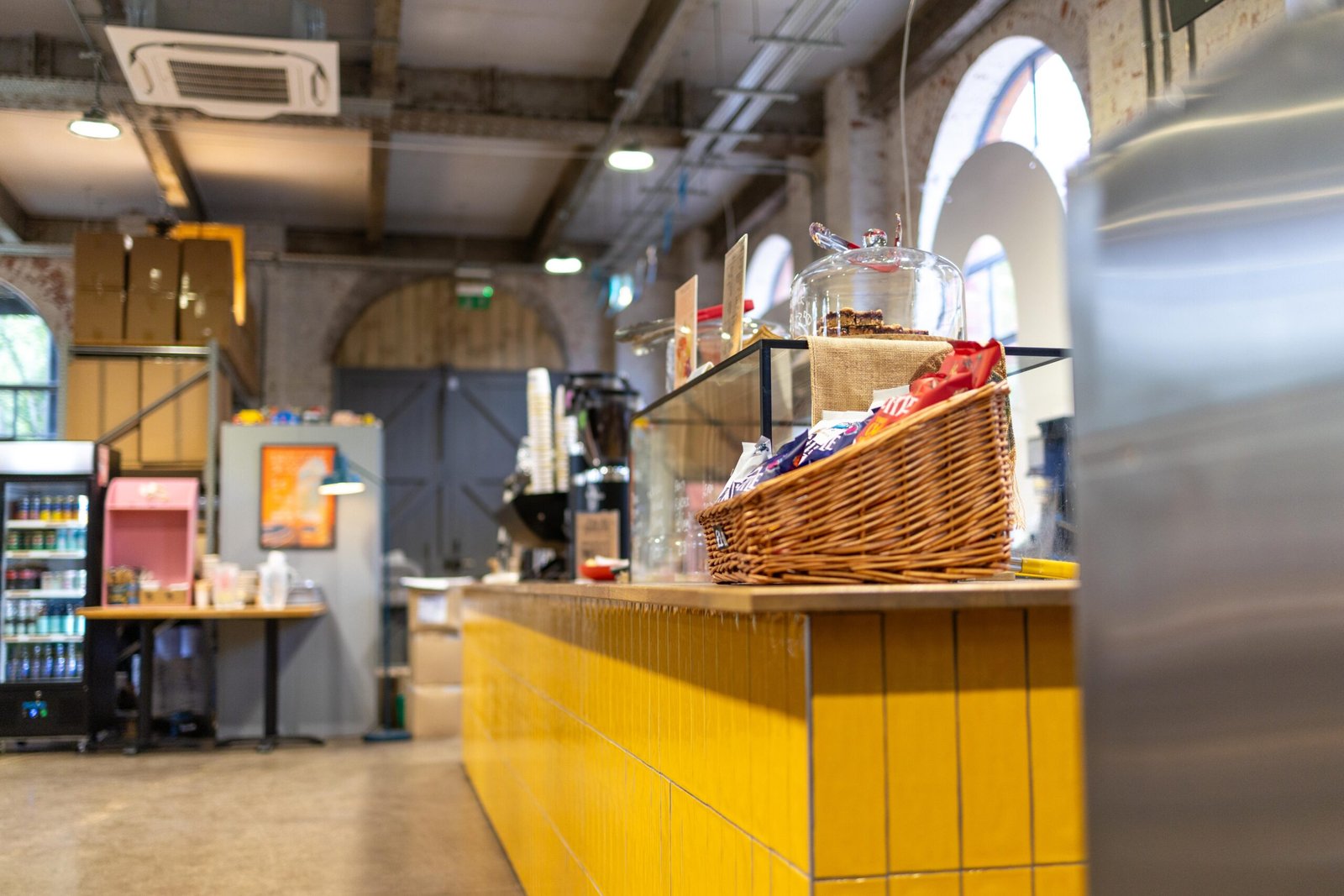
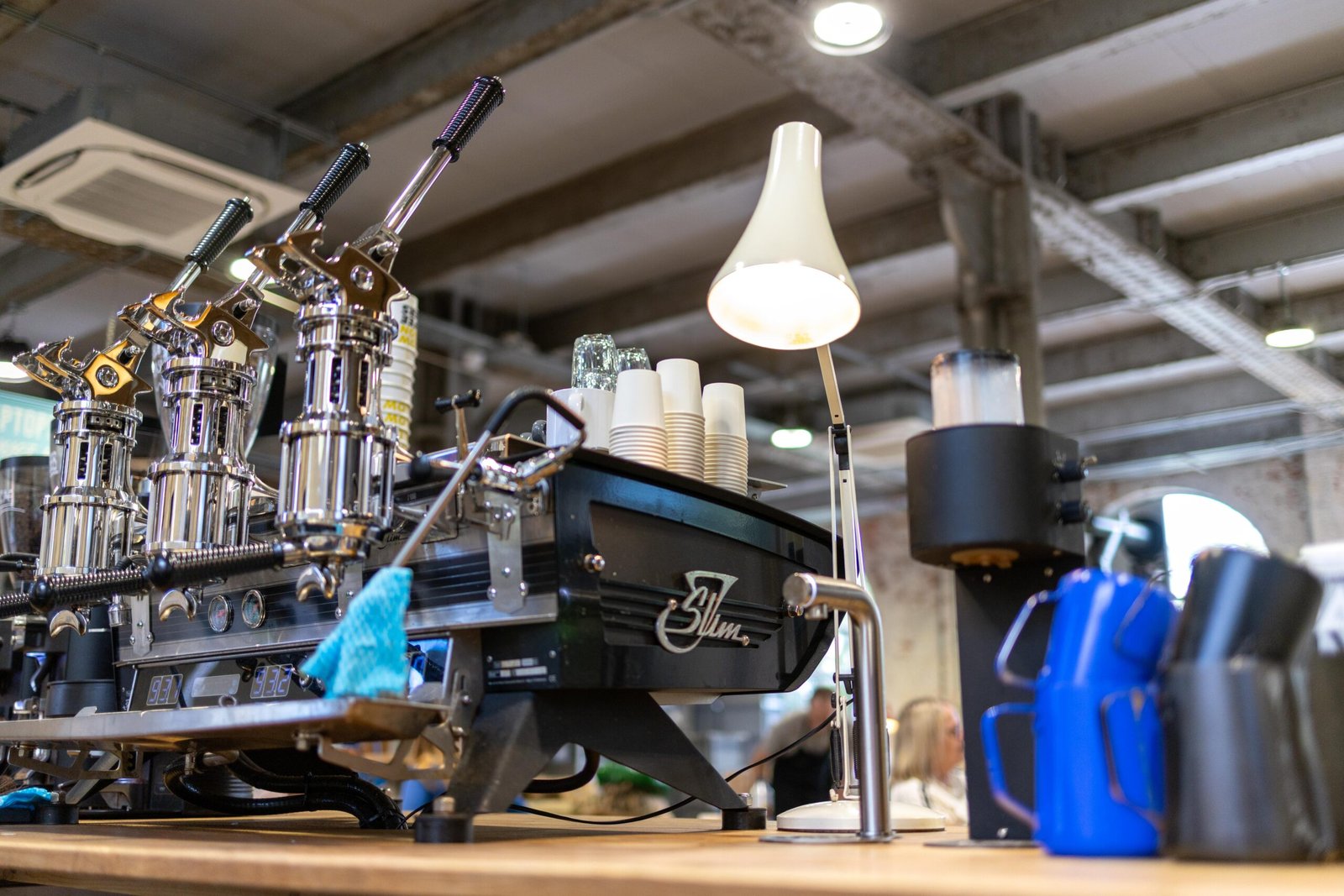
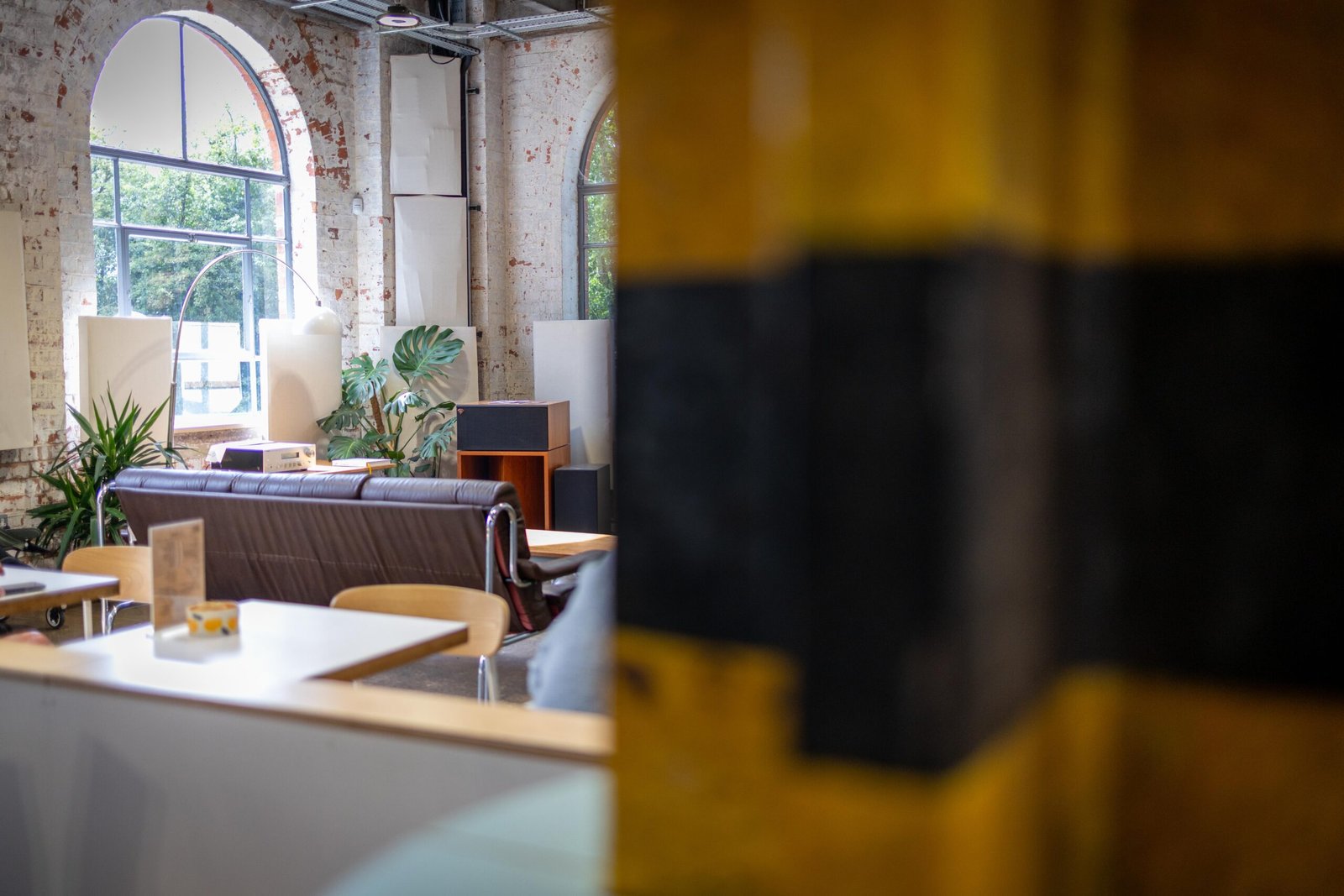
I take a moment to appreciate the surroundings. Large south-facing windows flood the room with natural light. In one corner, a cosy seating area carries the unmistakable feel of a living room. There’s also a record player here, and it seems to encourage people to slow down and stay a little longer.
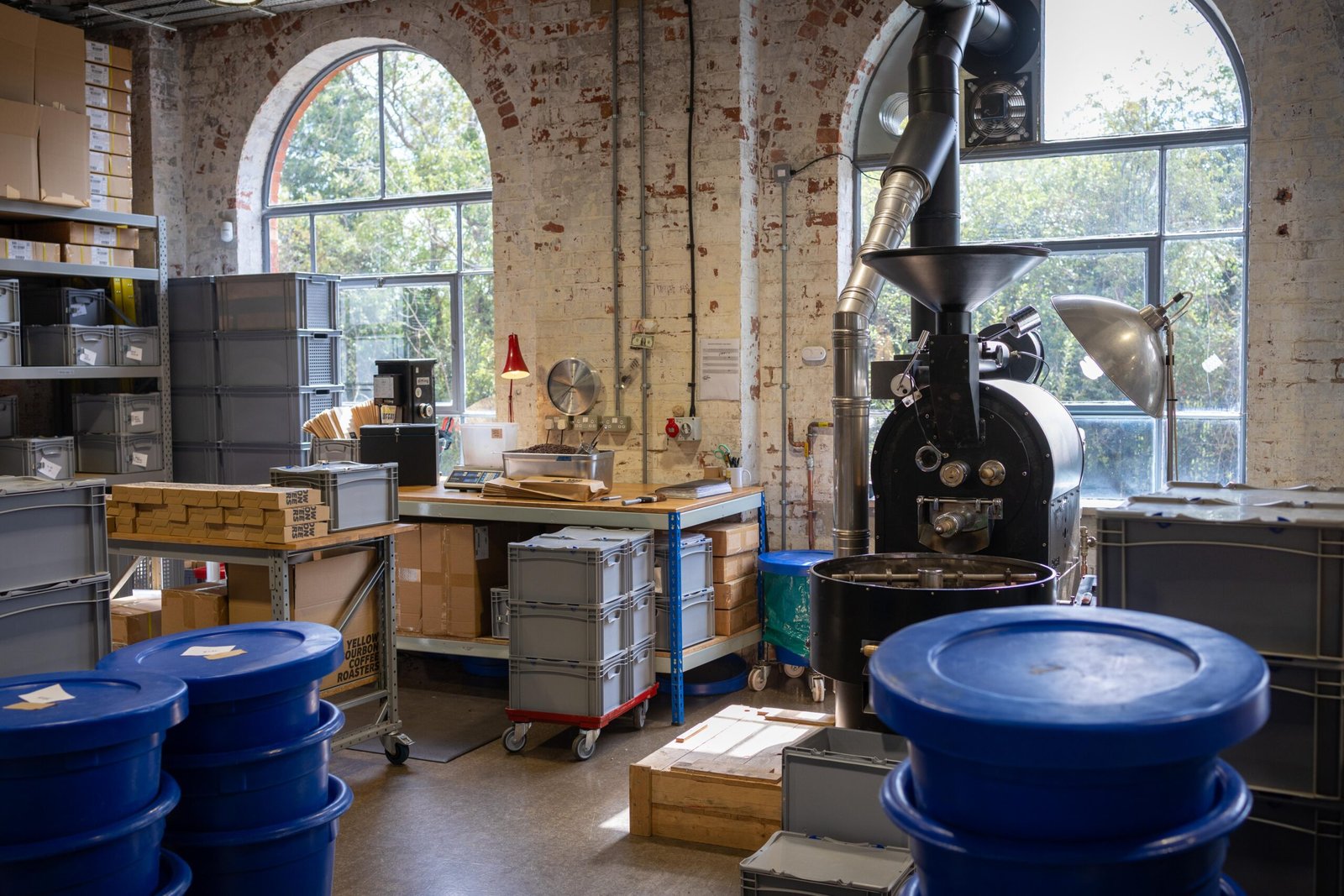
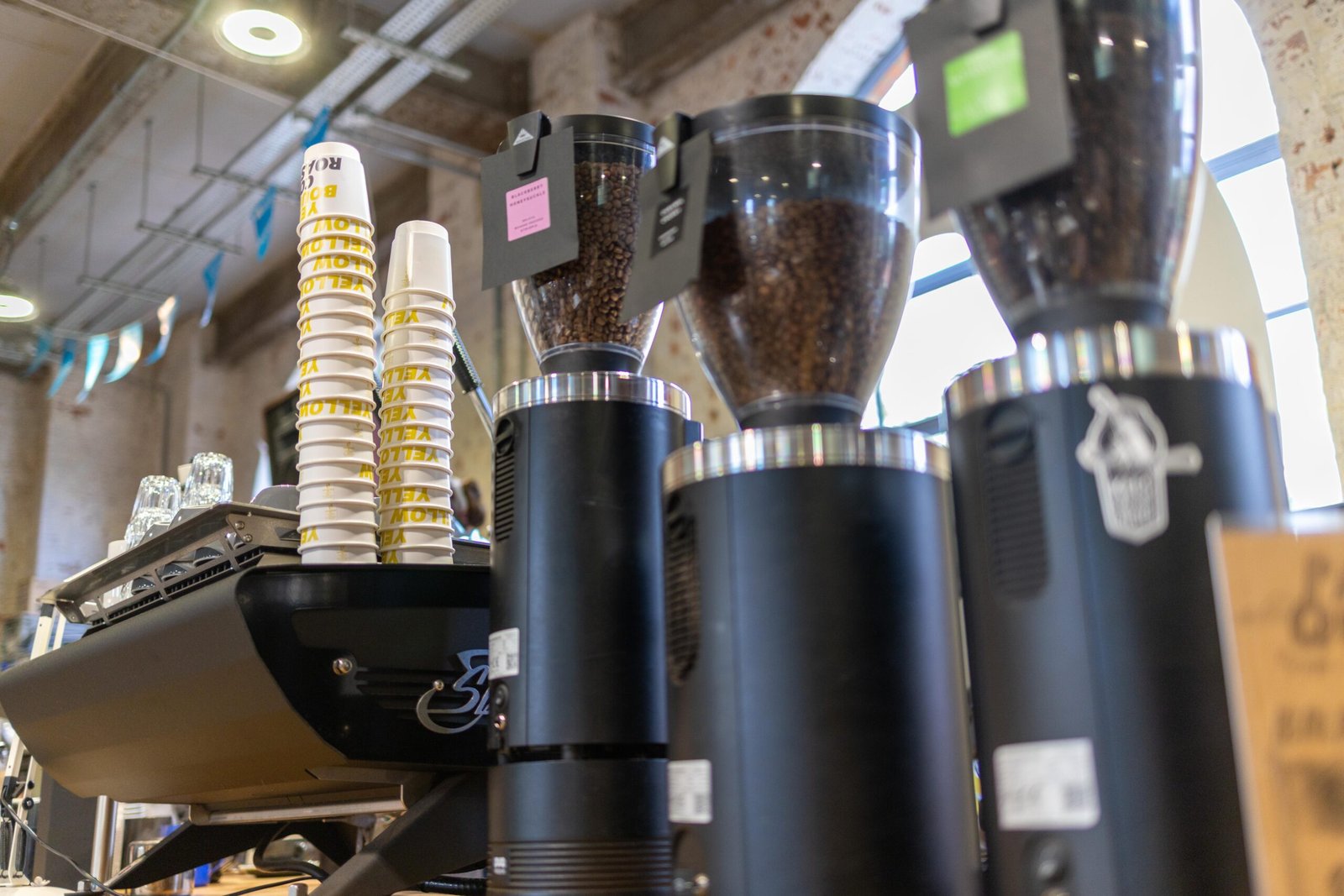
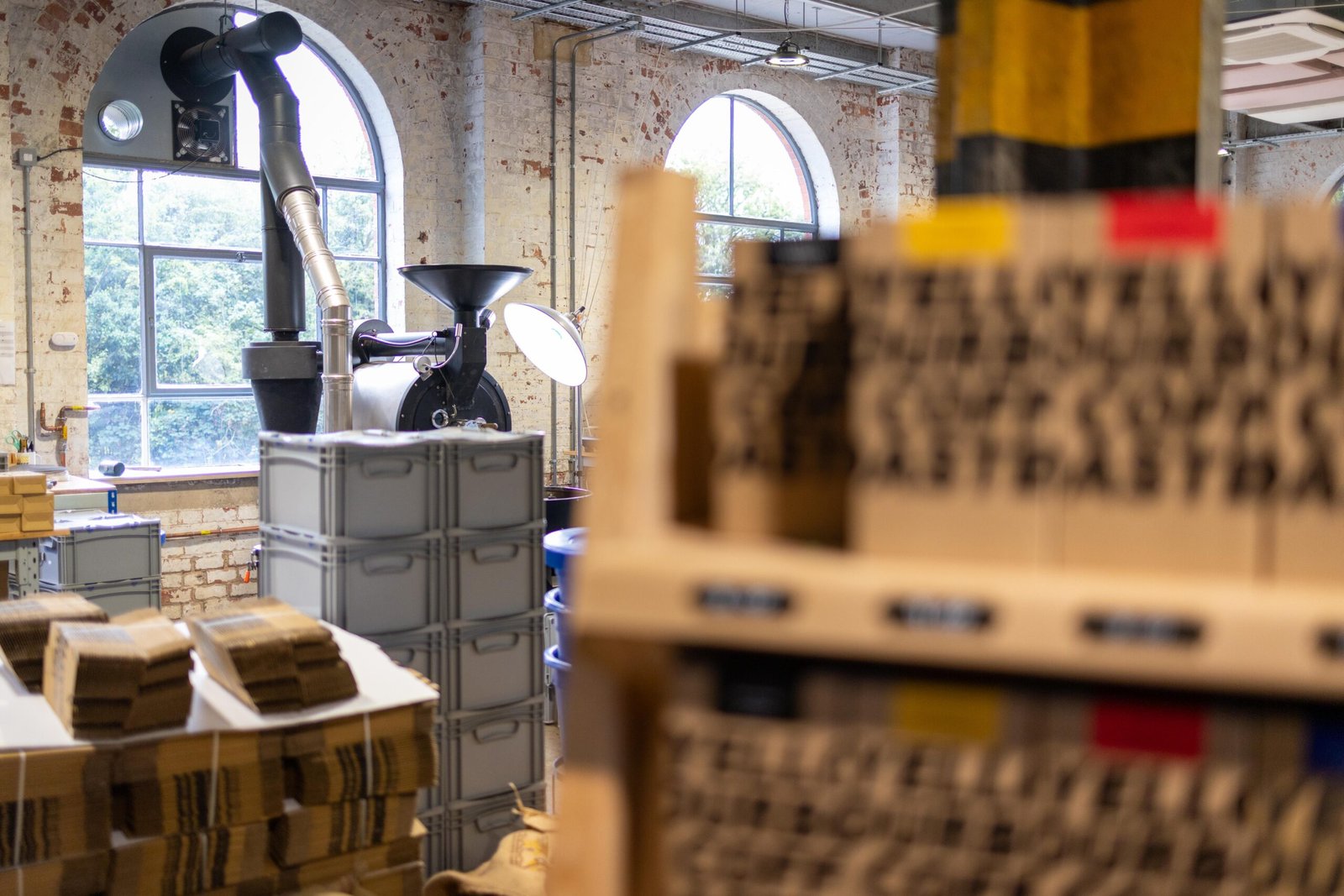
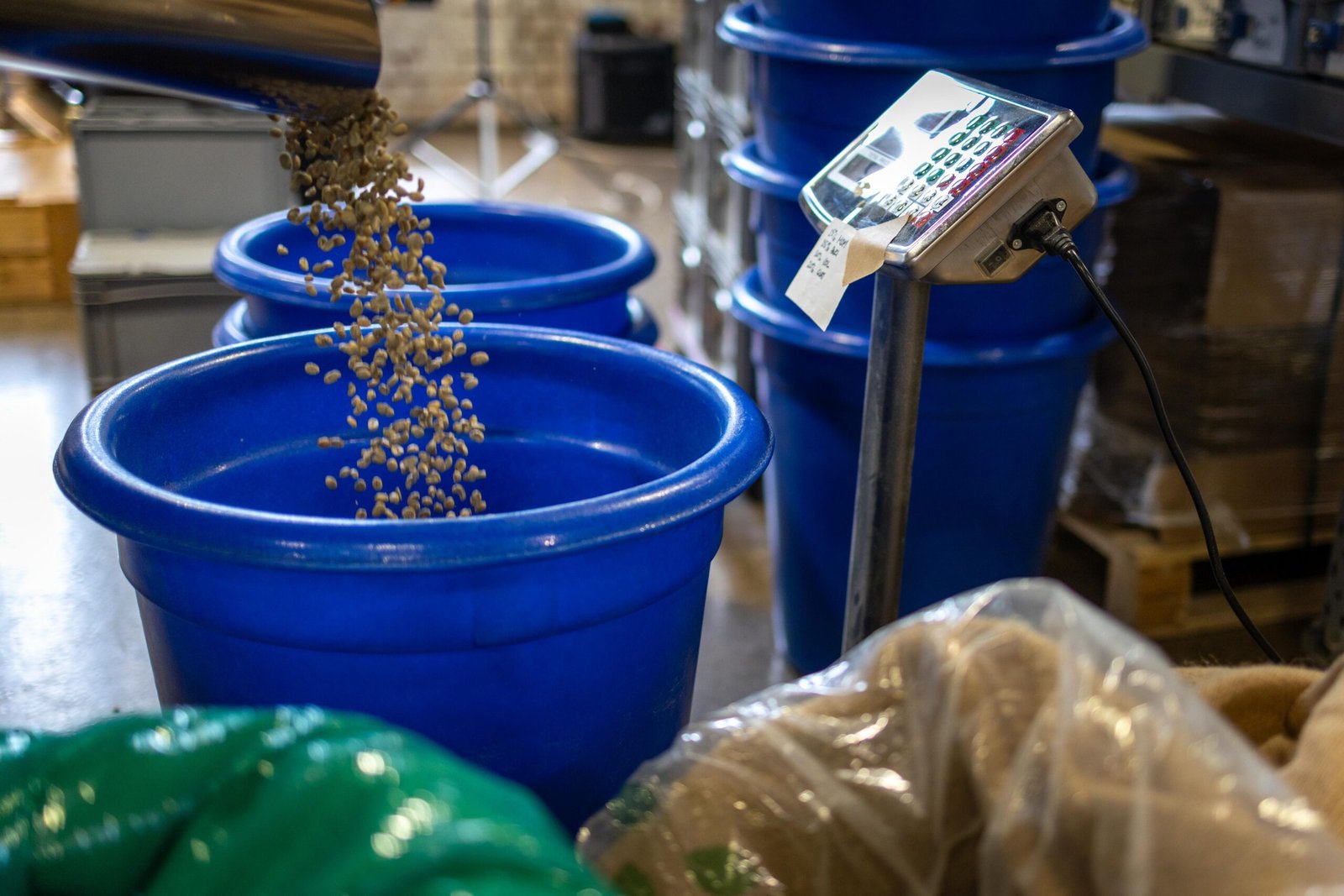
Directly behind us is the roasting area. Bags of green coffee are stacked neatly, machinery hums in the background, and staff move with purpose and routine around it all.
What’s in the Cup
Yellow Bourbon takes its name from the varietal Steve first fell for while roasting at Monmouth: a pulped natural Brazilian coffee that formed half of the company’s espresso blend.
“It’s not like a super outstanding coffee,” he said. “It’s a crowd pleaser. Mellow, smooth, rich, sweet, something you could drink every single day.”
Naming an entire roastery after a single varietal carries some risk. One poor harvest forced Steve to scramble for alternatives after an entire container arrived mouldy. But consistency, he said, is non-negotiable.
“It’s the name over the door, so to speak.”
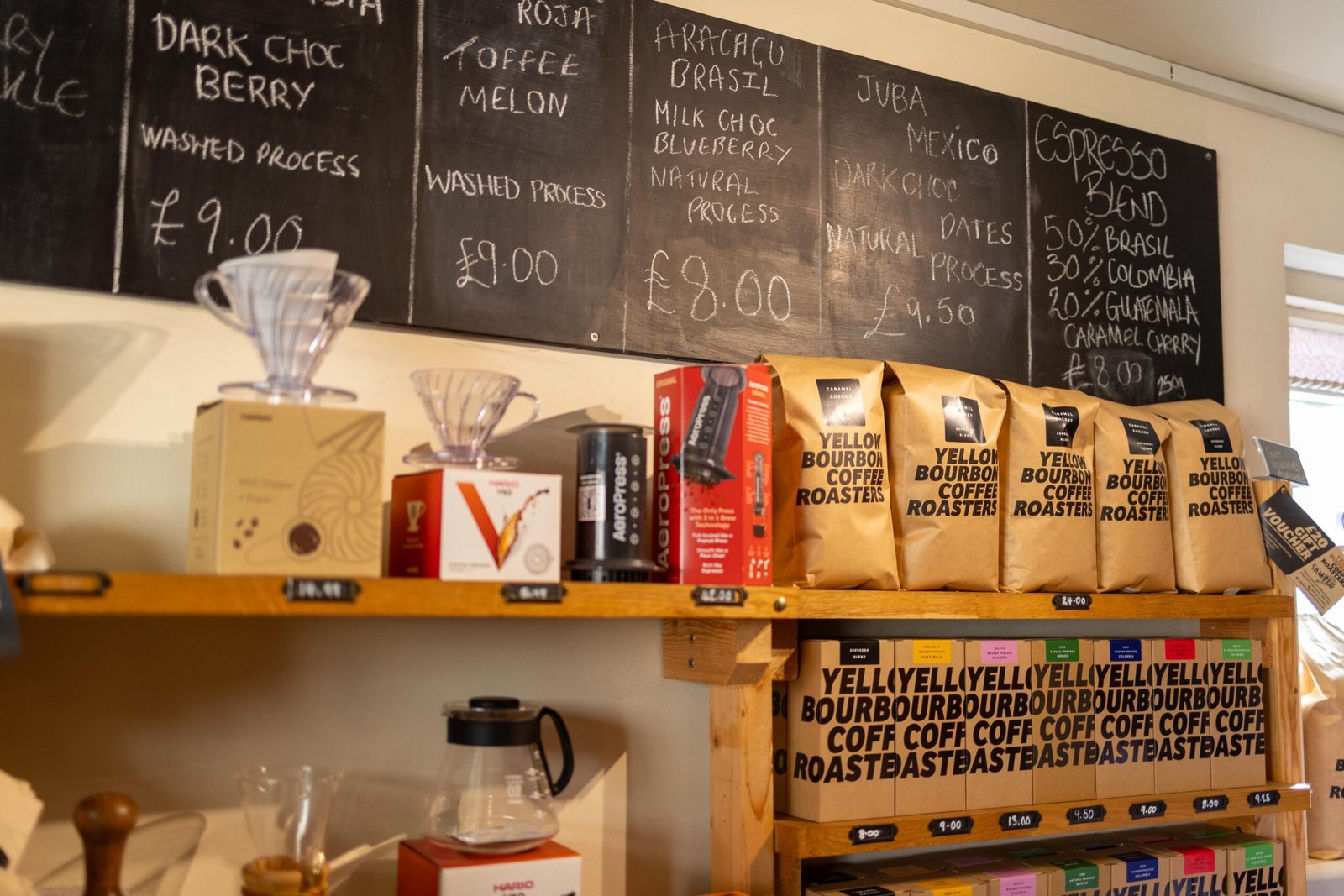
The current espresso blend combines 50 per cent pulped natural Brazilian Yellow Bourbon with 25 to 30 per cent Colombian coffee for chocolate richness and berry fruit. The final 20 per cent comes from washed Guatemalan Peña Roja, bringing a clean, bright finish. Customers have even given the blend their own nickname: “Caramel Cherry”, lifted directly from the tasting notes. Steve, characteristically, avoids fanciful branding.
That restraint can be traced back to his time driving the Monmouth van around London in 2008 and 2009, when the specialty coffee scene was rapidly embracing increasingly experimental, attention-grabbing flavour profiles.
“I realised people just want a nice coffee,” he said. “They don’t necessarily want something that jumps out and tries to be clever.”
Choosing a blend rather than a single-origin espresso also helps protect long-term consistency for both café customers and wholesale partners. No single component can dramatically alter the cup profile overnight.
“I wish I could have a blend from 2017 and try it now,” Steve said. “I think it’d actually still be pretty consistent with what we did back then.”
Staying True to Origin
Steve’s buying philosophy also puts him at odds with the current wave of heavily processed coffees designed to produce intensely artificial flavours.
“Everything just smelt like Shake ‘n’ Vac,” he said, recalling a recent coffee festival. “It tasted like getting back to the old days of spraying syrups on coffee after roasting.”
For Steve, origin still matters. He wants a Colombian coffee to taste recognisably Colombian: dark chocolate, berry fruit and balanced acidity, rather than flavours so heavily manipulated that they obscure where the coffee came from in the first place.
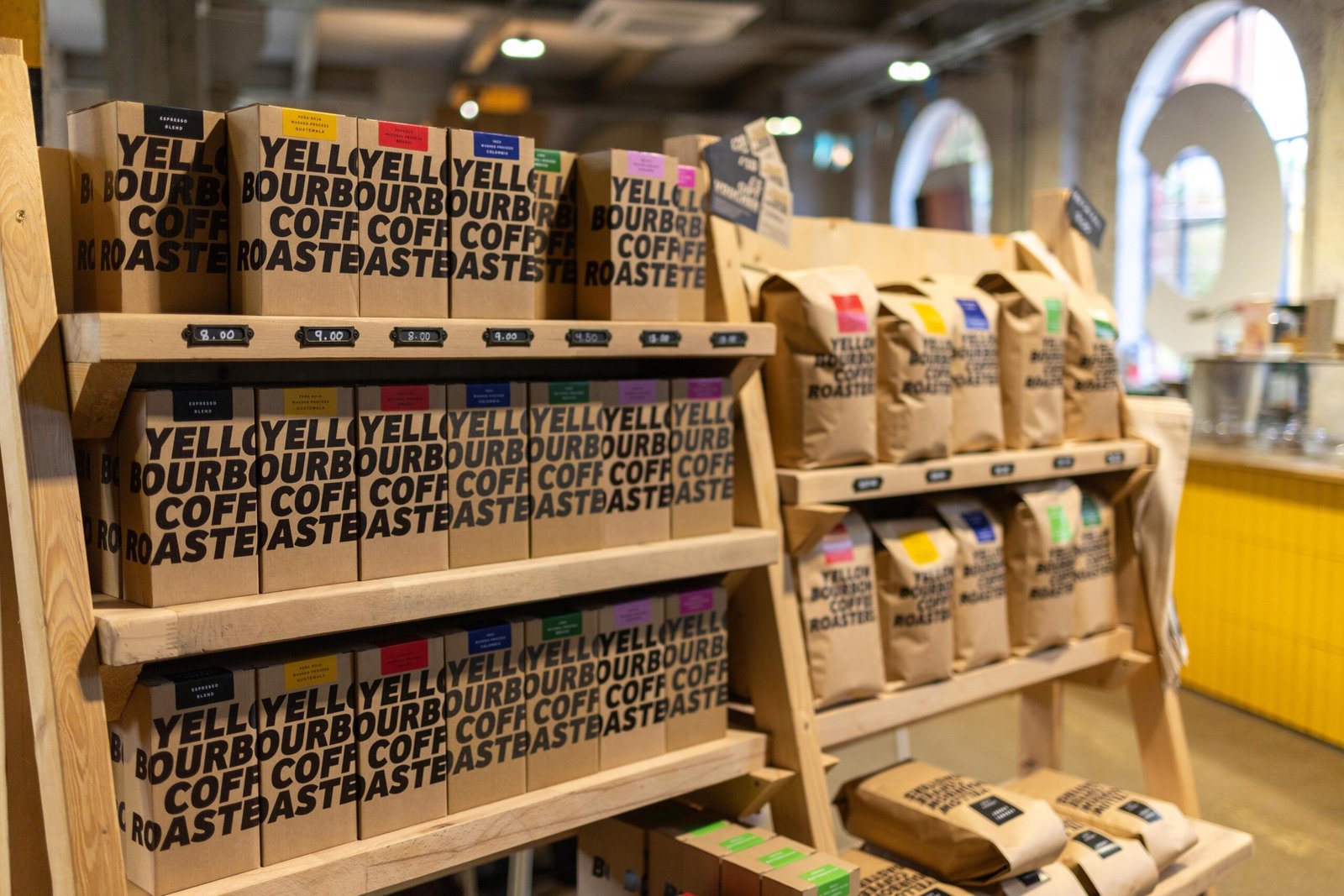
Price is part of that logic too. While specialty coffee continues to push into ever more premium territory, Steve works to keep retail bags at around £15 or less for 250g. Coffee, he believes, should remain an everyday luxury rather than an exclusive indulgence.
Learning to Taste
Every morning, the entire team, not just the roasting staff, gathers to taste the previous day’s production, a ritual carried directly from Steve’s years at Monmouth.
For him, tasting is both the most important and the most difficult skill in coffee. “It’s a practice skill,” he said. “You do lose it if you don’t taste coffee for a while.”
Unlike roasting profiles or production schedules, sensory evaluation cannot be learned from a manual. Knowing when a coffee destined for espresso needs a little more development than one intended for filter, or spotting the first signs of a phenolic defect before it becomes a larger problem, comes only through repetition and experience.
The daily cupping sessions ensure everyone develops that shared sensory language. It also helps maintain the consistency that sits at the heart of Yellow Bourbon’s approach, allowing even subtle changes in flavour or roast development to be identified before they reach customers.
For Steve, there is no shortcut. The only way to become a better taster is to keep tasting.
Pulling Back From Wholesale
Wholesale once seemed the most efficient route: large invoices for comparatively little labour. In the early days, Yellow Bourbon bundled equipment support and staff training into every wholesale account. But Steve eventually realised he had become “an intrinsic part of somebody else’s business” without having any real control over it, fielding emergency repair calls on Saturday mornings with his own children in tow.
Today, the shop no longer sells equipment directly. Instead, an independent machine technician, who is not a roaster himself, manages that side of the operation.
Wholesale now accounts for around 20 per cent of the business, down from an even split before the second site opened. The reduction is deliberate. Steve keeps the wholesale arm small enough that, if it disappeared altogether, neither shop would be put at risk.
What Comes Next
Asked where Yellow Bourbon will be in five years’ time, Steve does not hesitate. “I’m perfectly happy with the two.”
He knows there is potential to expand further, but growth for its own sake holds little appeal. “I’m not after any more money. I want to be able to say I’m at a Test match on a Thursday afternoon if I want to.”
Opening the second site nearly broke him and his senior team, he says, only half-joking. The shop runs smoothly now, and that hard-won stability is not something he is eager to gamble with. Whatever comes next, he suggests, belongs to someone else’s ambition rather than his own.
For Steve, success is no longer measured by the number of locations on a balance sheet. It is the freedom to enjoy what he has built without becoming consumed by it.
Yellow Bourbon Coffee Roasters | Bldg 17, The Old Depot, Bridge Street, Northampton NN7 4PS | 09:30 – 4pm Tues-Sun | Motorcycle parking: free just outside | Instagram: @yellow_bourbon